
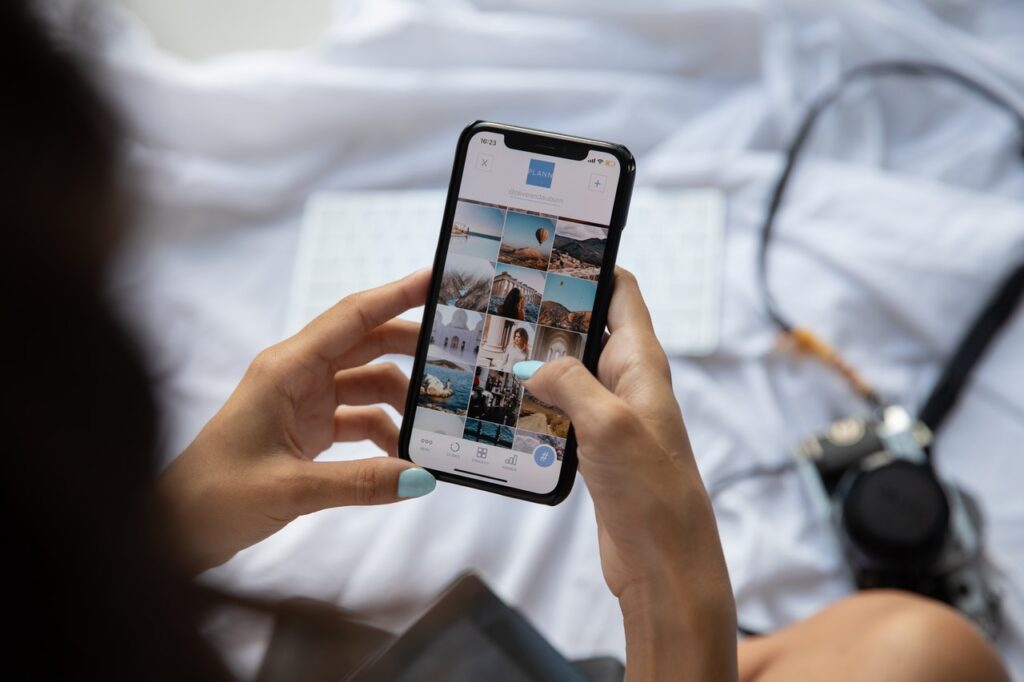
Social media influencers have transformed advertising by creating authentic and relatable content that shapes consumers’ trust and encourages consumer purchases. Advertising used to be all about the advertisements you’d watch on television or the ads you watch that featured your favourite artist or celebrity. Traditional advertising is still present, but it’s no longer the primary way we are influenced anymore, and this is because of social media. The rise of young people becoming influencers, alongside the combination of brand partnerships, has gained consumers’ trust and created more of a stronger connection with the audience than traditional advertising has. There are limitations of saturation, sponsorship disclosure, and more, which can alter the effectiveness of this type of marketing; however, even with these, it’s still managed to take over the marketing world and how we promote brands today.
The Rise of Influencers
Influencers have been around since the early 2000s, when the rise of social media started to grow significantly. Influencers are individuals online who influence others and have an impact on the audience’s decisions and thoughts. Influencer marketing is defined as “a form of social media marketing involving endorsements and product placements from influencers, people and organisations” (Gordan Glenister, 2021).
Influencers have become the new advertising, but in a more genuine way. Across their platforms, they promote their lifestyles and style, which a lot of younger audiences look up to. Brands see their values that align with their own and reach out to them to promote their products. Often, it is influencers who currently use the product or have previously recommended it without a paid partnership. Partnering with them allows us to promote a brand that they genuinely love, and the audience already knows that. “52% of Australians aged 18 and 29 are more likely to purchase a product promoted by an influencer (Jane Fazackarley, 2025)—this amount If huge and reflects the effectiveness of influencers gaining conversions for brands. The rise of influencers is rapid, and everyone is trying to become one.
Traditional Methods of Advertising
This new strategy has gotten to the point where it has the potential to completely take over traditional methods. It’s personally difficult to determine. What happened to everyone’s core entertainment being watching The Bachelor on live television with ad breaks every 15 minutes? It’s now just let’s watch YouTube, or I’m going to scroll through TikTok. It’s like our entertainment has completely swerved, and our attention spans have just gone away. There are still the age groups of people over the age of 70, who still watch traditional television channels and still sit through advertisements, but aren’t gaining as many purchases or conversions as they used to. As influencers are rising and creating creative content that Gen Z audiences love, it’s swaying them to gain their entertainment through these short clips rather than watching a whole television show through traditional TV channels like Channel 7, 9 or 10.
Not only does it reach their targets, but it also provides them with a cost-effective outcome. Back in the day, ongoing, streaming television ads or radio ads were not cheap and still aren’t. Now we have social media, which is pretty much free! Unless you do paid ads, but even with them, it literally costs your business $20 a day. According to Omer Bernstein 2023, TV advertisements could cost you $5000-$10,000, but this all depends on the time it is shown, which could increase it (Omar Bernstein, 2023). It’s also determined from other factors, such as the ad length or whether it’s live or recorded (Omer Bernstein 2023). This doesn’t even include the cost to make the actual advertisement! Production cost could range (ranges due to different factors) from $2000-$100,000 (Yesmarketing, 2025). More people using social media and it being much more affordable, it makes sense for businesses to go that way. When it comes to the cost of influencers, it can vary depending on whether you’re picking a macro, micro or nano influencer. Macro influencers typically have at least 500,000 followers, micro influencers have at least 100,000 and nano influencers have around 10,000 (Boyaci, 2023). Nano ones are more affordable and can target a smaller target segment, which for brands could be a lot more strategic. However, a lot of bigger brands tend to go for micro so that they can target a wider range of audiences. The prices for each category vary as well. Joe Hitchcock states that for TikTok influencers, nano influencers could cost between $5-$25 per post, micro influencers could cost between $25-$125, and lastly macro influencers could cost between $1,250-$2500 per post (Hitchcock, 2025). If we are comparing this to the thousands of dollars spent on traditional advertising, realistically, what are brands going to choose? Obviously, the most cost-effective one!
A lot of traditional advertising would use big celebrities to be able to influence audiences. Before influencers were major, that’s how people were convinced to buy a product. However, audiences would always be unsure whether celebrities used and genuinely recommended the product or whether they were just doing it for the money. Celebrities often do advertising purely for the money, as they are offered numerous products to sell. However, they don’t really care about the product itself, just the monetary figure. Whereas influencers are doing products and services that they actually would use and work with brands that they genuinely use in everyday life.
Why do consumers trust it?
Now, why do consumers trust these random people? We don’t know them personally. It’s all to do with relatability. Often, especially on TikTok, you see them using the products in real-time situations, rather than in a curated setting, as seen in television advertisements. This relationship is defined as a parasocial relationship. “Parasocial relationships are nonreciprocal socio-emotion connections with media figures such as celebrities and influencers” (Hoffner & Bond, 2022). It’s like a one-way relationship; however, with influencers, they can gain responses from viewers through likes, comments and shares. Hoffner & Bond 2022 also stated that “Even though PSRs with traditional celebrities and with SMI develop along similar trajectories, platform affordances, as well as the particularities of SMI’s generated content, bring new elements that affect the development of such relationships” (Hoffner & Bond, 2022). By this, it means that influencers can create deeper connections. They can interact in more personal ways, such as going on live and responding to followers in real time. Some even host meet and greets, for example, Deja Clark, who just released her own collection with clothing brand Supre. She hosted a meet and greet at her launch, where she was able to connect with her fans who supported her online.
The Challenges and Limits
There are many benefits that influencers marketing is bringing to the advertising world; however, it has its challenges and limits, such as overloaded saturation, negative influences, picking the right influencer, and sponsorship disclosure. The number of young individuals trying to become influencers and brands collaborating with them is becoming saturated. It’s come to the point where everyone could consider themselves influencers. It’s also becoming saturated in the way influencers are continually only posting ads for brand partnerships and not breaking it up with their own content. “Excessive advertising of a brand among the published posts of an influencer can cause the brand to face the threat of reducing the impact of the message on the audience” (Alipour et al., 2024). After seeing influencers’ posts, followers start to feel their being unauthentic and only doing it for the paid sponsorship. They become unsure about whether they like the product they are recommending. This leads to sponsorship disclosure. Two things that all viewers seek from their influencers are full transparency and authenticity. Influencers need to inform their audience that what they are recommending is an ad or a sponsorship. If not, they may lose trust from their followers, but for brands, it won’t contribute to their marketing campaign. If you’re being genuine in what their recommending, followers don’t mind it being a paid partnership.
Social media consists of millions of users, particularly in the younger age group bracket of 8-12 years old. “80% of Australian children aged 8-12 used one or more social media services in 2024” (eSafety Commissioner, 2025). There are a lot of things that are advertised that aren’t recommended for this age group, which, with these children on the app, can have major negative influences. One case study I remember that went viral is the “Sephora kids”. “Gen Alpha are busy buying products containing ingredients such as retinol, harsh exfoliating acids or pricey moisturisers, toners and serums designed to minimise the effects of aging” (Taylor, 2024). Why are these children suddenly interested in it? It’s influencers. Young audiences think they have connections with these influencers; hence, they try to be like them, have a lifestyle like them and use the things they do. Brands know it’s how they are going to excel, but is the way they are excelling safe? In Chris May’s hot take on banning social media, he states, “unrealistic expectations placed upon them by Instagram influencers who flaunt perfectly curated (read: fake) snapshots of their lives, and the flood of fake news and AI-generated slop that only serves to further our ignorance of the truth and further divide our fractured society.” (Chris May 2025). This article relates to how it can create unrealistic views on what your lifestyle should be like, which influencers show and are viewed by these younger audiences. It makes children try to act like an 18 or 20-year-old when they are not up to that sort of life yet.
For brands, it’s important to consider when selecting what influencers they want to have a partnership with. Picking the wrong one can lead to a major risk for the brand. It’s important that they select someone who represents the brand’s values and has a genuine presence online that people like. It’s a massive challenge for businesses because picking someone with controversial opinions and values could lead to bad perceptions of their brand and fewer conversions. Loyal purchasers of the brand may feel blindsided and now think their brand values no longer align with their own. They also need to consider how they engage with their audiences and whether the brand’s product fits into the influencer’s content that they already post without changing it up.
Conclusion
In conclusion, the influence of influencers on the world has transformed advertising completely through their relatable and authentic lifestyle content. Even with its challenges and limits of saturation, youth exposure and careful selection, it’s still becoming the most effective marketing strategy that brands are now hopping onto. Through a parasocial relationship, it connects viewers with their favourite influencers in a way where they feel as if they personally know them. Through this trust is formed, hence why individuals are influenced to purchase products that they recommend. Will it completely wipe out traditional advertising? Personally, I don’t think so; there are still other target markets that will be reached through it; however, it will keep increasing and potentially become the go-to strategy for new and upcoming brands.
 Jessie Goates
  LeighCor
  Elizabeth Harris