
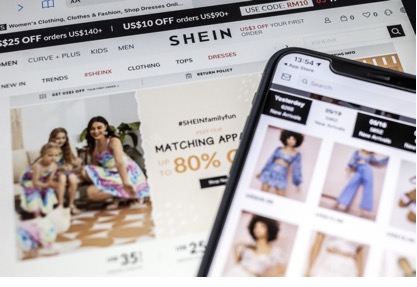
You’re scrolling through your phone late at night when a new dress appears on your screen. It costs less than dinner, it’s out for next-day delivery, and it looks just like the ones you’ve been seeing everyone wear on TikTok and Instagram. Click! And it’s on its way. By the weekend, it may be hanging in your wardrobe—or already pushed aside as something new catches your attention. This is the dangerous pull of fast fashion speed, low prices, and constant trend updates that turn clothing into something easily disposable. Fast fashion makes style easier to access, but it also reshapes how consumers think about shopping in ways that undermine sustainability. This is where it gets tricky. At the same time, fast fashion has a social good too, because it gives everyone an option even when they can’t afford luxury, or at least more cheap and ethical clothing. The tension here, it’s obvious that a model for sustainability won’t work where affordability is concerned, and equally that affordability cannot be strained to apply to a system that’s based on throwing out. TikTok, which has more than 1 billion monthly active users, often shows “shopping” and trendy videos, while platforms such as SHEIN and Temu provide large Trendy clothing, usually with a volume price between US$5 and US$30 per piece, attracts hundreds of millions of consumers. Together, these platforms show how scale, algorithm push and pro-people price points make fast fashion the main mode of contemporary clothing consumption.
How Fast Fashion Turned Clothes into Disposables
This sort of casual shopping trip is no accident: it is the core of the fast fashion business model, creating a frictionless system in which clothes are disposable rather than durable. Speed is not just about convenience for consumers. It is also a well-planned means designed to make consumers buy more frequently and make clothes go out of style more quickly. Fast fashion depends on fast production and low prices, which has greatly changed the way consumers view the value of clothing. The low prices of fast fashion products and the rapid succession of trends accelerate the replacement rate of clothing. Rather than promoting long-term use, this encourages frequent purchases and a disposability.
Low prices have changed consumers’ values of clothing. When the price of a shirt can be as low as around US$10 – less than a movie ticket, consumers may choose to throw it away instead of patching it up or wearing it again. If you also add fast delivery and nonstop online deals, shopping becomes even easier. As a result, buying clothes begins to feel less like a conscious decision and more like a habit, because new trends keep emerging on the screen.
This effect is reinforced by the speed at which fast fashion brands operate. Large retailers like Zara launch new series almost every week, up to 24 series a year. Because there are always “new products”, consumers may feel that items bought only a few weeks ago are already out of date. This change also shows up in data: global clothing production has roughly doubled since 2000, while the garment is worn has decreased by 36% . So, the production speed of clothes far exceeds the speed that people can use.
From Microtrends to Mountains of Waste
But the problem is not only how often consumers buy clothes, but also how quickly they throw them away. Fast fashion is not only about making clothes feel disposable. It also needs short use periods to keep sales high and to keep trends changing fast, frequent purchasing and regular disposal to sustain sales volumes and fast-changing trends.
Trends now move so quickly that garments can feel outdated within weeks. Microtrends— certain colours, shapes, or styles, become popular and then disappear very quickly. When trends change faster than clothes wear out, clothes lose their value in people’s eyes long before they stop working. In this situation, waste becomes almost inevitable.
The results of these short use periods are now easy to see. Charity bins and donation centres are full of fast fashion clothes that are too low in quality to sell again or recycle. Many items are made with mixed synthetic fibres, so they are hard or even impossible to recycle. Therefore, the clothes that were originally “donated” may eventually be landfilled.
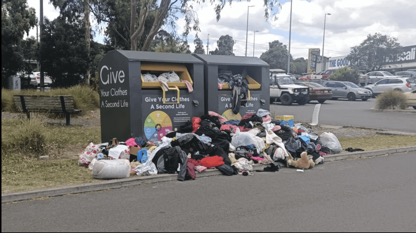
Consumers in the UK and the US dispose of around 30kg of textile waste annually. Between 1999 and 2009, landfilled textile waste in the USA increased by 40%. These figures show that daily fashion habits driven by a short trend cycle may cause long-term harm to the environment. In Asia, the scale of textile waste highlights similar pressures: China alone produces about 26 million tons of textile waste every year, most of which are eventually landfilled. According to statistics from the Singapore government, the city-state produced 254,000 tons of textile and leather waste in 2022, but only about 2% was recycled.
Why Fast Fashion Still Matters to Many Consumers
Though there are many consumers critical of fast fashion, there are still some defenders of it. Some researchers claim that fast fashion makes fashion more accessible, particularly to consumers who cannot afford expensive products. Fast fashion allows lower income consumers to participate in fashion culture with readily available, trend-conscious clothing, enabling them to engage with contemporary styles rather than be excluded from dominant fashion narratives. For many consumers clothing is not purely a visual thing. It also relates to conforming to be integrated into the group, comply with work regulations, and reveal identity. It can directly affect the way we are seen at work, school and socially. Ethical or sustainable fashion brands have great agendas, but they cost more. This means that a lot of consumers cannot buy them, especially consumers who are already financially pressured.
A US$120 ethically produced dress could be a benefit to the environment but a student with rent, transportation costs and food expenses may not have the funds available to purchase this dress.
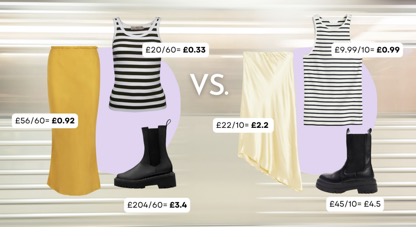
In these cases, fast fashion has become a practical choice to meet immediate needs. It can help consumers prepare for job interviews, participate in formal activities, or just prepare clothes for daily life. Low-income families typically allocate only 2% to 3% of their income to clothing purchases. For this reason, the low price of fast fashion products fills the gap that has not been resolved in the sustainable fashion market.
When Sustainability Becomes a Selling Point
Fast fashion not only sells clothing but also conveys a message about consumption. This message makes constant shopping feel normal. In recent years, many fast fashion brands have begun to use words related to “sustainability”. They launch a series of “conscious”, “environmentally friendly” or “responsible” products. This will make consumers think that they can maintain the same purchasing speed without feeling guilty.
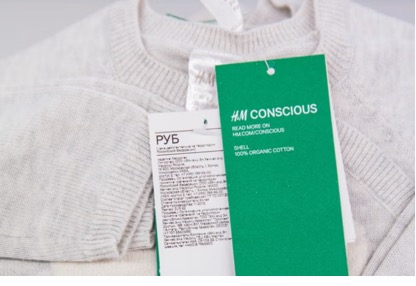
H&M’s Conscious Choice line is a clear example. The brand says these items use more sustainable materials, so they look like a better option for consumers who care about the environment. But some lawsuits and investigations have accused these efforts of greenwashing. This means that the use of “green” language does not solve larger problems, such as overproduction, textile waste and poor working conditions.
This kind of messaging has real consequences. When sustainable development is described to meet demand and continue to consume in large quantities, the responsibility will gradually shift from the brand to the individual. Consumers may feel that it is enough to choose a “better” fast fashion clothing. Then they may not question how many clothes they have bought, how often they change clothes, or where those clothes that are no longer needed have gone. The recycling box in the store also fueled this statement. When consumers throw old clothes into the recycling bin, they may feel that the problem has been solved. Only a small proportion of collected clothing is recycled into new textiles.
Environmental data shows the limitations of these “feel-good” measures. The fashion industry accounts for about 4% to 10% of global greenhouse gas emissions, so it is one of the largest sources of pollution in the world. Synthetic fibres such as polyester are used in about 60% of clothing. They are derived from fossil fuels and take up to 200 years to decompose. These hazards cannot be solved by small material changes or “green” labelling. They originate from a system that aims to produce more clothing than people’s actual ability to use, reuse, or process them responsibly.
At the same time, it is too simple to call fast fashion only an environmental bad guy. The biggest problem is its two-sided impact. It harms the environment because it produces too much and creates too much waste, but it also gives cheap clothing to millions of people. For many consumers, fast fashion is not a problem of buying too much or chasing the trend. It is related to meeting basic social and economic needs. Clothing affects people’s image at work, the way they integrate into the group, and the way they show themselves. When the price of ethical or sustainable fashion products is far beyond what most people can afford, fast fashion fills the gap that has not been solved in the market. In fact, less than 1% of used clothing is recycled into new garments, while around 73% is either landfilled or incinerated. Many items are sent overseas or end up in landfill because quality is low, fibres are mixed, or recycling systems are not strong enough.
Environmental data shows the limitations of these “feel-good” measures. The fashion industry accounts for about 8–10% of global greenhouse gas emissions, so it is one of the largest sources of pollution in the world. Synthetic fibres such as polyester are used in about 60% of clothing, they are derived from fossil fuels and take up to 200 years to decompose. These hazards cannot be solved by small material changes or “green” labelling. They originate from a system that aims to produce more clothing than consumers’ actual ability to use, reuse, or process them responsibly.
At the same time, it is too simple to call fast fashion only an environmental bad guy. The biggest problem is its two-sided impact. It harms the environment because it produces too much and creates too much waste, but it also gives cheap clothing to millions of consumers. For many consumers, fast fashion is not a problem of buying too much or chasing the trend. It is related to meeting basic social and economic needs. Clothing affects consumers’s image at work, the way they integrate into the group, and the way they show themselves. When the price of ethical or sustainable fashion products is far beyond what most consumers can afford, fast fashion fills the gap that has not been solved in the market.
Any realistic journey to sustainability must take social equity into consideration. The “buy less”, “buy better” call fails to recognise that not everyone has the same financial pliability, and in pushing sustainability as an individual moral responsibility it pushes away consumers under money pressure. It becomes a sustainability talk that ignores access and builds exclusion instead of change.
It’s for this reason that simply changing consumer behaviour is not going to change things fast enough. Consumers can try and make better decisions, but the real damage lies in the system itself, with how much brands produce, how supply chains run, and business models that prise speed and scale. To suggest that consumers can fix this if only they bought less, is to shunt the responsibility onto individuals, allowing brands to continue largely unchanged.
Some purchasing methods show more balance. Second-hand platforms like Depop and Facebook Marketplace show that low cost and sustainability can coexist. They help the clothes to be more durable, thus producing less waste and decreasing the need for high upfront costs. They also reduce an over-focus on always purchasing new. They force consumers to reuse. They make consumers see there is value in existing clothes, not only in the lastest silhouette. In Singapore, platforms like Carousell are often used to resell office clothes, event dresses, and well-known brands that are no longer worn. Students and young professionals usually regard second-hand transactions as part of normal shopping behaviour, especially in tight budget cases. Weekend flea markets and campus exchange activities further promote the reuse of items, because they allow clothes to circulate locally without being discarded.
However, purchasing items from thrift shops does not offer a full answer to the challenge. The production of billions of garments annually is an excessive amount for second-hand retailers to keep up with over time. If we don’t solve the fundamental problems – excessive production, poor quality of clothing, and too fast trends – the growth rate of fast fashion will still exceed the level that any best consumer efforts can achieve. Sustainability cannot be used as a “post-remedial” measure to deal with the damage already caused. It must play a role earlier throughout the system.
A better direction requires a new way of thinking about the creation of fashion value. Brands should slow down production, make clothing more durable, and make the supply chain more open and clearer. This would move responsibility back to brands, where it should be. At the same time, Sustainable fashion brands such as Patabonya-focussing on the production of durable and ethical clothing and Fordis-using a closed-loop recycling system show that environmentally friendly fashion can be popularised. The online catalogue also lists more affordable ethical brands, such as Ormens and Body, whose price range is closer to the budget of ordinary consumers, indicates that sustainability and cost competitiveness can coexist.
Fast fashion can’t be boiled down to a single explanation. Environmental and social access are intimately intertwined – and to criticise the system appropriately, we must consider both. If our sustainability plans don’t take into account access, we risk shutting many consumers out, but if we focus exclusively on low prices and ignore responsibility, the system will continue to wreak havoc on our communities and nature. Sustainability will remain a marketing promise rather than a lived reality.
Conclusion
Fast fashion has changed how clothing is made, bought, and shown. Fast the production process and cheap the price makes the fashion item easier to fetch. Now clothing is produced more quickly than it can be used up, and the fashion change faster than it becomes important. The gap could be hiding the environmental and social costs of what we select and buy every day.
A sustainable future for fashion cannot be constructed out of green slogans, recycling boxes or consumer guilt. Real change requires a slower production speed, longer-lasting clothing and more responsibility from brands and the systems they create. And at the same time, we must also realise that price and availability are important. Fashion does not need to achieve inclusiveness at the expense of one-time use. Unless the industry faces this conflict, sustainability will only be supported by fast fashion, not actually realised.
 TianYuran
  Lu Yunyan
  Pauleen