
By Liu Haonan #movies# Spider-Man# Movie fan # Superhero # Marvel #youtube#
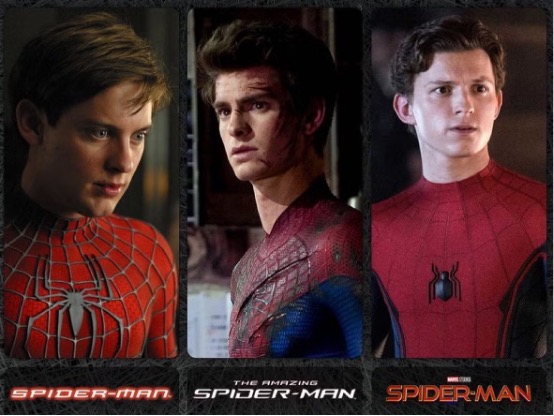
Photo from :www.cosmopolitan.com
If you grew up with Tobey Maguire’s Spider-Man, you already saw the peak. Everything after that is either trying to be sleeker, younger, or more “MCU (Marvel Cinematic Universe) connected,” but it’s building on a foundation Sam Raimi poured in 2002. That first film blew past USD$800m worldwide and literally reset expectations for superhero openings.
“So we’re just… rebooting the same kid from Queens every 5–6 years?”
“Yeah, but this time he has cooler suits and five other Avengers.”
— Me, every time a new Spider-Man trailer drops.
Back then, the story was stupidly clean: bite → power → mistake → Uncle Ben → responsibility.


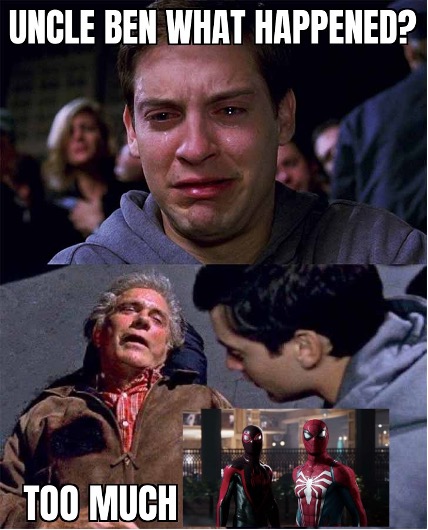
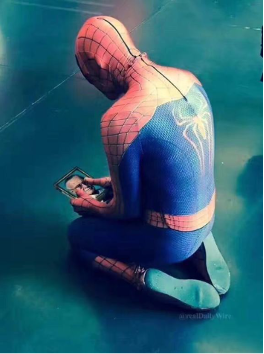
Images ⬆️:The emotional transformation of Spider-Man
bite → power → mistake → Uncle Ben → responsibility
In terms of emotions, the first version of Spider-Man had a scenewhere Tobey played the villain in an emotional aspect. And switching a superhero between the positive and negative characters is a story that very well reflects the growth of a hero. He cannot have emotions, a family, etc., which can make the audience feel even more admiration.
No multiverse homework, no “call Happy for a jet,” no cross-studio agreement footnotes. That’s why it hits harder. Raimi’s films make Peter suffer in small, human ways — rent, MJ, Harry, Aunt May — while still giving us operatic villains like Green Goblin and Doc Ock who are tied to Peter’s real life. That balance is why the 2002–2007 trilogy still feels like the definitive cinematic origin.

Andrew Garfield’s The Amazing Spider-Man tried to modernise it with moodier romance and a lankier Peter, and it actually made a very healthy USD$757m. But it could never escape the question “why are we telling this again?” — audiences had just watched the Raimi version.
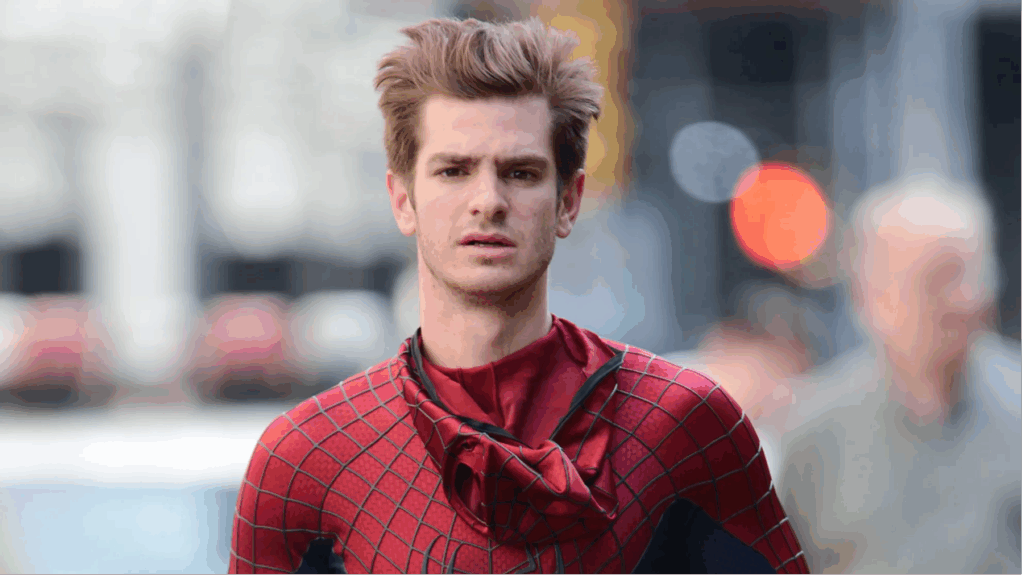
Photo from : SARA DELGADO
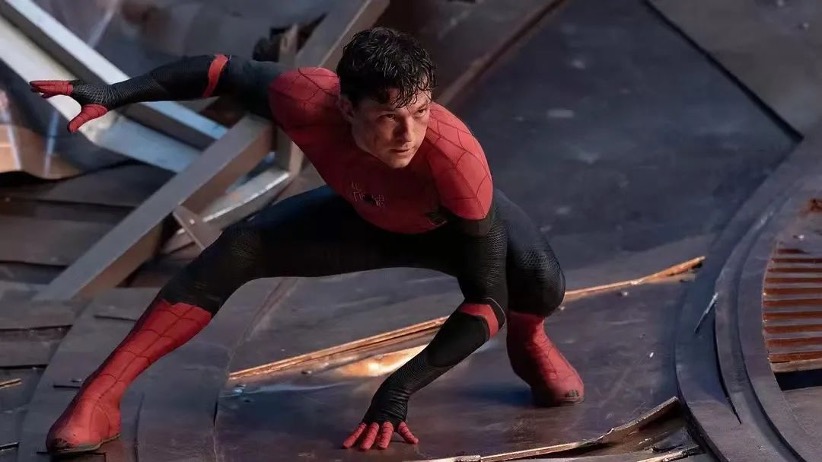
Tom Holland’s run is obviously the most commercially powerful — No Way Home
nearly hit USD$1.92b and topped 2021’s global box office, helped by the nostalgia bomb of three Spider-Men in one shot. And yes, the MCU era is fun: younger cast, Stark tech, TikTok energy, better suits, and the 2015 Sony–Marvel deal finally let him play with the Avengers. But the cost of all that gloss is that Peter’s pain isn’t the engine anymore — the universe is.
So here’s the line I’m drawing: the Raimi trilogy is Spider-Man as a character study; the MCU Spider-Man is Spider-Man as a platform. One is about a broke New York kid trying to do right; the other is about what IP can do when two studios agree to share a web-slinger.
、
References
Box Office Mojo. (2002). Spider-Man. Box Office Mojo. https://www.boxofficemojo.com/title/tt0145487/
Box Office Mojo. (2022). Spider-Man: No Way Home – Box Office Mojo. Box Office Mojo. https://www.boxofficemojo.com/title/tt10872600/
Mintzer, J. (2012, June 21). The Amazing Spider-Man: Film Review. The Hollywood Reporter. https://www.hollywoodreporter.com/movies/movie-reviews/amazing-spider-man-film-review-340662/
Sony Pictures. (2015). Sony Pictures Entertainment Brings Marvel Studios Into The Amazing World Of Spider-Man | Sony Pictures Entertainment. Www.sonypictures.com. https://www.sonypictures.com/corp/press_releases/2015/02_15/020915_spiderman.html
 Shoujie Wang
  Han Tianyong
  Yinan Zhou