
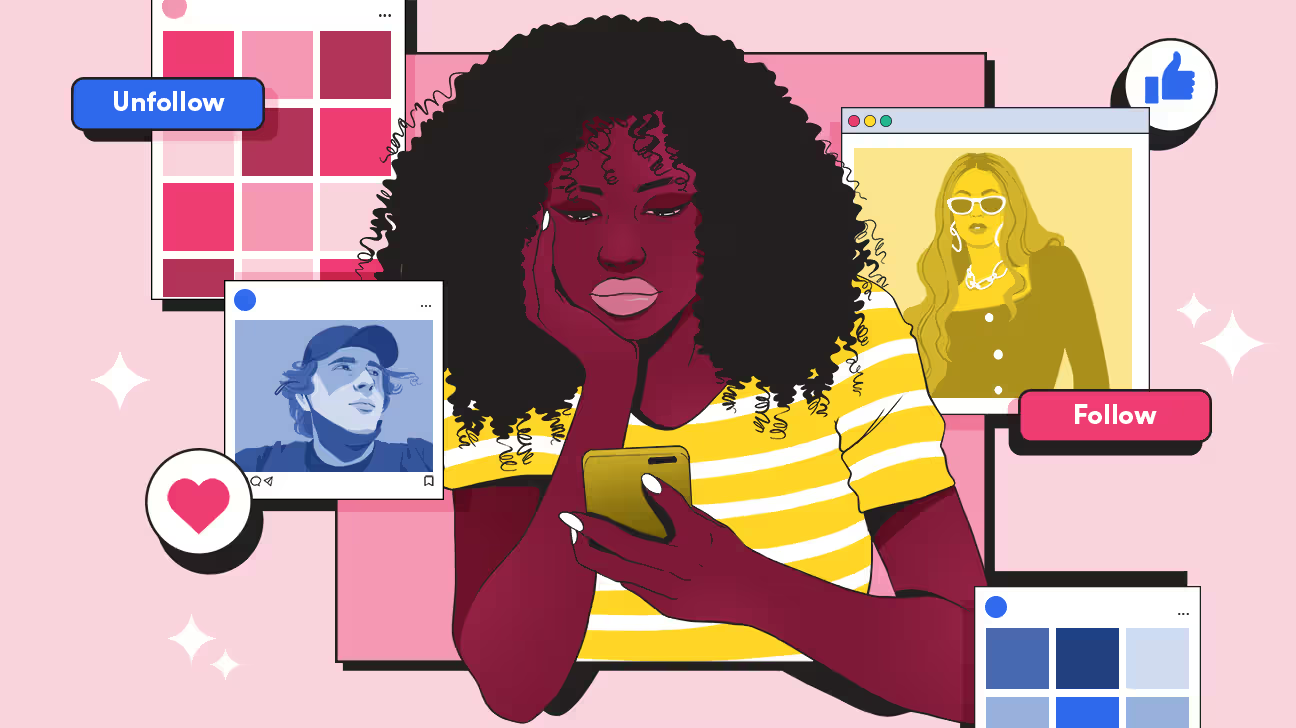
Research Question: How does social media shape parasocial relationships (PR) between celebrities and audiences?
It’s evening, and fans around the world are glued to their screens, watching a live stream from their favourite celebrity. Comments filled with love and support flood in, even when knowing the stars can’t possibly see every message. However, that doesn’t stop the audience from believing they just might see them or feel a sense of connection, as if they’re apart of an exclusive conversation.
Social media has significantly shaped the way audiences connect with celebrities by breaking the barriers that once separated stars from their fans. Unlike in the past, where fans were provided with carefully curated interviews and magazine features of their favourite celebrities, nowadays fans can scroll through social media to see daily Snapchat and Instagram stories, TikTok posts or even join livestreams to see what their favourite celebrities are doing right now.

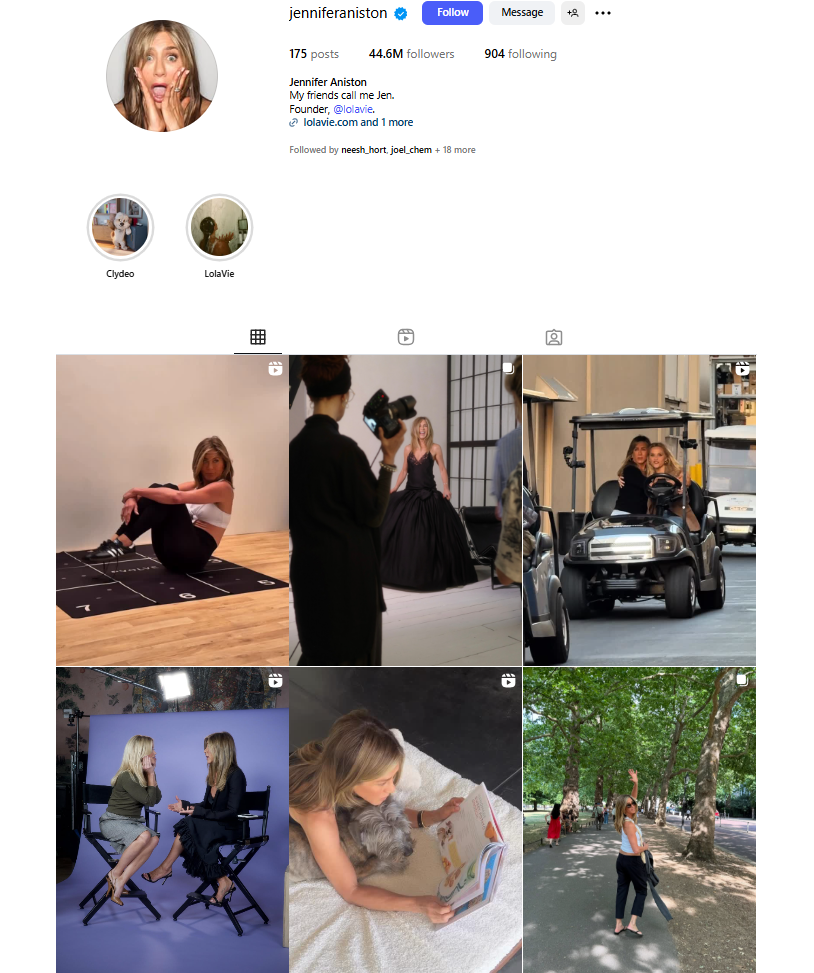
Social media and the daily communication it provides mimic ordinary interactions with peers, creating a sense of direct access to people who, in reality, remain distant figures. The boundary between a fandom and personal relationship has never been thinner. These one-sided bonds between an individual and a media figure is referred to by many as parasocial relationships. Identified in the mid-20th century, parasociality was once seen as relatively harmless. It was considered as a way for audiences to feel connected to charismatic public figures. However, in the current social media era, parasocial relationships have intensified, and evolved. Technology has become more interactive, making it easier than ever to feel close to celebrities, as if you’re ‘hanging out’ with them, but how real is this connection? While platforms and their features encourage fans to ‘interact’ through likes, comments and messages, the intimacy remains one-sided, giving audiences a carefully maintained illusion that celebrities are aware of them and a mutual connection exists.
This is the result of a cultural shift where more than ever before celebrity and fan dynamics are more immediate, emotional and monetised. Social media has amplified parasocial relationships by transforming celebrity fan culture from distant admiration to instant access. While parasocial relationships can bring comfort, community and a sense of belonging, yet behind the likes and heart emojis, there’s a concerning side to this digital closeness; they also carry risks of dependency, blurred boundaries and exploitation of these bonds. Parasocial relationships today are a double-edged sword, they can comfort, inspire and connect us, but they also blur lines we didn’t even know existed.
Have you ever felt like you ‘know’ your favourite celebrity? Like you’ve grown up with them, relate to them in some way or even felt heartbreak when your favourite celebrity couple breaks up? You’re not alone. The term parasocial relationship was first coined in 1956, describing the way television audiences formed seemingly intimate relationships with public media figures like news anchors and talk show hosts. (Horton & Wohl, 1956). Back then, parasocial relationships were limited, viewers admired public figures from afar, without any expectation of reciprocation. For decades, the gap between a star and their audience remained firmly rigid with celebrity culture relying on traditional mass media like magazines and late-night interviews. But the rise of social media has changed everything. Fans are no longer just spectators but are no active participants in the daily lives of public figures. Platforms now offer unique glimpses into celebrities’ personal lives, from behind-the-scenes content to candid videos of their routines.
This curated intimacy generates a sense of closeness that traditional media could never replicate. When a celebrity likes a fan’s comment or mentions a follower’s name during a livestream, it can feel like a personal connection, even though it may be staged a mass audience (Bennet, 2024). Kowert & Daniel, (2021) expand this with the concept of the “one-and-a-half-sided-relationship,” which is particularly relevant in livestreaming platforms like Twitch or TikTok Live. In these spaces, fans may send messages or donations and sometimes receive direct acknowledgement. These exchanges feel reciprocal, but the relationship remains unequal, with the power lying entirely with the celebrity who can ultimately decide whether to respond or ignore (Kowert & Daniel, 2021). Social media’s interactive features are designed to stimulate closeness rather than traditional celebrity culture where interactions were mediated by journalists and publicists. Today parasocial relationships are rooted in a cycle of constant engagement, fueled by fan’s emotional investment. Social media has transformed parasociality from passive admiration into an interactive experience. The endless stream of content across multiple platforms ensures that parasocial relationships never really switch off. They shape how fans see success, beauty and even how they view normalcy. Being able to scroll through a celebrity’s life 24/7 has made these one-sided bonds feel deeper, more emotional and harder to distinguish from real relationships.
Not all parasocial relationships are harmful, indeed for many, they offer a sense of comfort, companionship and even identity. Hoffner & Bond, (2022) found that parasocial relationships can promote psychological wellbeing by offering perceived support and stability. In a time where social ties often feel more digital rather than physical, celebrities can act as consistent figures in fans’ lives by providing comfort through their content. COVID-19 pandemic made this especially visible. As lockdown regulations left many feeling isolated, social media became a virtual space for connection. Many musicians took part in the “One World: Together At Home,” initiative, performing from their homes while encouraging their fans to stay safe and stand united..
These events gave audiences a sense of companionship and solidarity during times of uncertainty. Parasocial bonds create an illusion that celebrities are personally there for their fans, even if interactions are mediated through a screen. Beyond individual comfort parasocial relationships also foster community. Fan groups and hashtags like #BTSArmy or #MarvelFans, create spaces where audiences connect through mutual admiration. These fandoms often provide a sense of belonging and friendship, often extending their connections beyond the celebrity to one another (Hoffner & Bond, 2022). Many fan communities organise charitable events, watch parties or discussion forms, transforming an individual’s parasocial attachment into a collective experience. Celebrities themselves can also act as role models using their platform for social good and encourage positivity. For instance, Emma Chamberlain’s candid discussions and advice surrounding anxiety and daily struggles on both her YouTube channel and Podcast have been credited among her followers as a move that helped normalise mental health conversations amongst her younger audiences.
In this way, parasocial relationships can do more than entertain; they can shape values, guide ethical and social decisions by presenting behaviours seen as aspirational, provide comfort during hardships and help contribute to fans’ identity. The sense of stability fans receive from these relationships can be particularly impactful for those navigating childhood/ young adulthood, periods that are filled with self-discovery and uncertainty.
However, the same intimacy that makes parasocial relationships so appealing can also expose fans to risks. Bennett (2024) warns that over-investment in parasocial relationships can affect mental health, particularly when fans internally create comparisons between their lives and celebrities curated lifestyles. When Instagram feeds constantly showcase luxury vacations, flawless skin and picture-perfect relationships that appear to be ideal through fans’ eyes, it can fuel unrealistic expectations and self-comparison.
In recent years, the dependency fans feel toward their idols has become a growing concern. When fans become emotionally reliant on their favourite celebrities, their moods and self-worth can fluctuate in accordance with the celebrity’s actions. For example, when a celebrity couple breaks up fans often express grief on social media as though they are experiencing a personal loss. As mentioned in the Harper’s Bazaar article “Why Do We Care So Much About Celebrity Break-Ups?” (2022), the viral reaction to Jason Momoa and Lisa Bonet’s divorce announcement where fans had flooded Instagram with intense comments until Momoa deleted the post entirely, demonstrating how emotionally entangled fans have become.
This emotional dependency can also foster toxic behaviours. While admiration can create solidarity, it can also quickly spiral into hostility. ‘Cancel culture’ often emerges from this dynamic when a celebrity fails to live up to the persona fans have idealised. Demonstrating how rapidly parasocial relationships can shift from loyalty to rejection. Over time admiration may encourage fans to invest excessive time, money and emotional energy into maintaining these bonds which can sometimes morph into obsession. What begins as harmless support can evolve into psychological strain or unhealthy dependency, demonstrating how parasocial relationships can blur the line between entertainment and emotional over-investment in ways that can impact fans’ mental health (Bennett, 2024).
The constant exposure to curated celebrity personas can also create unrealistic standards, leading to the anxiety of social comparison, fueling the urge to keep track of celebrities’ every post or story. It’s that familiar feeling of watching an influencer’s day-in-the-life vlog and suddenly thinking like yours doesn’t measure up. These pressures hit harder for younger audiences who are more likely to internalise these online standards and try emulating behaviours after the people they admire the most. As Bennett (2024) notes, the allure of being ‘seen’ by someone famous can become a trap where validation is sought from people who will truly never know you.
Beyond individual experiences, parasocial relationships are deeply woven in the dynamics of social media. Rather than being the accidental result of fandoms, they are actively encouraged and monetised by platforms and industries. The attention economy thrives on engagement and media platforms have massively contributed to the intensity of parasocial relationships (Bennett, 2024). Likes, comments, livestream donations and subscriptions all convert emotional investment into revenue. Bennett (2024) points out that fans’ emotional bonds are often converted into financial investments through influencer partnerships, merch or paid subscriptions. Fans can send virtual ‘gifts’ or subscriptions to their favourite celebrities during their lives, often resulting in a personal shoutout or recognition. These small gestures can feel deeply personal, even though they’re mass-produced instances of acknowledgement. These moments highlight how emotional engagement can translate directly into economic value in the influencer industry (Bennet, 2024). Kowert and Daniel’s (2021) notion of the “one-and-a-half-sided relationship” can apply here, where fans feel ‘seen’ when their acknowledged even though it may be scripted. This simulated intimacy encourages users to give more, watch longer and remain emotionally invested.
Hoffner and Bond (2022) acknowledge that while parasocial relationships have benefits, they also serve the financial interests of platforms. The stronger the bond, the more likely fans are to remain engaged and help generate both data and revenue. Therefore, parasocial relationships also become economically desirable, reflecting the commodification of attention in digital culture (Bennet, 2024).
Audiences, however, are not entirely passive, as many fans critically engage with celebrity culture through parodies, satire content or all together resisting celebrity culture. TikTok skits mocking influencer “apology video” or over-the-top fan behaviour reveal an awareness of the inauthenticity of parasociality.
Yet, even these critiques feed into the same cycle of attracting views and clicks. Parasocial relationships enhance lives while simultaneously being exploitative by platforms designed to profit from fans’ emotions. This raises the question of whether fans can ever truly maintain healthy parasocial relationships in a system that profits from keeping them emotionally invested? Parasocial relationships convey how emotions, attention and profit are linked, reflecting how in media culture feelings of intimacy is treated like a product and relationships are often influenced by commercial factors.
Parasocial relationships are far from new, but social media has transformed them from admiration into constant, interactive connection. From Horton and Wohl’s 1950s television audiences to today’s livestream culture, parasocial relationships have evolved in both their form and intensity. They now shape not only how we consume celebrity culture but also how we build community and emotional wellbeing in the digital age. The positives of parasocial relationships are undeniable as they create belonging, offer comfort, and provide inspiration. Simultaneously, they carry risks of over-dependency and self-esteem issues. As platforms continue to innovate new ways to foster engagement, parasocial relationships will most likely become even more central to digital platforms. The trick is enjoying the connection these relationships offer while keeping one eye on the risks, and on the platforms that profit from our attention. Parasocial relationships reveal a media culture where intimacy is often staged and attention is currency, making it more important than ever to be a savvy, digitally aware fan.
 TianYuran
  Lu Yunyan
  Pauleen