
An Introduction
If you spend any time scrolling through Instagram, TikTok, or YouTube you’ve probably noticed influencer marketing is everywhere through your feed. Influencers are now often seen as the modern-day brand ambassadors, connecting fashion, beauty, lifestyle, and wellness products with young audiences in ways traditional advertising never could. Unlike traditional celebrity endorsements, which can feel polished, distant, or overly staged, influencers share snippets of their daily lives, opinions, and experiences, which can connect with audiences a little bit further. This blending of personal life and commercial promotion creates a sense of authenticity that followers find appealing. As influencer marketing has now become one of the most powerful tools in digital communication, changing how brands interact with younger audiences. However, a key question remains about its authenticity as in a world where every post could be sponsored, what does authenticity really mean on social media and is it possible for content to remain genuine when it is also commercially driven, or has authenticity itself evolved into a strategic, curated concept?
We’ll be exploring the key question – how is influencer marketing shaping young consumers understanding of authenticity in brand and self-presentation? The key takeaway here is that influencer marketing hasn’t destroyed authenticity but instead it has transformed it. Young audiences now interpret authenticity less as complete transparency and are very aware not everything we see online is real. Instead, they now see influencer marketing as having consistency, relatability, and emotional resonance. Even when content is commercial, influencers can maintain a sense of realness that resonates with followers.
Influencer marketing is particularly relevant for Gen Z, who prioritise connection, relatability, and emotional engagement over polished, impersonal advertising. Understanding this evolving form of authenticity is crucial for brands and PR professionals who want to engage meaningfully with younger audiences in an era of strategic self-branding, and rapidly changing social media platforms.
Influencer Marketing as Authentic Connection
Influencer marketing is often celebrated for its ability to create authentic connections with audiences. Unlike traditional marketing campaigns, which can feel impersonal and overly
scripted, influencers are perceived as approachable and relatable. Freberg (2011) explains that audiences perceive influencers as credible opinion leaders because they share “relatable experiences and demonstrate similarity to their followers”. This can then fosters trust and engagement amongst their followers. Specifically, micro-influencers, who have smaller but highly engaged audiences, are particularly valued for their perceived honesty and relatability. They often interact directly with followers through comments, live streams, and personal messages, which creates a sense of intimacy. Lewis (2020) notes that this engagement builds brand intimacy, where audiences feel understood and represented, leading to higher engagement rates, brand loyalty, and even purchase decisions.
For younger audiences, influencers act as both role models and aspirational figures. Their content represents a lifestyle, aesthetic, or identity that followers can relate to or imitate. Emotional connection is key as followers internalise values, attitudes, and purchasing choices based on perceived authenticity. For example, followers of Matilda Djerf and/or Emma Chamberlain don’t just see products, they see a lifestyle, humour, and personality that feels genuine. This is why influencer marketing has become central to brand strategy, especially for companies targeting Gen Z. As seen by both Matilda and Emma who both thanks to their own personal brands as influencers have been able to sell and authentic sense of self which has resonated across their brands.
It is explained how marketing enables brands to connect authentically with potential customers (The Social Cat, 2025). This then can aid brands and the influencers to push purchases influenced by themselves. Additionally, micro-influencers tend to have higher engagement rates than traditional celebrity endorsements (The Social Cat, 2025). This data underscores why marketers and PR professionals continue to invest heavily in influencer campaigns. As gifted collaborations can bring 12.9% more engagement than paid activity.

The Social Cat. (2025). Influencer marketing report. https://thesocialcat.com/blog/influencer-marketing-report
Authenticity as a Form of Brand Performance
While influencer marketing is praised for authenticity, critics argue that much of it is performative. Banet-Weiser (2018) explains that authenticity has become a marketable aesthetic. Influencers carefully curate vulnerability, relatability, and candid storytelling to attract followers and sponsorships. Therefore, what seems spontaneous and true is often meticulously crafted to maintain a desirable persona.
Duffy and Hund (2019) highlight how influencers, particularly women, turn everyday life into content. Even casual posts from morning routines, coffee, or casual outfits are often
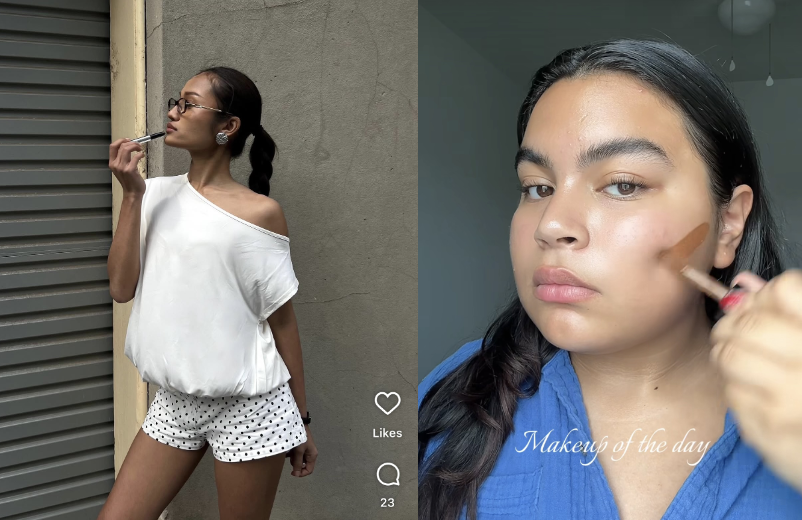
staged to maximize engagement and align with brand collaborations. Abidin (2021) explains how online self-presentation has changed, with personal expression increasingly mixed with commercial goals. Audrezet et al (2018) also note that over-commercialisation can erode credibility. Followers increasingly recognise when content is performative and question whether recommendations are genuine or just marketing. For example, when influencers post unfiltered content but tag multiple sponsored products, some audiences see this as staged authenticity.
Even larger campaigns, like SKIMS or Fenty Beauty collaborations face scrutiny. If posts feel inconsistent with the influencer’s established persona, followers can disengage or call out perceived inauthenticity. This tension highlights a critical challenge for influencer marketing to be authentic as a selling point.
Authenticity Has Evolved, Not Been Removed
However, I believe Influencer marketing has not destroyed authenticity it has transformed it into strategic sincerity. Influencers now carefully balance personal identity with brand partnerships in ways that feel consistent and relatable. As mentioned, both Emma Chamberlain and Matilda Djerf embody relaxed, effortless personas that feel genuine while seamlessly integrating collaborations and their own personal brands (Marwick, 2013). Followers can recognise these sponsorships but accept and listen to them because the influencer’s engagement with the brand feels authentic as it aligns with their online persona
Authenticity as Strategic Branding
Lewis (2020) refers to this as strategic sincerity as content that appears authentic while serving commercial goals. Emotional connection and consistency matter more than total transparency. Followers value aesthetic, storytelling, and tone over whether every moment is completely unfiltered.

A look at Hailey Bieber
For example, looking at Hailey Bieber’s Rhode beauty brand demonstrates how authenticity in influencer marketing can extend beyond sponsored posts. By transforming her personal aesthetic into a distinct, sellable identity Hailey crafted a cultural movement. Much like influencers who strategically curate their content to feel relatable while promoting products, Hailey leverages her persona, storytelling, and unique style to build emotional engagement and loyalty. Consumers aren’t just purchasing a moisturiser because they like the product,
they purchase it because they like and trust Hailey. This aligns with the broader argument that authenticity in influencer marketing is not about complete transparency, but about creating a coherent, relatable, and emotionally resonant narrative that audiences trust and want to participate in (Banet-Weiser, 2018).
Harry Style’s Promotes Marathons Organically
Also, celebrity achievements like Harry Styles recent marathon runs illustrate how authenticity and influence extend beyond social media posts into real-life. By publicly sharing his training, completing the Tokyo and Berlin Marathons, Harry demonstrated dedication and relatability that fans can connect with. Much like influencers who curate lifestyle content to engage audiences, Harry’s personal achievements create an aspirational yet accessible narrative, reinforcing the idea that authenticity is not solely about commercial sponsorships but also about consistency, relatability, and emotional resonance (Freberg et al., 2011). His journey inspires fans to imitate his behaviour and sign up for marathons and adopt healthier habits. It would be smart to assume brands or even the marathons themselves decided to utilise Harry as a marketing tool to authentically promote themselves as he already had a genuine interest for them to utilise for their benefit.
Blurred Boundaries Between Self and Commerce
Influencers personal and professional lives increasingly overlap. Daily routines, personal relationships, and lifestyle content serve as both self-expression and marketing. Abidin (2021) observes that monetisation has always been part of online self-presentation but is now becoming harder to tell the difference between. As influencers showcase products naturally within lifestyle content that feels aspirational but relatable the differentiation is harder to see. Followers now seem to accept the commercial nature of content when it aligns with the influencer’s consistent image, showing how influencer marketing is a story made together by brands and influencers.
Audience Literacy and Negotiated Realness
Gen Z audiences are highly media-literate. They recognise that influencers profit from sponsorships but still engage with content if it feels emotionally authentic. Moulard (2018) argues that authenticity is often negotiated as audiences accept sponsored content if it fits the influencer’s persona and disengage when it seems inconsistent. This suggests authenticity is
no longer binary. Both influencers and audiences participate in sustaining perceived realness. Followers actively evaluate which posts feel genuine, relatable, and emotionally resonant.
Emotional Resonance Over Transparency
Authenticity now relies more on emotional impact than total honesty. Chamberlain’s coffee promotions and Djerf’s lifestyle collaborations resonate because the content aligns with their established persona (Freberg et al., 2011). Emotional tone, humor, and aesthetic consistency make commercial intent acceptable to followers. Duffy & Hund (2019) note that this co- created authenticity strengthens engagement as audiences know posts are curated but still value the emotional realness. Influencers who lean into this succeed when commercial content integrates seamlessly with a persona, fostering trust, relatability, and loyalty.
A Final Look
Looking at Influencer marketing it is clear this hasn’t destroyed authenticity, it has transformed it into something different. Young consumers now interpret realness through consistency, relatability, and emotional resonance, even when posts are commercial in nature. Authenticity has become a co-created performance as influencers carefully craft personas that balance personal identity with brand collaborations, and audiences evaluate and respond to these performances. In this context, what counts as authentic is no longer simply spontaneous or unpolished, it is shaped by the ongoing dialogue between influencer, brand, and audience. The perception of genuineness emerges from repeated engagement, shared values, and moments that feel emotionally honest, even within sponsored content. For brands and PR professionals, this new definition demands strategy, nuance, and attention to audience expectations. Authenticity is now a tool for building trust, engagement, and long-term loyalty. Misaligned campaigns or inconsistent messaging can lead to disengagement or backlash, highlighting the importance of strategic alignment. Brands that respect the influencer’s voice and resonate with the audience create more meaningful connections and encourage advocacy.
In the future, the rise of AI content and virtual influencers (which we are already seeing with an increase across social media) will challenge the traditional notions of authenticity. Brands and influencers will continuously need to adapt, ensuring that emotional resonance, aesthetic consistency, and narrative alignment remain central to brand marketing. Understanding how young audiences perceive authenticity is essential for building meaningful, lasting
relationships in the age of social media. Ultimately, successful influencer marketing is not just about visibility or reach, it is about fostering trust, emotional connection, and a sense of shared story between creators and consumers.
 Megan Anne
  Imogen
  Kyra
Kyra