
Taiwan’s tourism has blossomed in recent years, gaining popularity and global recognition for its rich culture, traditions, and remarkable landscapes. This growth brings both opportunities and risks. While tourism helps sustain local economies and keep traditions alive it also risks the process of commodifying culture when it is adapted for mass consumption.
Tourism in Taiwan plays a crucial role in contributing to its economy while cultural practices are kept alive by sharing them with new visitors. When visitors engage with traditions, awareness and appreciation of cultural moments help sustain the preservation of Taiwan’s culture. Even though tourism fuels economic and cultural appreciation, it also leads to the risks of commodifying heritage and cultural practices. While unsustainable tourism in Taiwan risks turning authentic experiences into staged attractions, community led sustainable practices offer an alternative solution. This alternative can empower local communities to facilitate, protect and preserve their culture authenticity for future generations.
The Hidden Cost of Losing Authenticity when Traditions Turn Into Content
Digital platforms can help promote tourism, although it can also contribute to the danger of sharing false perceptions. In recent years, social media platforms such as TikTok have immensely amplified the growth and popularity of Taiwan with viral clips turning hidden gems into viral destinations. Not only is Taiwan getting the cultural recognition it deserves, but travel creators like @global.and.beyond.travel (2024) and @mylifeaslottie (2024) shares her experiences and recommending others to visit Taiwan over other popular destinations like Japan and Korea which shows how digital tourism trends market destinations on digital platforms.
Digital platforms like Instagram and TikTok thrive on aesthetics and the sharing of content (InterGlobe, 2024). However, many tourist spots are controversial representing inauthentic experiences of culture. The intensity of social media shows how digital algorithms and virality can influence decision making and in distorting the accuracy and perception of cultural practices. Many viral attractions shared on social media platforms are curated for the public eye based on aesthetic appeal and popularity, often promoting the least authentic version of culture.
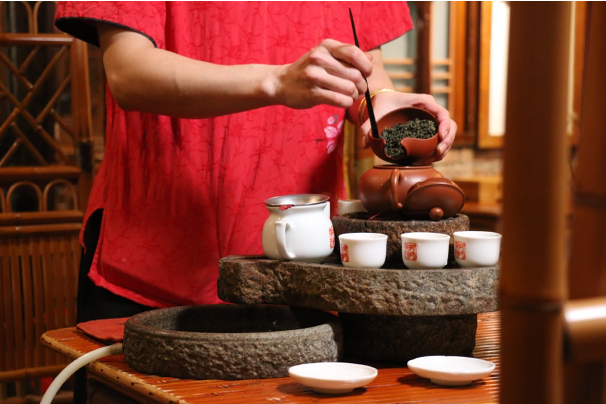
As tourism and tea ceremonies continue to expand, the meaning behind rituals are at risk of being overshadowed and by staged performances catered for visitors. For locals, the tea ceremony isn’t just a performance. It involves the practice of brewing and connection to culture. The media has altered outsiders’ perspectives of the rituals, providing them with false understandings. Before, this ritual was a spiritual act however, now many tea houses showcase simplified and staged performances curated for the camera. While these practices seem authentic to visitors, they lack genuine and factual representation of the culture and practice, stripped of meaning for commercialized purposes.
With the increase in cultural awareness, more tourists now seek authentic experiences immersing themselves and connecting with local traditions. In Taiwan, the art of tea is more than just a drink. It is a historical tradition, a centuries old ritual that involves brewing techniques and choreographed movements through utensil arrangement. It isn’t just about sipping a drink, it involves rituals, hospitality, and connection to culture. It involves curating a shared experience by welcoming, connection to culture, and by learning its history.
Tea ceremonies are traditionally simple, plain, and intimate. But digital platforms like TikTok have engraved the perceptions of these rituals as colourful, elaborate and luxurious. Visitors’ awareness of tea ceremonies in Taiwan has become extremely recognized as a tourist activity when visiting Taiwan. Many tourists will visit tea houses and share them on TikTok and Instagram. These images taken are often set up and positioned for aesthetics and dressing up the ritual into something showier and more luxurious (Zhang, 2017). These practices are strategically curated and positioned to be instagrammable to promote their business and attract tourists for a luxurious ‘authentic’ experience. However, many recognise that authentic tea culture has transformed into public performances with adaptations, diminishing the core essence and authentic spirit of the art of tea (Zhang, 2017).
The growth of tourism in Taiwan has led to a large increase of tea houses as businesspeople study the art of tea with the purpose of running their own tea shop to attract tourists. These tea houses are usually unauthentic, as they adapt original practices to appeal to outsiders, and capture their attraction for monetary purposes (Zhang, 2017). The claimed efforts of spreading ‘traditional and authentic culture’ is transparent through its showy style of the tea ceremony to promote aesthetism. Many local Taiwanese criticize these efforts as intensifying the commodification of the art of tea and damaging the perspective and authenticity of rituals for future generations. This shift towards profit driven tourism reflects unsustainable tourism in Taiwan.
Jiufen faces a similar challenge. Through the eyes of social media, it is a dreamy lantern-lit landscape that is aesthetic and camera ready. Many tourists romanticise the landmark but in reality, it is extremely overcrowded and overpriced with souvenir shops and teahouses. While Jiufen is a historical landmark, the rise of endless teahouses and souvenir stalls strip the hotspot of its historical value. Tourists visit Jiufen believing that they experience authentic community life whereas the locals feel that the heritage and historical value of Jiufen has been transformed into an Instagram backdrop rather than a cultural landmark. While digital platforms boost attention for tourism and economic growth, it strips Jiufen of its historical meaning and heritage for media consumption.
A very popular hotspot in Taiwan where tourists visit to take aesthetic photos, experience ‘authentic’ culture and experience the viral ‘Amei tea house’ (Amei Tea House, 2025). Jiufen Old Street is an old town area that has lantern-lit alleys which has gone viral all over TikTok. It looks like straight out of a movie. Its surreal aesthetic has drawn lots of attention gaining high foot traffic from tourists. It has become one of the country’s most iconic landmarks and its popularity has reshaped its traditional meaning.
Jiufen is popular and iconic landmark that offers a glimpse of Taiwan’s culture and history. The landmark is packed of meaning and historical aspects that goes back to the Qing Dynasty (RooWanders, 2024). The landmark has been glorified all over TikTok and is now packed with visitors, dominated by souvernir shops, tea houses and an instagrammable photo spot. What was once a historical landmark with deep historical value, has now been recognised as a backdrop for Instagram stories.
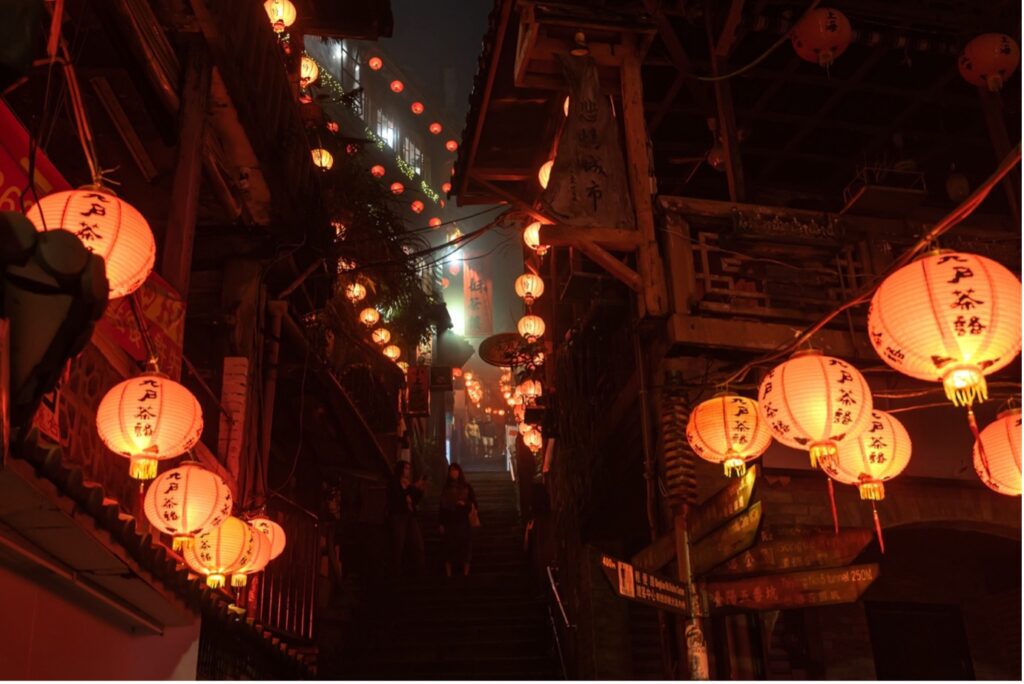
Not only are there lots of souvenir shops, but there are also heaps of tea houses on Jiufen Old Street. This relates to the concept that many people start their own tea house business to attract tourists who seek the interest to experience authentic practices that are Instagram worthy. Teahouses on Jiufen Old Street are typically set up for monetary purposes as there are long lines of tourists wanting to experience authentic culture. Often these tea houses are less authentic as the rituals and hospitality are rushed and simplified, to cater the high demand and acquire faster turnovers for monetary purposes.
Both tea culture and the landmark Jiufen highlight the same issue equating to unsustainable sustainability in Taiwan. Over time, we begin to realise that when culture and traditions are tailored specifically for tourist consumption, it prioritises aesthetics and monetary purposes over authentic culture and experiences.
The commodification of cultural practices and traditions is one of the challenges that Taiwan is facing with tourism. With the rise of tourism and virality of social media platforms, authentic practices and rituals are often repackaged and staged to meet tourist demands. These authentic and realistic customs are transformed into staged performances to appeal to the public eye. Often, these are unrealistic and involve simplifying or modifying the historical traditional styles. And it is not just tea houses or historic landmarks that are facing this issue. Many offerings of Taiwan’s cultural experiences are designed and catered to attract tourist consumption which makes many question the authenticity of the experience. It has becoming more and more prominent where cultural traditions become tourist traps that lack authenticity.
The consequences lie in the risk of Taiwan’s culture becoming more performative, altered and inaccurately passed to future generations. While virality can stimulate economic growth and recognition at attracting more visitors, it challenges the country in preserving its culture and prevent losing authenticity and culture. Unsustainable tourism has accelerated cultural commodification but sustainable models like community led tourism offers an alternative solution of empowering locals to actively protect and preserve their traditions for future generations.
Redefining Tourism in Taiwan: How Communities are Restoring Authenticity in their Culture
When culture is reshaped for different purposes, whether that is coming from a business perspective or monetary gain, it often loses sight of the main reason that makes it meaningful, which is the history and traditions. Locals can tell when their culture and traditions have been manipulated and altered for tourist consumption because they actively incorporate these practices in their daily life. This is why many passionate local communities are now choosing to actively facilitate these activities to tourists. It gives them the opportunity to share how their traditions are celebrated in order to preserve their local culture in a meaningful manner.
In Taiwan, the most famous and popular lantern festival is the Pingxi festival. It is a festival that draws huge crowds and many visitors across countries (Liu, 2018). Many visitors often prioritise the aesthetics of the festival by taking photographs for their Instagram rather than learning about the tradition and heritage of the celebration. The Pingxi festival has been commercialized and adapted to suit the mass consumption of visitors. Its popularity has turned it into such a large festival with high volumes of visitors that overlook the repercussions of the celebration. What many tourists fail to realise is that festivals of such a large scale often contribute to unsustainable tourism in both cultural and environmental aspects.

This is one of the many reasons why locals choose to invest their time into hosting local festivals with their communities. Community-led lantern festivals such as Phoo Tse Lantern Festival in Taiwan are driven by the rationale of preserving their authentic culture and traditional heritage (Teng, 2022). This festival was designed to gather the community and to celebrate local traditions. There are many small and local communities in Taiwan that hold their own lantern festivals that are not curated specifically for cameras or tourists’ expectations. They are shared cultural experiences and moments shaped by locals.
This festival is community-led, and it is traditional for local residents in the community to paint, handcraft and design lanterns. This is because each lantern tells its own story demonstrating personal connection to heritage by creating memories by spending time together.
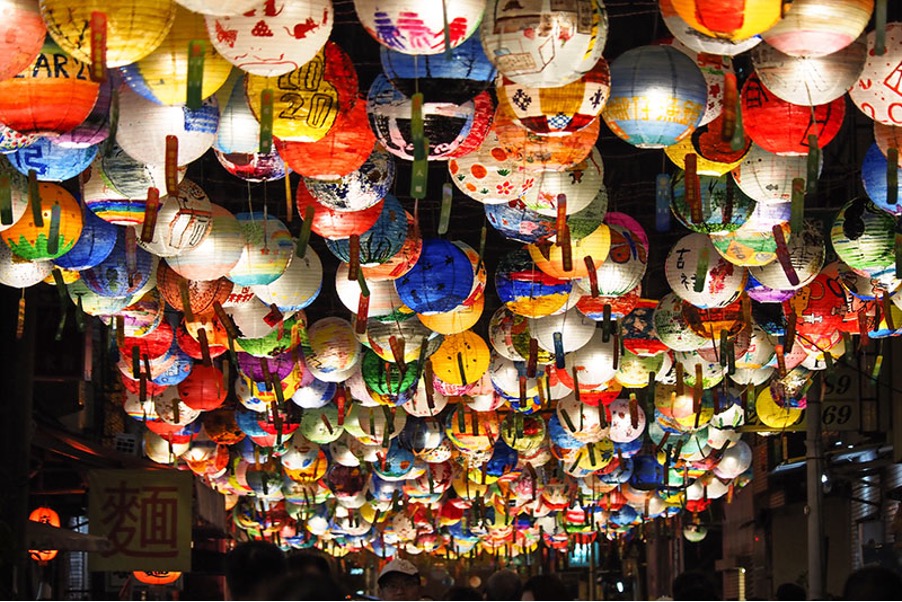
Being part of the festival and self-involvement ensures that the traditions continue to be a living memory within the community and plays a role in generating authentic connections with neighbours through a shared experience to strengthen local bonds.
The Phoo Tse Lantern Festival showcases how effective community-led tourism works in preserving rich culture and historical roots. They aren’t just commodified products and aesthetics for cameras, they are celebrations created by locals. By supporting communities practice and embrace their traditions and culture, sustainable tourism can align more closely with United Nations Sustainable Development Goal 12, ensuring cultural preservation and sustainable growth (United Nations, 2025).
The Taiwan Government has actively implemented cultural policies as tourism-oriented development to ensure to foster sustainable growth (Bin Lee , 2019). Community based tourism plays a key role and is an effective sustainable tourism model that exists when local community members facilitate tourism (Cohanpour, 2025). This model provides communities control over tourism activities by offering travellers authentic experiences in real life in comparison to mass-marketed performances for the public. Not only does this model contribute widely to the tourism industry in Taiwan, but it also towards the growth of the economy to create new job opportunities.
Towards Sustainable Tourism in Taiwan
The visibility of tourist attractions creates a paradox. When a place, activity or location goes viral attracting more visitors and interactions on digital platforms, it forms risks of diluting the authenticity of culture as they are often turned into staged performances of aesthetics instead. These practices and performances that attract visitors are often altered and simplified as products for its audiences. Cultural traditions shift from authentic and genuine live cultural experiences to staged performances and productions of commodification. From a tourist’s perspective, these attractions may feel educational and authentic. However, from a local’s perspective, they appear as staged, commercialized and loses its meaning.
Sustainable models like community-led activities and traditions generate authentic experiences between locals and visitors. When travellers are exposed to these cultural moments and practices, they become educated and increases the visibility and preservation of these practices. In supporting community led models, it can help balance cultural preservation, create job opportunities and economic growth whilst ensuring authentic experiences.
Taiwan’s cultural aspects are so interesting and getting to experience authentic culture that they experience daily in real-life really change our perspective in terms of the cultural differences when living in a different country. Balancing between the authenticity of culture and the aesthetics, Taiwan’s tourism will continue to thrive if sharing it with the world through local communities. Authentic and sustainable tourism isn’t captured in one moment for your Instagram, it exists in the traditions and practices when communities come together to keep them alive.
 TianYuran
  Lu Yunyan
  Pauleen