
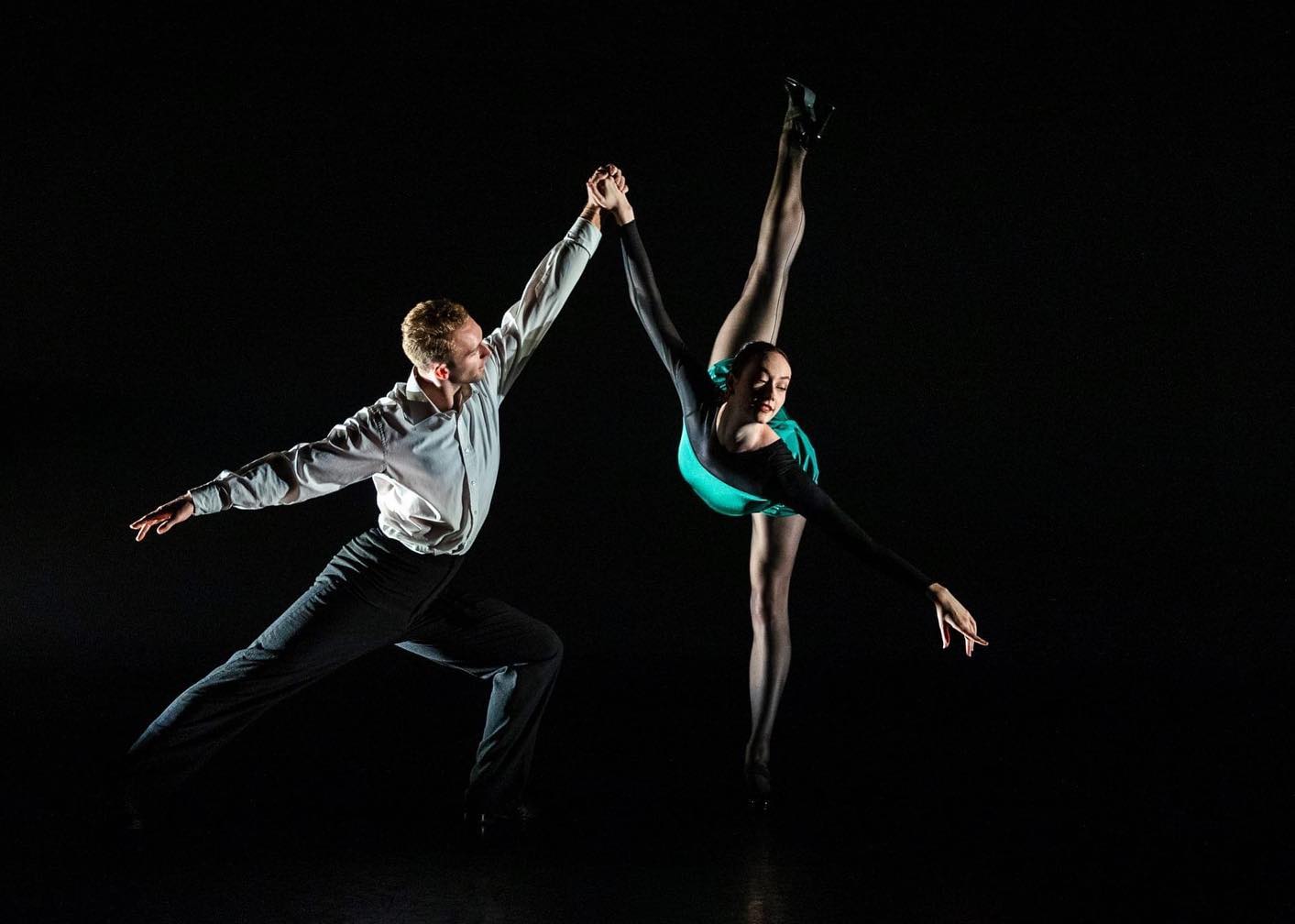
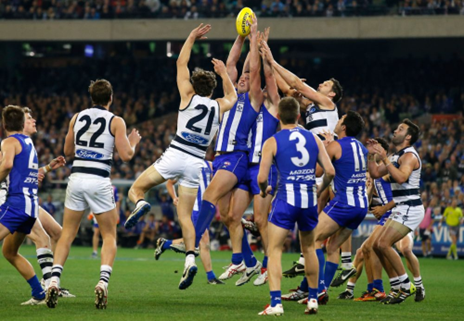
What does a typical Australian Saturday look like? For many Australians, packing into a buzzing stadium, cheering and watching their favourite sports team battle is the best place to be. Just down the road, a nearby theatre hums with a different kind of energy. An intimate, electrifying buzz fills the air as a full house watches dancers perform with precision and passion. A classic juxtaposition of so many similarities, yet they are treated so differently. Sport has been a long-defining pillar of Australian culture, traditionally celebrating cricket and football as being central to national pride and identity. Dance, which is historically more prominent but is typically more niche, has begun gaining popularity. Australia has had a diverse range of roots when it comes to dance for centuries, with Indigenous ceremonies and European ballet traditions, and now, more current trends such as dance-based television shows and TikTok trends have begun a domino effect of cultural change. Dance is beginning to gain recognition, attracting new and larger audiences, and developing participation across age groups, signalling that it can challenge sport’s longstanding dominance and claim its place in Australian life.
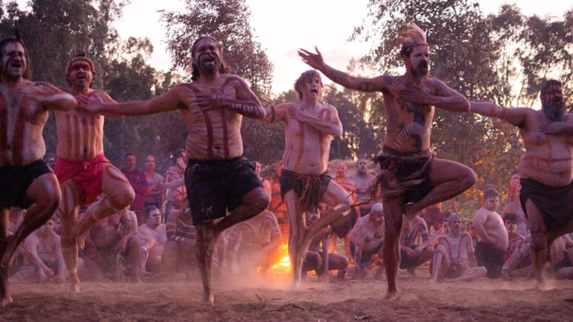
Dance in Australia has deep cultural roots that contribute to its current growth and significance. Indigenous Australians are a strong representation of this, as their culture has utilised dance as a primary form of storytelling in ceremonial practices and cultural preservation for thousands of years. Many dreamtime stories that are used to convey moral lessons, laws and history of the culture, are often found to feature intricate movements and gestures, as a way of keeping generations connected to their ancestors and their heritage. Dance and movement for these Indigenous communities are not for entertainment, they are a living, evolving language that communicates identity, spirituality, and social cohesion. Ceremonies, such as corroborees, can last for hours or even days, involve full community participation, singing, and customised movement, to create a multisensory cultural experience that has influenced contemporary Australian dance. Many Indigenous dances include complex rhythms, body percussion, and symbolic gestures that are indicative of current-day dance practices. Such traditional practices continue to inform and inspire modern-day professionals and choreographers by blending cultural knowledge with contemporary performance techniques to create works that resonate with modern audiences.
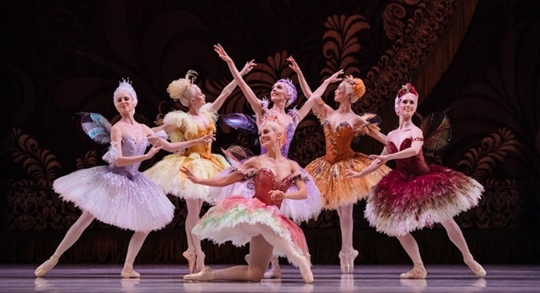
European dance influences originally arrived in Australia with British colonisation in the 18th and 19th centuries. The arrival brought the initial introduction of ballet and other formal dance traditions into Australian culture. By the 20th century, a strong foundation had been set, and Australian dancers and choreographers were establishing professional companies that still define the national dance scene that we know of today. The Australian Ballet Company, founded in 1962, brought classical ballet firmly into the public eye, touring extensively and presenting works by international choreographers as well as original Australian productions. Sydney Dance Company, founded in 1969 under Graeme Murphy, became known for its innovative contemporary repertoire, pushing the boundaries of dance as an art form and reflecting Australian stories. Bangarra Dance Theatre, founded in 1989, is an Indigenous based contemporary dance company that produces works that communicate the cultural heritage and identity of Indigenous Australians on both a national and international scale. These companies have been vital to the success of professional dance systems and the nurturing of local talent in Australia by offering various pathways from school programs to elite performance opportunities. Through these organisations, dance in Australia has evolved from a cultural activity to a professional and internationally recognised art form, blending athleticism with artistic expression.
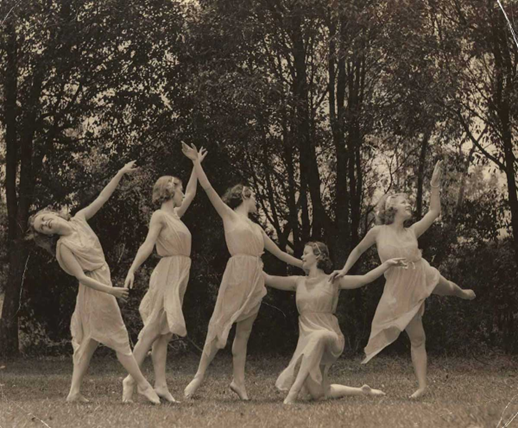
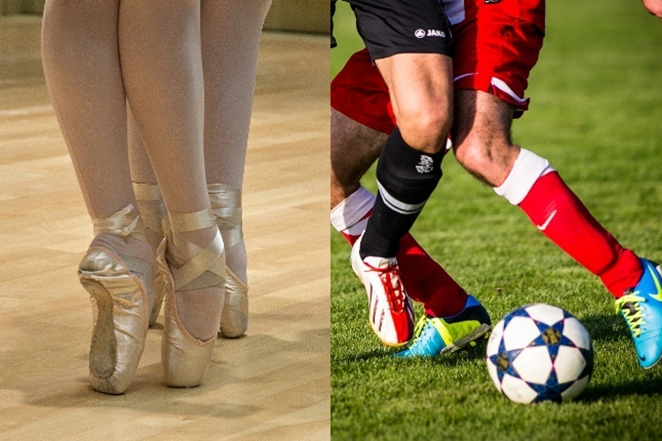
Historically, dance has been perceived as less “serious” than sport. The cultural attitudes of Australia have typically positioned athletic competition on a higher pedestal than dance and other forms of performing arts. More value is placed on sports-specific skillsets over the precise technique and creativity that is required of dancers. Yet, dance requires a level of endurance, strength, and precision that is comparable to that of sporting professionals. The dancers who work to acquire a professional standard are required to train for numerous years to achieve a high level of skill and must maintain schedules just as rigorous, if not more so, than those of elite athletes in sports. While sports have traditionally monopolised school curricula, media coverage, and public attention, dance is increasingly demanding more recognition for its high levels of discipline and the artistic and physical skills it requires. Over time, public appreciation has grown, especially as performances by major companies have accumulated more media attention.
Although sport remains dominant in Australia, participation in dance is steadily increasing across multiple demographics. According to the Australian Institute of Health and Welfare‘s survey on sport and recreation, approximately 18.4 million Australians aged 15 and over have participated in some form of sport or dance, representing around 84% of the adult population in Australia. While females still outnumber males by around three to one in dance enrolments each year, participation among the male population has begun a steady increase, especially in hip-hop and contemporary forms. In comparison, team sports such as football, cricket, and netball still command higher overall participation rates, ranging from 40 to 50 per cent, depending on age, but the gap is narrowing. In more urban areas of Australia, where access to dance schools and community programs is more readily available, there has been an increase in interest from both youth and adults. This shift in interest from these different age groups towards wanting an activity that is heavy in creativity, expression and personal well-being, alongside more traditional competitive sports, is currently in play.
Media coverage is currently playing a highly crucial role in this cultural shift towards dance. Television shows such as Dancing with the Stars and So You Think You Can Dance bring professional dance performances straight to the living rooms of many Australians nationwide. These shows have managed to successfully combine celebrity appeal with the technical expertise of various dance styles, which are inspiring viewers to want to take dance classes and participate in competitions. Well-known news outlets, magazines, and online platforms are also increasingly discussing dance festivals, competitions, and emerging artists, helping to provide more public visibility. Social media platforms are also amplifying this effect. Platforms such as TikTok and Instagram that host dance challenges that have the potential to reach millions of participants make dance easy to participate in, as well as easily accessible to younger audiences in ways that sport cannot always achieve. Viral dances, such as the Land Down Under challenge or choreographed TikTok sequences by influencers, have seen Australian communities joining in, helping to demonstrate the global reach and interactive potential that dance has. These trends show that dance can transform the traditional known theatre space into new communities in ways that are playful, social, yet deeply engaging.
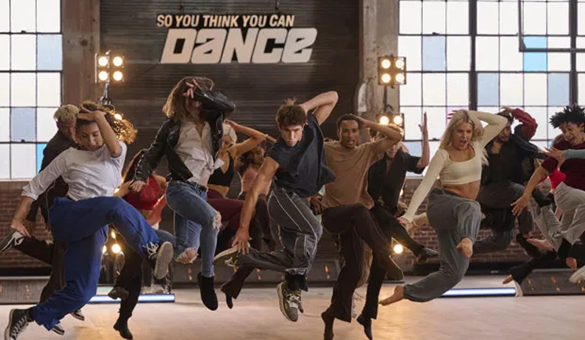
Despite these increasing levels of popularity, the attitudes of Australian culture tend to remain more negative towards dance. Sport is still crowned the more culturally significant pursuit, as it’s associated with competition, athletic strength, and national identity. Dance tends to be viewed as the complete opposite, being a more recreational activity, even though it requires similar levels of discipline, stamina, and skill. These opinions and views have created a hierarchy in which sports are valued more highly in terms of funding, public recognition, and institutional support. Yet, participation in new trends suggests that dance is steadily gaining ground by challenging these traditional assumptions of cultural prominence. More importantly, this growth showcases that more Australians are becoming increasingly willing to recognise the artistic skill and physicality and beginning to appreciate and cherish the creativity of dance alongside athleticism.
Several factors are driving dance’s increasing visibility and participation, in which reality television has played a highly important role. Programs like Dancing with the Stars are making dance both entertaining, aspirational and visible to the Australian audience. Similarly, So You Think You Can Dance, which showcases a diverse range of styles, from contemporary and hip-hop to ballroom and jazz, introducing audiences to both traditional and modern dance forms, is inspiring its viewers to want to participate themselves. By blurring the line between spectator and performer, it fosters a growth in interest in its views, especially among the younger audiences. Social media has also accelerated this trend of community participation. With the help of viral TikTok and Instagram, numerous dance challenges that encourage users to participate, share, and perform are readily available to partake in, with routines that help to connect communities and engagement across national and international networks. For many participants, these platforms offer their first exposure to dance beyond formal lessons or performances, thereby democratising access and expanding the audience base.
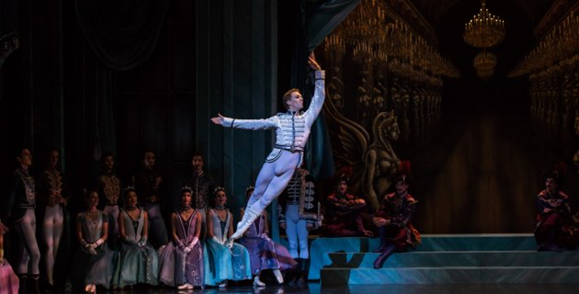
Dance has become more accessible to the Australian audience through the rise of local dance schools and community programs, as well as large festivals that encourage movement, which are blooming in popularity. With the help of programs such as Ausdance or school-based dance curricula, children and teens are being provided with more opportunities to explore movement in structured yet enjoyable ways. Dance festivals such as the Sydney Dance Festival and the Victorian Dance Festival, which showcase professional-level performances, have been able to encourage better community participation and attention around dance. These performances have helped to make dance more inclusive and visible to more eyes, supporting a shift from a niche art form to a mainstream cultural activity. New emerging fitness and lifestyle trends are also helping fuel dance’s rise in popularity with activities such as barre classes, hip-hop cardio, and contemporary movement-based workouts that combine dance with health and wellness, attracting adults who may not otherwise participate in formal dance performances. Mixing fitness with artistic tendencies has helped to broaden who it is able to appeal to, helping make a large shift in Australian opinions towards dance.
Despite its growth, dance faces structural and cultural challenges that limit recognition compared to sport. Dance is a very heavily stereotyped activity, with females being expected to go to dance classes, while males are pushed toward choosing traditional sports to pursue. This reinforces the idea that dance is feminine or recreational only, marginalising the athleticism and skill required to perform at professional levels. Funding disparities further complicate the picture. Sports-based organisations and programs receive more government support when compared to those of dance organisations. This lack of support reflects the historical priorities of the activities and broader audience reach. Dance companies and programs, especially those that are more community-based, often operate on limited budgets, relying on ticket sales, donations, and small grants to support themselves. This inequity between the different activities affects not only the quantity of available programs but also the quality of training, performance opportunities, and public outreach, which in turn damages public perception. The stereotype that dance is less physically demanding than sports is still a strong notion that is found in today’s societal views. Despite numerous studies showing that professional dance requires high levels of cardiovascular fitness, muscular strength, flexibility, and mental focus that are comparable to those of elite athletes, these old-fashioned perceptions of dance and sports are strongly embedded in Australian culture, which is why it is so important to shift these ideas for cultural parity and a broader recognition amongst Australian society.
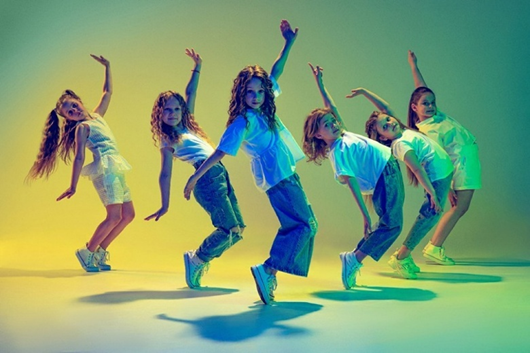
Looking ahead, dance is set to play a much larger role in future of Australia’s cultural identity. School programs, community projects, and new initiatives are making it more accessible, while collaborations with sport and fitness show just how much athleticism is behind the art. Digital platforms are also helping dance grow, with online classes, streaming, and social media bringing dancers and audiences together across the country and even globally. These spaces give young people more visibility and open doors for the next generation to thrive.
Dance is no longer just a niche after-school hobby, it’s becoming a resonant cultural force with artistic, social, and physical value. The history of dance is so rich and combined with the increase in participation levels across Australia and the growing media popularity, dance is finally getting the recognition it deserves- to be fully accepted alongside traditional sporting activities. Whether it’s an onstage performance, a local community event or an online TikTok challenge, dance has already begun changing the Australian culture from what we know it as today. It is truly showing that it deserves to be a central part of Australia’s national identity.
 TianYuran
  Lu Yunyan
  Pauleen