
For a long time, Formula One racing has been considered a sport that blends speed, engineering, and driver skill—at least that’s what I used to think. However, Warner Bros.’ F1 movies and Netflix’s narrative approach have brought the sport into the spotlight, and fan culture has increasingly permeated various sporting events, including Formula One, changing how audiences interact with F1. In my opinion, F1 is no longer just a pure motorsport event, but more like an entertainment activity jointly run by fans and drivers.
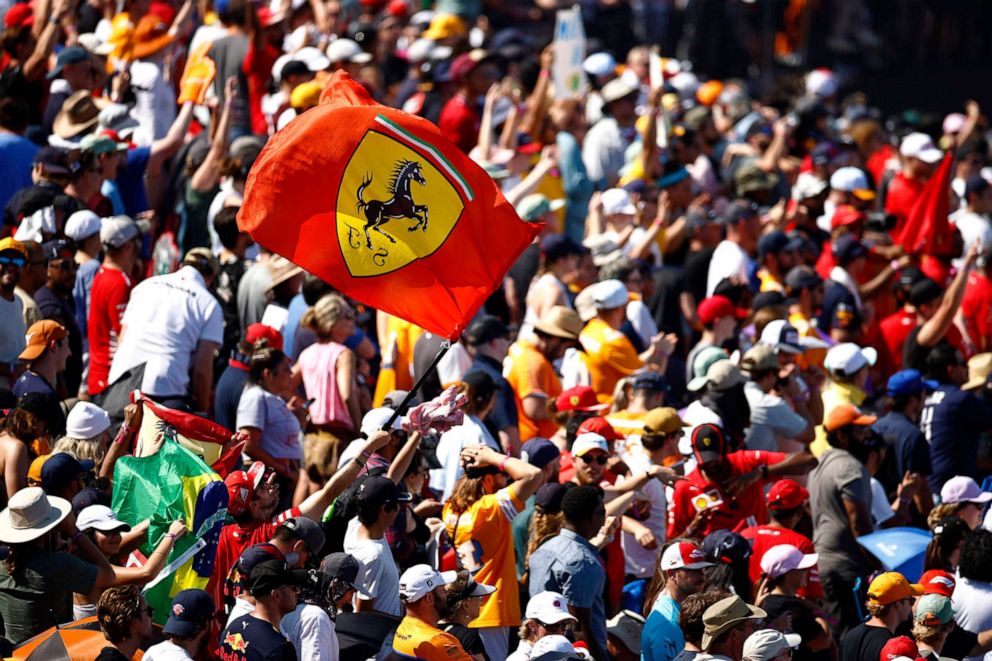
Social media has brought Formula One racing into the public eye, and the rise of fan culture has transformed fans from mere spectators. Fans support their favorite teams in various ways, such as creating videos and fan accounts, expressing their emotional attachment to the drivers. This has fostered a more active fan culture. While supporting their favorite drivers, fans also criticize other drivers, sparking frequent online debates. Dai points out that as a youth subculture, fan culture typically emerges among groups marginalized or disconnected from mainstream society due to their unique interests and behaviors. In Formula One, the close-knit communities surrounding the drivers are a prime example of this phenomenon.
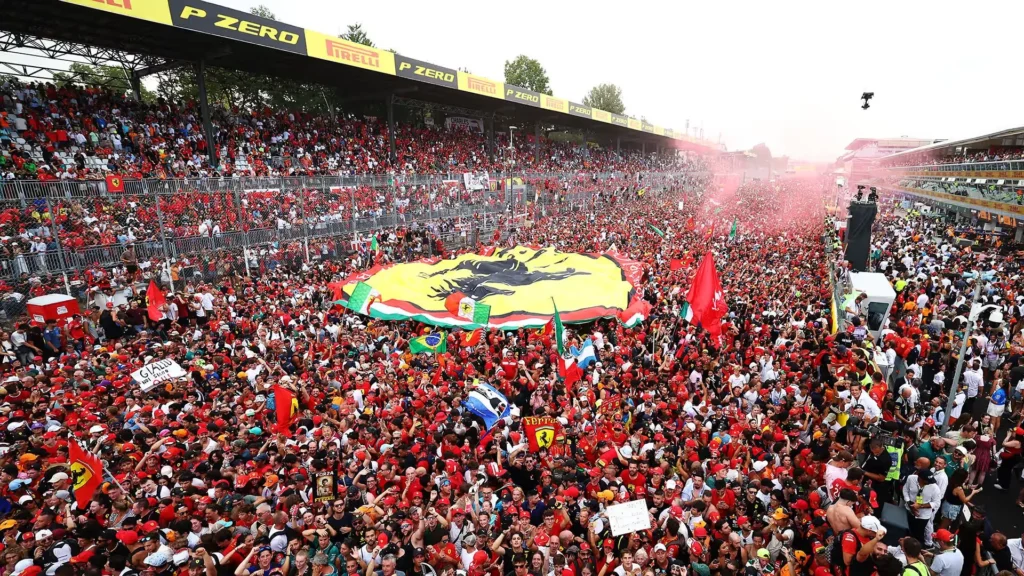
While fan culture has reshaped Formula 1 racing, the reins are no longer solely in the hands of fans; drivers are increasingly involved. This is particularly evident on social media, where drivers are more involved in commercial activities and frequently appear in pre-race promotions. As Wang stated, participatory culture refers to an environment where people believe their contributions are valued and they can build social connections with others. I believe that in this sense, a driver’s competitive achievements are no longer sufficient to define them; their market value is also crucial. However, this shift has also raised concerns about the nature of the sport. F1 is no longer just a sporting event; as drivers become increasingly driven by star power, their market and entertainment value may surpass their racing cars and technical skills. There are concerns that in this environment, fans may focus more on the driver’s entertainment value than their competitive achievements.
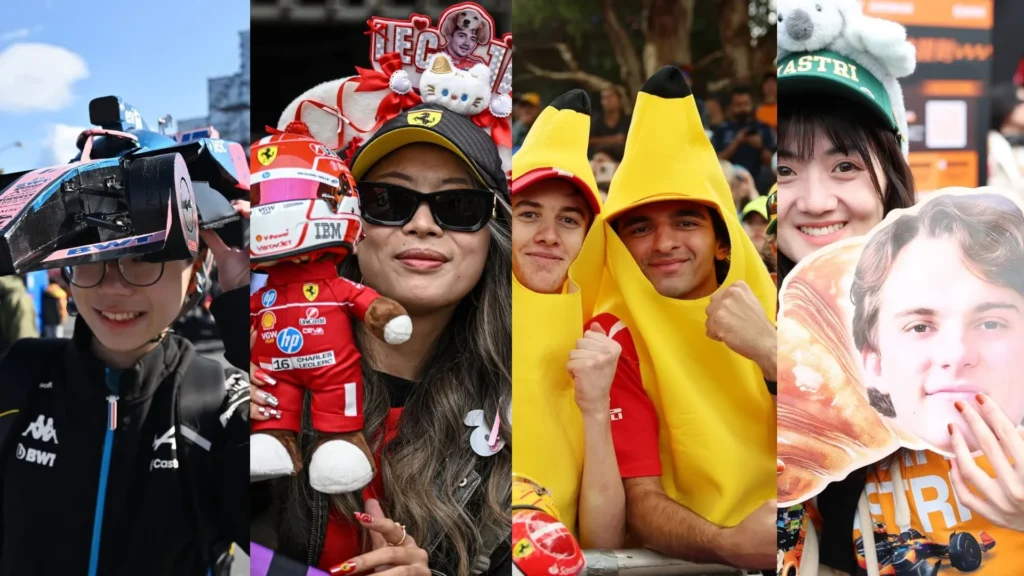
In short, the rise of Formula One fan culture reflects a broader shift in how the sport is experienced. Social media and entertainment media, while expanding the sport’s reach, have also fueled the rise of fan culture, shifting focus from pure sporting events to the entertainment value and market potential of drivers and teams. In the long run, I think fan culture is redefining F1. Whether the sport can maintain its high-performance racing while simultaneously embracing its growing entertainment value, and whether this shift will ultimately weaken or strengthen the sport, will depend on how the future balance between fan culture and the sport itself is achieved.
 Joleen Jublee
  Jamez
Jamez  Scarlett Johnstone