Self-worth was once defined by character and kindness, but the modern world of filler, filters, and follow-requests has created a whole new landscape for validation and self-identity. Reality Television has been a catalyst in this shift, teaching audiences to equate beauty, success, and popularity with personal worth (Egbert & Belcher, 2012). The Kardashians franchise – beginning with ‘Keeping Up with the Kardashians’ (2007-2021) and later rebranded as ‘The Kardashians’ (2022-present) – is a highly-produced, headline-making, drama-filled reality tv show that follows a powerful, female-led family as they dominate the curated world of beauty, fame, and success.
This article argues that reality television like The Kardashians blurs the line between sharing positive, aspirational content and promoting harmful, unrealistic ideals, often negatively influencing how audiences understand self-worth, success, and beauty. It will address this double-edged nature of modern reality TV by examining how The Kardashians show both inspires and distorts viewers’ self-perceptions. To begin, this writing explores critical perspectives on how The Kardashians glamorise unhealthy and unrealistic beauty standards and lifestyle ideals. It then explores the opposite viewpoint where the show is perceived as an inspirational, entertaining, and empowering form of escapism. Finally, these perspectives are linked to demonstrate that the show can be both damaging and empowering at the same time, revealing that reality TV often sits in a complex grey area and rarely fits into one neat box.
Fake Perfection: How The Kardashians Influence Self-Worth
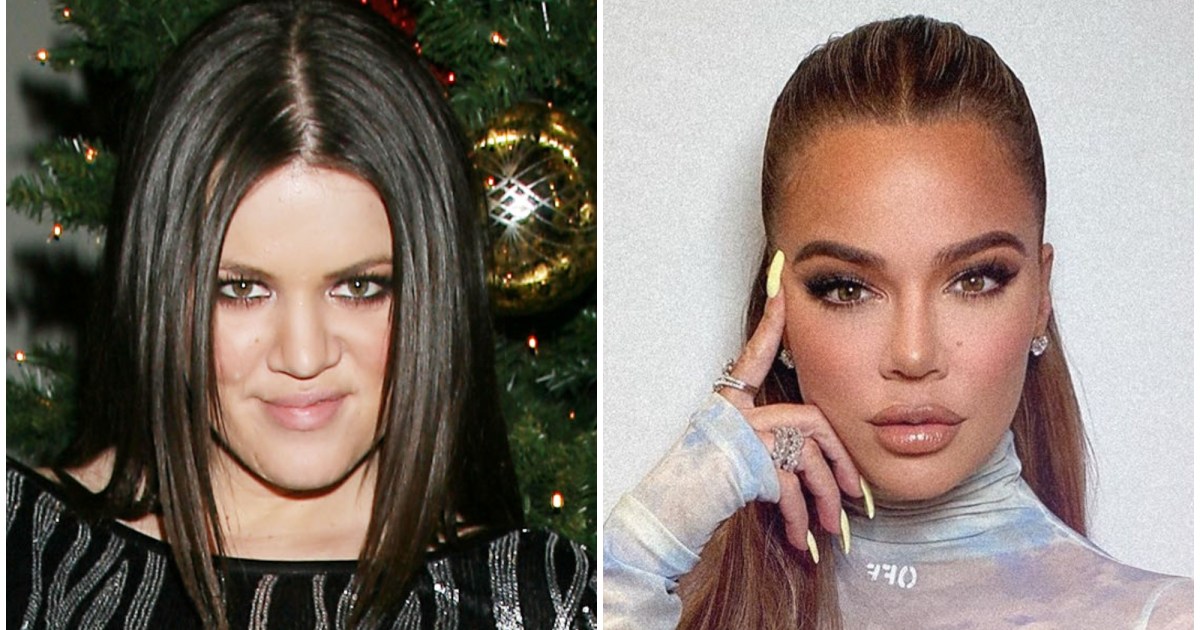
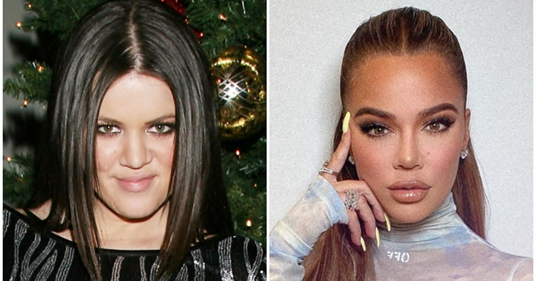
Critics of The Kardashians argue that the show harmfully glamorises unrealistic beauty and lifestyle ideals, supported by many studies confirming the strong link of media exposure to body dissatisfaction among audiences (Egbert & Belcher, 2012). The Kardashian family are known for their highly curated appearances, ‘perfect’ bodies, and picture-perfect face cards that are constantly changing due to their regular cosmetic procedures. The family openly share their enhancements like Brazilian Butt Lifts, copious amounts of filler, fox eye lift surgeries, and more. For instance, Khloe Kardashian addressed her drastic change of appearance in the family’s 2021 TV reunion hosted by Andy Cohen, saying “Everyone says, ‘Oh my gosh, she’s had her third face transplant!’” and then admitted that she has “had one nose job.”(Todisco, 2021). While some may argue that its ‘their body, their choice’, many are concerned about the measurable rise in cosmetic procedures, linked to the phenomenon dubbed ‘Kardashian Effect’. The Kardashian Effect can be described as the social and cultural influence of the Kardashian-Jenner family on beauty, lifestyle, and trends, and their loyal ‘cult-following’ (Brooks, 2017).
Although the Kardashian family may not explicitly encourage their audiences to get cosmetic enhancements, their large social presence and influence has had a real effect on the popularity and normalisation of these procedures (Sood et al., 2017). According to a survey of plastic surgeons conducted by the Academy of Facial Plastic and Reconstructive Surgery (AAFPRS) in 2015, 13% claimed that there was a definite increase in customers who decided to undergo cosmetic procedures due to the control that celebrities have over their success and popularity (Sood et al., 2017). In a Hot Take article about beauty trends, posted on the NETS2001 blog, writer Tash Paul says “The truth is, we will never be able to look like the Kardashians from any product they sell. We’d have better luck trying to steal their cosmetic surgeon” (Paul, 2025). This highlights that the beauty standards set by The Kardashians are often completely unattainable as they are achieved by cosmetic procedures rather than the products they are promoting to their audiences for their own financial gain.
Beyond influencing physical appearance perceptions and body dissatisfaction, the show also idealises and promotes a glamorous lifestyle based on extensive consumerism, normalised alcohol use and excessive partying (Barker et al., 2025). This can be particularly impactful on the developing values and behaviours of their often-impressionable teenage and young-adult, female viewers, who often look to celebrities as role models.
From Birkin bag hauls, to designer watch videos, the family has historically flaunted their wealth through their designer purchases and lavish luxury-spends (Denton, 2023). Many claim the family flaunting their consumerism may encourage viewers to equate self-worth with material possessions. This can also contribute to environmentally harmful fast-fashion practices, as individuals may begin to prioritise participating in micro-trends over environmentally conscious fashion choices (Denton, 2023). By constantly displaying luxury items, the family sets an aspiration standard that is unattainable for most viewers, leading to feelings of being inadequate and reinforcing the idea that personal value is defined by appearance and wealth (Egbert & Belcher, 2012).
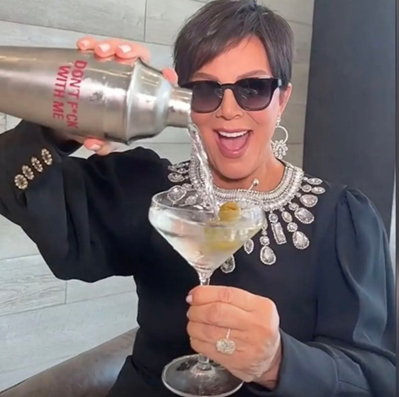
The family has also historically glamorised the abuse of alcohol, normalise taking it too far on a night out, and humourise drunk mistakes (Barker et al., 2025). This was evident in Season 2 of The Kardashians where a study found that a singular tequila brand was present on the screen 65 times as well as 16 times for other alcohol brands (Barker et al., 2025). The researchers explain that the high prevalence of alcohol content can be influential on the drinking behaviours of the show’s young and impressionable audience (Barker et al., 2025).
Although these behaviours may appear harmless, the ideals promoted by the show can have serious effects on viewers’ ideas of materialism, self-worth, lifestyle ideals, and beauty standards. While the show’s influence is clear, it is also important to acknowledge that The Kardashians can simultaneously provide inspiration and escapism for its viewers, reinforcing this idea of the show sitting in a television grey area.
Reality TV as Motivation and Escapism
While critics highlight the harmful impacts of The Kardashians, many fans and defenders say that reality TV shows like these be an entertaining form of escapism that empowers and inspires viewers, and when viewed critically, the show can be used as motivation to improve their own lives. This discourse surrounds the perspective that aspirational fantasy can still be used for motivation and ambition, even if the content is not necessarily attainable or realistic (Blitvich & Lorenzo-Dus, 2013). Studies have found that viewers who engage critically with reality TV can differentiate the curated fiction from reality, in turn allowing them to view the content as aspirational rather than realistic (Yılmaz & Derman, 2023).
By engaging critically with the content, audience awareness is developed, and viewers can identify that a lot of the content is dramatised for entertainment purposes, and that a lot of it is ‘all for the cameras.’(Yılmaz & Derman, 2023). By identifying that shows like The Kardashians prioritise performance over authenticity, viewers enjoy the entertaining content while using it as motivation for their own ambitions.
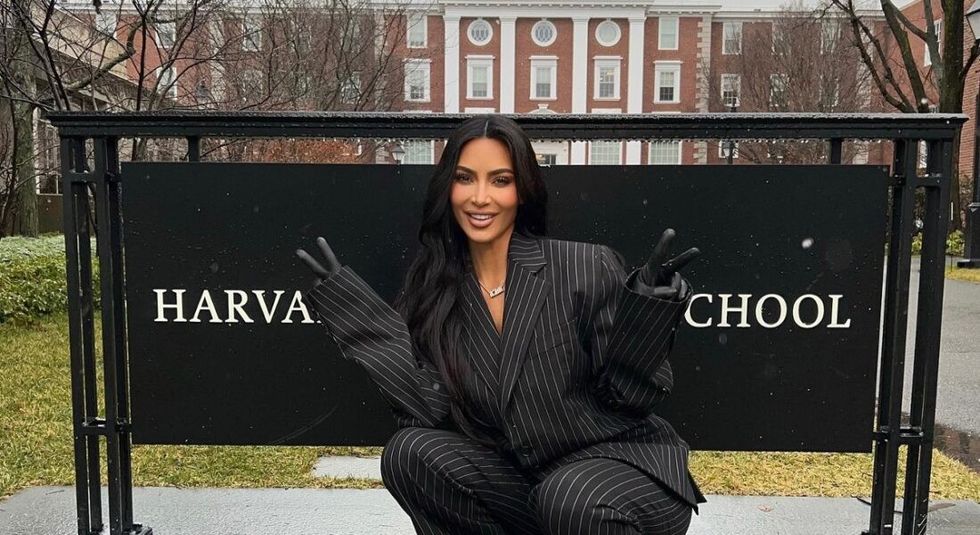
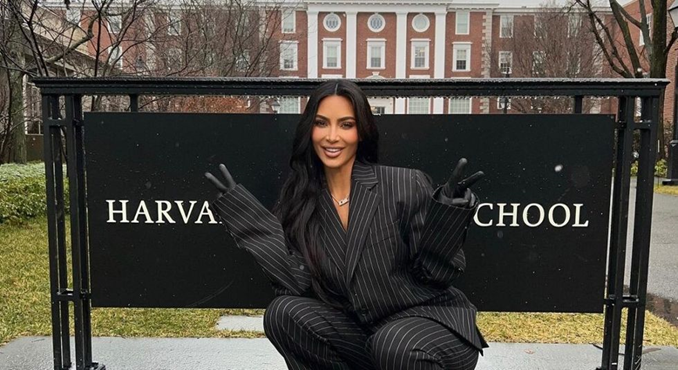
The Kardashians also empowers and inspires viewers by glorifying the business and humanitarian endeavours of the family members. Since Kim began her endeavour in legal aid, it has been a recurring focus of the show, education, justice and retribution, and female empowerment (Hunter, 2022). Her ability to complete law studies as a mature-aged mother demonstrates passion and perseverance and empowers the show’s young female audience to pursue their goals regardless of their limitations or life circumstances.
https://www.goalcast.com/wp-content/uploads/2023/04/kim-kardashian-law-school-1100×600.jpg
Khloe has recently shared her role in her step-son, Amari’s life, and how she cares for him while he navigates the difficulty of his physical and mental disabilities (Jones, 2024). In Season 9, Episode 6, interviews and b-roll footage showcase her compassion and unconditional love, and normalises diverse family experiences (Jones, 2024). This segment was incredibly significant as it promotes important values like kindness, acceptance, and empathy, and provides a positive role model for the audience.
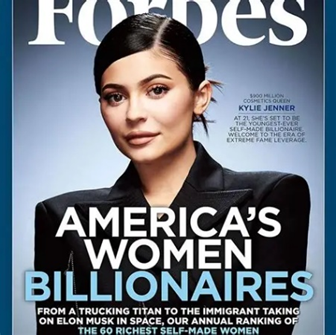
The documentation of Kylie’s journey in entrepreneurship, as well as her reaction to becoming the youngest Forbes billionaire, young viewers to work hard, pursue their passions, and challenge the limitations of age or gender, because anything is possible (BTWeekly, 2019). These aspects of the Kardashian family’s lives can be used as motivation, inspiration, and empowerment, but this can only be truly achieved by utilising media literacy instead of passively watching the show.
https://tse4.mm.bing.net/th/id/OIP.1ZLlgPZCjRJ82U0Cwmu8vQHaHa?cb=12&rs=1&pid=ImgDetMain&o=7&rm=3
The Importance of Media Literacy in Balancing Entertainment and Influence
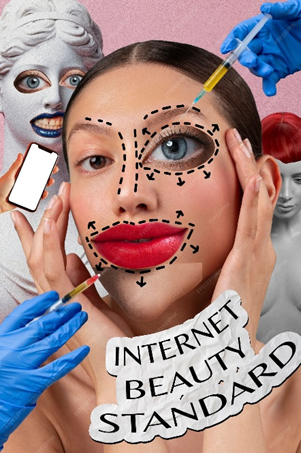
While The Kardashians can promote harmful beauty standards and lifestyle ideals, it also mirrors the complex reality of identity formation in today’s society, where online performance and self-branding are at the forefront of social interactions. Reality TV reflects the modern obsession with curated identities and explicitly exposes how peoples’ lives are often unrealistic and edited to produce highlight-reels that can be monetized for entertainment purposes (Blitvich & Lorenzo-Dus, 2013). Yes, The Kardashians perpetuates harmful ideals and stereotypes, but in doing so, it also highlights the importance of realism and authenticity for viewers (Yılmaz & Derman, 2023). It is a double-edged sword which can be harmful, but can also act as motivation and inspiration when viewed with a critical perspective. Even moments that appear ‘authentic’ are often carefully manipulated and constructed to fit a certain narrative or boost entertainment value. When viewed passively, this can act as an illusion that teaches viewers what is desirable or aspirational, but if it is viewed with a critical eye, it can provide valuable inspiration and a form of engaging entertainment (Blitvich & Lorenzo-Dus, 2013). This duality is important to recognise, as it demonstrates that reality TV has multiple purposes and doesn’t fit into one specific purpose category.
https://img.freepik.com/premium-photo/cybersickness-collage-composition_23-2151325915.jpg?w=2000
The mental impact of these glorified beauty ideals and unrealistic lifestyles can be significant for younger audiences navigating their own offline and online identities. Researchers in the Department of Communication Studies at Kent State University have highlighted strong links between the exposure to curated media content and prevalent issues like social comparison and negative body image (Egbert & Belcher, 2012). Constant exposure to these ‘ideal’ lives and ‘perfect’ bodies can create subconscious pressure for viewers to live and look a certain way, and reinforces the idea that the key to success and happiness is based on wealth, beauty, and popularity (Egbert & Belcher, 2012). On the other hand, this curated entertainment can also encourage audiences to better themselves, strive for their goals, and manifest their dream lives; emphasizing the fact that the effects of reality TV are not purely negative, and not just beneficial either.
Ultimately, the impact of reality television comes down to media literacy, critical engagement, and the viewer’s ability to differentiate curated content from realistic life. Audiences who are aware of the performative, dramatised, and heavily curated nature of shows like The Kardashians are better equipped to enjoy the entertainment of this form of television, without internalising unrealistic ideals and idolizing unrealistic appearances or lifestyles (Blitvich & Lorenzo-Dus, 2013). By recognising the show’s need for heavy editing and curation in order to receive views and achieve monetisation, the viewer can separate the entertainment value from the realities of ‘normal’ life (Yılmaz & Derman, 2023). Crystal Abidin argues that celebrities and reality TV stars exist in a space that lies between authenticity and curated performance, and the beneficial or harmful effects of this media exposure is determines by the viewers consumption habits and media awareness (Abidin, 2018). This notion perfectly describes the most appropriate and beneficial approach to viewing a TV show like The Kardashians.
The influence of reality TV shows like The Kardashians extends beyond the screen as it shapes viewers perceptions of beauty, success, identity, and happiness, highlighting the dual-nature of this form of media. It reflects contemporary society’s obsession with curated self-presentation and emphasises the importance of harnessing media literacy to view this content as aspirational rather than realistic (Yılmaz & Derman, 2023). On one hand, The Kardashians promotes unattainable beauty standards, unhealthy lifestyles, and materialistic consumerism to its young, impressionable viewers. On the other hand, it can provide motivation, empowerment, and entertaining escapism when audiences critically engage with the content, rather than passively viewing. Therefore, the impacts of reality television are not purely harmful or beneficial, it simply depends on the viewers ability to recognise the heavily edited and aesthetically curated content, and differentiate it from reality (Abidin, 2018). By fostering media literacy and engaging critically with reality television, viewers can understand its complexities, enjoy its entertainment value, and find meaningful lessons in the importance of prioritising authentic happiness, not derived from materialistic or superficial validation.
Reference List:
Abidin, C. (2018). Internet Celebrity: Understanding Fame Online. Emerald Publishing Limited. https://doi.org/10.1108/9781787560765
Barker, A. B., Scott, C. L., & Sharpe, E. E. (2025). A content analysis of alcohol imagery in season 2 of The Kardashians. Journal of Public Health, 33(10), 2299-2303. https://doi.org/10.1007/s10389-024-02198-y
Blitvich, P. G.-C., & Lorenzo-Dus, N. (2013). Reality television: a discourse-analytical perspective. In N. Lorenzo-Dus & P. G.-C. Blitvich (Eds.), Real Talk: Reality Television and Discourse Analysis in Action (pp. 9-23). Palgrave Macmillan UK. https://doi.org/10.1057/9781137313461_2
Brooks, D. N. (2017). The Kardashian Effect: The Impact of Selfie Culture on Millennial Women (Publication Number 10620602) [D.Sc., Robert Morris University]. ProQuest One Academic; Social Science Premium Collection. United States — Pennsylvania. https://www.proquest.com/dissertations-theses/kardashian-effect-impact-selfie-culture-on/docview/1951300207/se-2?accountid=10382
BTWeekly. (2019). Forbes Names Kylie Jenner The Youngest “Self Made” Billionaire At 21, Which Is “A Nice Pat On The Back”. B & T Weekly. https://www.proquest.com/trade-journals/forbes-names-kylie-jenner-youngest-self-made/docview/2188496363/se-2?accountid=10382
Denton, A. (2023). The Cost of Looking Good: How Fashion and Trend-based Consumerism Impact the Economy, Law, and Environment. Indiana Journal of Global Legal Studies, 30(2), 363-389. https://www.proquest.com/scholarly-journals/cost-looking-good-how-fashion-trend-based/docview/3156198134/se-2?accountid=10382
Egbert, N., & Belcher, J. D. (2012). Reality Bites: An Investigation of the Genre of Reality Television and Its Relationship to Viewers’ Body Image. Mass Communication and Society, 15(3), 407-431. https://doi.org/10.1080/15205436.2011.583545
Hunter, N. (2022, 2022 Mar 25). Kim Kardashian Wants To Start ‘A Successful Law Firm’ Just Like Late Dad Robert. Hollywood Life. https://www.proquest.com/magazines/kim-kardashian-wants-start-successful-law-firm/docview/2643083537/se-2?accountid=10382
Jones, M. (2024). The Kardashians: citizens of surplus. Citizenship Studies, 28(1), 100-117. https://doi.org/10.1080/13621025.2024.2348870
Paul, T. (2025, August 17 2025). Hospital Bandages: The New Hot Beauty Trend? https://wotw.netstudies.org/2025/08/17/hospital-bandages-the-new-hot-beauty-trend/
Sood, A., Quintal, V., & Phau, I. (2017). Keeping Up with the Kardashians: Consumers’ Intention to Engage in Cosmetic Surgery. Journal of Promotion Management, 23(2), 185-206. https://doi.org/10.1080/10496491.2016.1267677
Todisco, E. (2021, 2021 Dec 09). Kourtney Kardashian Claps Back After Fan’s Plastic Surgery Accusations: ‘Um, Thanks’. Hollywood Life. https://www.proquest.com/magazines/kourtney-kardashian-claps-back-after-fan-s/docview/2608262665/se-2?accountid=10382
Yılmaz, O. C., & Derman, G. S. (2023). The reality paradox: controversies, reflections, and responsibilities. International Journal of Social and Economic Sciences, 13(1), 32-45.
 Guan QiuYu
  REN Ren
  Tan Kane