
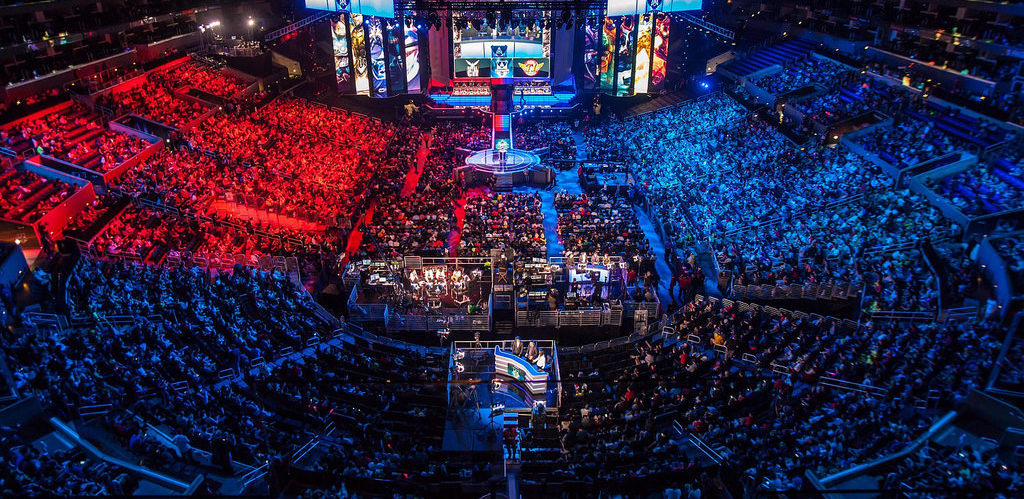
Competitive gaming also known as esports has rapidly evolved from a niche pastime into a global phenomenon drawing millions of players and viewers worldwide. This rise has started an ongoing debate about its impact on mental health. On one side, supporters are saying that competitive gaming provides multiple cognitive benefits through engaging in complex digital environments that players can strengthen their strategic thinking and improve quick decision making while sharpening their problem solving skills that are highly valued beyond the gaming world. Esports can create teamwork, communication and adaptability particularly in multiplayer formats where success relies on heavy coordinated pressure. Meanwhile, critics have stated the psychological costs of competitive gaming which may outweigh the benefits. The intense training schedules, constant competition and pressure to perform can lead to stress, sleep disturbances and even burnouts. Also excessive gaming has been linked to problematic behaviour such as addiction, aggression and social isolation. As esports continue to expand, it is crucial to find the potential of both the benefits and the risk to mental wellbeing allowing a balanced understanding of its overall impact.

Supporters of competitive gaming have argued that it offers a strong wide range of cognitive social and cultural benefits that extend beyond the gaming world. One of the most frequently highlighted advantages is the enhanced mental skills such as reaction time, strategy and decision making. Research has shown that expert players in esport titles like League of Legends (LOL), Dota 2 and first person shooters consistently demonstrate superior abilities compared to amateurs including faster response time under pressure, sharper peripheral perception and improved motor planning. These findings show the structured high intensity nature of competitive gaming which can sharpen essential cognitive motor skills in ways similar to traditional sport training. With the addition of individual skill development, competitive gaming also helps build a community bridge both for online and offline. Online and offline platforms provide players with opportunities to form teams, collaborate and also engage in shared experiences. These communities usually extend through cultural and geographical boundaries allowing new friendships and social networks to be created based on common interest and teamwork. The recognition of gaming as a legitimate sport has elevated cultural significance. Esport events are now huge and attract a massive amount of audience both in stadium and through live streaming platforms. With global tournaments rivaling traditional sports in terms of viewership and sponsorship. This legitimisation not only provides players a professional career. Overall, supporters offer a wide range of benefits that competitive gaming can offer meaningful cognitive training, creates a sense of belonging and has a place that is known as a sport with cultural movements.
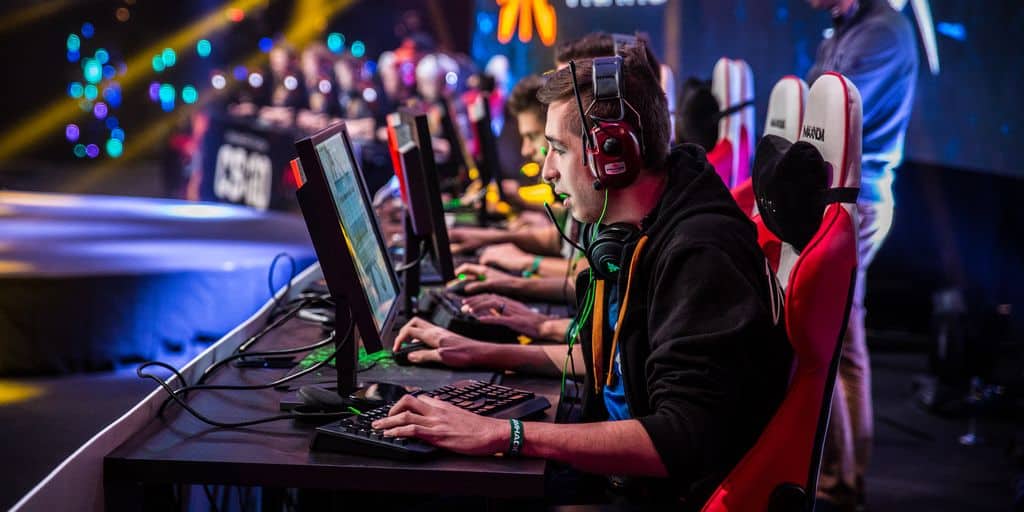
Others claim that competitive gaming has serious concerns regarding its impact on mental and physical health. One of the most pressing issues is the risk of anxiety, depression and addiction which can appear from constant pressure to perform and win. The grind is common in esports based on long training hours and repetitive practices which has been linked to burnouts which is a state of emotional exhaustion, reduced motivation and diminished effectiveness which threatens both mental health and career longevity. Toxic behaviours also pose a threat. Exposure to harassments or negative in-game interactions has been associated with higher stress and depressive symptoms particularly to those who are already under immense pressure. With these long gaming sessions, it can intensify loneliness and social isolation especially with a drive through obsessive passion or coping methods. From a physical health perspective, excessive play often disrupts sleep patterns reducing both quantity and quality. Research shows that poor sleep schedule can impact cognition and in game performance while prolonged fatigue may linger even when gameplay ends. Esport professionals who frequently endure intense and rough training schedules are especially vulnerable to fatigue, musculoskeletal strain and poor overall health. Despite the evidence for interventions such as structured rest, physical activity and sleep education, many players still lack the awareness or access to resources that provide a healthy habit. While critics argue that esports can lead to an unhealthy mental and physical wellbeing, it is urgent to provide a balanced pros and cons performance to these players.

Both sides of the debate about competitive gaming make sense to me because I’ve personally seen how it can bring a range of potential benefits but also present some serious risks. From my own experience playing games competitively, I’ve noticed that competitive gaming can greatly enhance cognitive and motor abilities. My quick decision-making, reaction time, and strategic problem-solving skills have all improved through gameplay that demands focus, adaptability, and teamwork under pressure. I’ve also noticed that my concentration, hand–eye coordination, and multitasking abilities have gotten better which with those skills often carry over into my everyday life. Another major benefit I’ve experienced is the social aspect of competitive gaming. Working with teammates, communicating effectively, and striving toward shared goals helped me develop a real sense of belonging. I built strong friendships and communities, both online and offline, during my time on gaming teams. However, I’ve learned that these benefits aren’t always universal as they depend a lot on how gaming is approached. Maintaining moderation and self-control is absolutely essential. When I balanced my gaming with enough rest, physical activity, and social interaction, I rarely faced any negative outcomes. But when I pushed myself too hard, playing excessively and competitively without boundaries, I ended up experiencing the downsides firsthand like fatigue, stress and loss of sleep. I burned myself out trying to improve, which taught me the importance of managing gaming habits carefully. While competitive gaming can be incredibly rewarding and enjoyable, it needs to be handled responsibly to prevent its harms from outweighing its benefits. From what I’ve read and felt personally, research supports these observations. Prolonged or intense gaming especially when it exceeds three hours of continuous play a day can have several negative physical effects. Extended screen exposure and repetitive movements can strain the body, causing eye fatigue, dryness, and difficulty focusing after long sessions. I’ve personally experienced tension headaches, smaller neck and back pain, and wrist discomfort from poor posture and repetitive motion during gameplay. Over time, this kind of strain can even lead to musculoskeletal issues, such as overdeveloped flexor tendons from constant finger and wrist movements. I’ve also learned that long periods of sitting while gaming can hurt vascular health. Staying sedentary for too long reduces circulation and increases the risk of poor vascular function. Some studies even show that excessive gaming can cause structural brain changes like increased grey matter volume in areas responsible for motor control and visual processing which might reflect overuse rather than healthy development. These findings make me more aware of the lasting physical consequences that can come from overdoing it, even in an activity that requires so much precision and skill. The psychological effects can be just as troubling. Spending long hours immersed in competitive gaming environments has sometimes led me to experience emotional and behavioural struggles like anxiety, burnout, and even mild addiction. The constant pressure to win and maintain high rankings can easily create unhealthy mental stress. I’ve caught myself becoming overly preoccupied with gaming, sometimes putting virtual success ahead of my relationships, education, and other responsibilities. Looking back, I recognise that as an early sign of problematic gaming behaviour where I would waste most of my time on a single game, chasing improvement while neglecting balance.
Empirical evidence strongly reinforces these concerns, revealing a clear link between the intensity of gaming and the severity of mental health challenges experienced by players. Heavy or frequent gamers are considerably more likely to develop symptoms of psychological distress compared to light or casual gamers, primarily due to the extended exposure to competitive stress, emotional fatigue, and social isolation that often accompany long gaming sessions. For instance, studies have shown that 24% of heavy gamers reported persistent gaming-related thoughts or preoccupation meaning that gaming occupied their mind even when not actively playing while this figure dropped to just 10% among casual players. This significant gap highlights how frequent engagement can blur the boundaries between leisure and dependency. The data becomes even more concerning when considering physical manifestations of these mental health issues. Approximately 7.5% of children and 8.7% of young adults have reported seeking medical assistance for gaming-related problems, with the vast majority being heavy gamers around 80% of children and 73.7% of young adults. Such statistics suggest that excessive gaming behaviours are not limited to emotional strain but can escalate to levels that require professional intervention. Prolonged exposure to competitive gaming can further worsen sleep deprivation, irritability, social withdrawal, and obsessive-compulsive behaviours, all of which can negatively influence academic performance, social relationships, and emotional stability. Over time, this persistent psychological strain can hinder cognitive development, especially in adolescents whose emotional regulation and coping mechanisms are still maturing. Without appropriate self-regulation strategies, social support, and awareness programs, heavy gaming has the potential to transform from an enjoyable hobby into a significant mental health concern. While competitive gaming offers clear advantages such as enhanced decision-making, quicker reaction times, and improved strategic thinking, maintaining these benefits in the long term requires a sustainable balance between performance and personal health. Many esports players face intense psychological and physical pressures from prolonged training, high competition demands, and a constant drive to win. transitioning from highly competitive gaming to a more casual gaming approach can promote better sustainability and overall well-being. Casual gaming allows players to retain the cognitive and social benefits of gaming such as improved focus, teamwork, and community engagement without enduring the severe stress and health consequences associated with excessive play. Adopting moderate gaming schedules, incorporating regular physical activity, practicing mindfulness, and ensuring sufficient sleep can help players maintain both their mental and physical resilience. By reducing the intensity and frequency of gaming sessions, players can strike a healthier balance between recreation and recovery. Ultimately, shifting from a purely competitive mindset to a more balanced, casual engagement not only enhances enjoyment but also ensures long-term sustainability, allowing gamers to benefit from their passion without compromising their health or quality of life.
In conclusion, competitive gaming has become a huge part of modern entertainment, offering both good and bad effects on players. On the positive side, it helps develop useful skills such as quick thinking, decision-making, strategy, and teamwork. It also builds friendships and online communities where people can share their passion for gaming. However, when gaming becomes too intense or time-consuming, it can cause serious health problems. Playing for more than three hours a day has been linked to eye strain, back and wrist pain, and other physical issues. Mentally, heavy gamers are more likely to struggle with stress, depression, addiction, and lack of sleep. To make gaming healthier and more sustainable, it’s important to find balance. Moving from highly competitive play to more casual gaming can help players enjoy the positive side of gaming without the harmful effects. By setting time limits, taking breaks, staying active, and keeping a healthy routine, gamers can continue doing what they love while protecting their well-being.
 Guan QiuYu
  REN Ren
  Tan Kane