
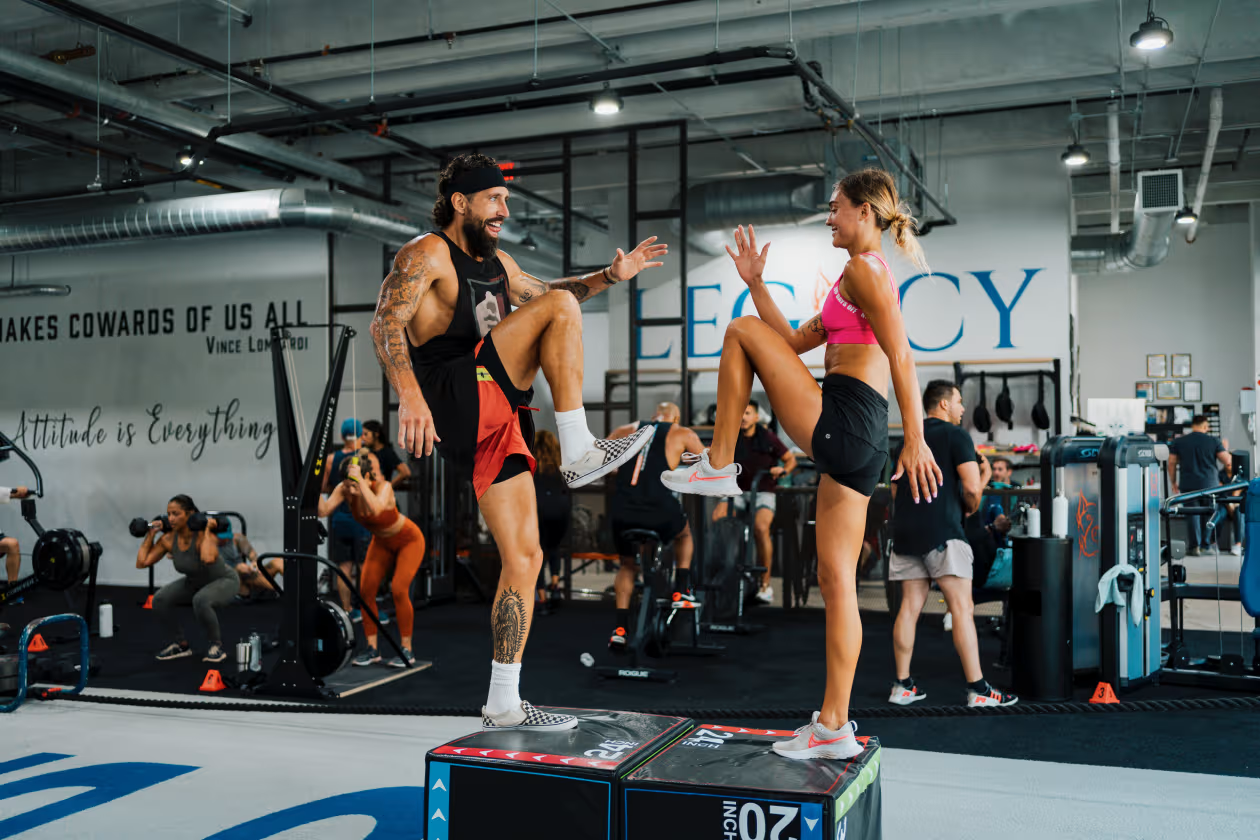
It is no secret that Gen-Z has adopted a heightened interest in health compared to previous generations, but their ability to distinguish genuine advice from personal selling is lacking. With the emergence of run clubs, fitness challenges and health-tracking wearables, it seems young people cannot get enough of the ever-growing fitness pandemic. The shift from seeing exercise as a way to improve your overall health to a new way to prove yourself better than others is a concerning move being played out amongst Gen-Z. It’s no surprise then that the cause behind this change is, as expected, social media, which has become critical in pushing these trends and ideals out to their audiences. However, is this resulting in a lifestyle of hyper-productivity and overworking themselves, or setting them up to live one of the healthiest lifestyles practised by human beings to date? But in noticing that over 30% of the generation reported regularly working out, compared to 15-25% of adults, it is evident that amongst young people this trend may be more than a passing fad.
As is expected in a modern age, the push for an ever-healthier lifestyles has been coupled with the commercialisation of health. Buying an array of supplements, expensive running shoes for the local 5K or matching workout sets to accompany every gym visit has been set as the new norm for anyone wanting to become involved in the fitness industry. When this becomes the baseline seen across social media, it begs the question: Do you want to improve the health of your viewers or just collect your commissions? This has made it difficult to gauge whether the lifestyles being pushed, think 75-Hard style challenges, look to improve one’s fitness or just their perceived image on social media. In this way, the need to constantly put the best version of yourself forward, especially online, has affected how Gen-Z interacts with the ideas of health and wellbeing. This journey towards self-improvement has become less of a personal gain and more of a social badge of honour.
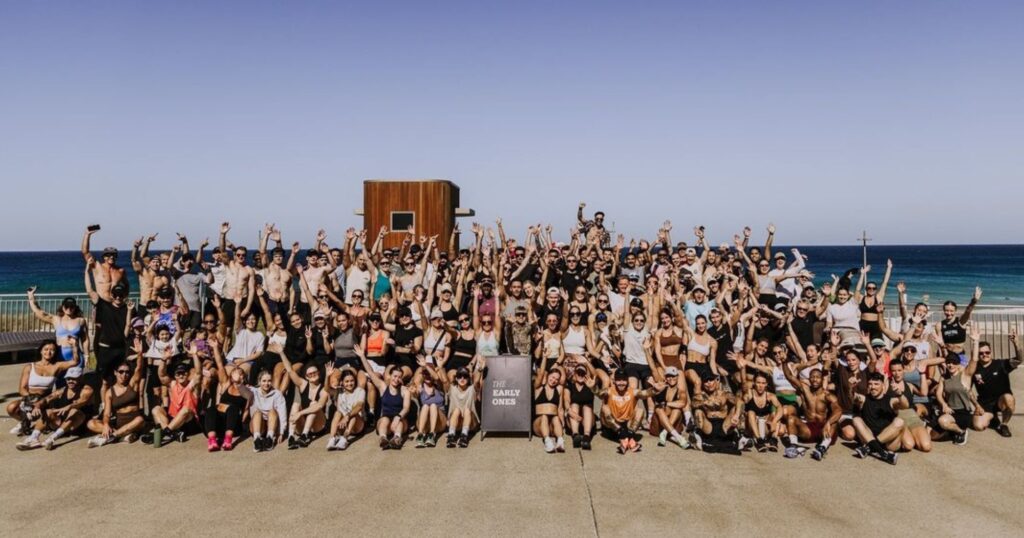
It is important to recognise how the establishment of social media and its relationship with the fitness world can negatively impact the lives of young people. This has manifested as an ‘overexercise epidemic‘, where a person may feel guilty if they have not exercised, continue working out even when injured or find themselves prioritising exercise over other social or professional commitments. This is particularly prevalent in fitness challenges made popular by ‘gymfluencers’, which can involve extended periods of time where working out is required daily, with no rest time provided for your body. The skewed perspective fed to viewers of success stories for these kinds of trends neglects the possibility that the whole truth is not being shared, that the challenge requirements were not always being adhered to, and the age-old theory that not everything you see on social media is true. It then becomes unhealthy when young people attempt these unrealistic challenges and risk injuring themselves in pursuit of bodies and lifestyles that do not exist after the video stops recording.
A report published by the Journal of Psychiatric Research in 2021 identified a link between problematic internet behaviour and eating disorders and heightened excessive exercise behaviours amongst 639 young adults. The study explored how high internet usage, such as on social media, had a direct correlation with the prevalence of eating disorders and over-exercise symptoms. This invites the assumption that it is social media that is causing health disorders amongst the younger generation, leading to negative and potentially harmful behaviour.
In line with health becoming commercialised, this unhealthy over-exercise trend has seen a steady rise in the marketing of steroid use to young men on the internet. The idea of masculinity has always been closely tied to physical appearance. Now, with the use of social media, anabolic steroids, human growth hormones and ‘off-label’ medicines have been promoted as a quick fix to achieve larger physiques. Due to a lack of transparency, influencers promote their bodies as being achieved naturally, through diet, vigorous exercise, and potentially using a product they are selling, which negatively influences impressionable young men. Normalising these physiques like these is harmful to young people’s mental wellbeing and ideas surrounding their ideal body type, which can result in damaged organs or bodily harm.
Understanding how the age of the internet has affected its users is vital to figuring out the best course of action to reduce its negative impacts. The fitness propaganda dished out by every other gym-based content creator has proved harmful to the very communities they are trying to uplift. Commercialising the space has made it easier to promote unrealistic body standards and fitness regimes through the guise of a trainer-provided workout plan. Through allowing uneducated people on the internet to sell programmes to the naïve and uninformed, injury becomes much more likely.
However, increasing the number of Gen-Z in gyms is not the only health-oriented trend the generation is exhibiting. A sharp decline in alcohol consumption rates and adopting a more nutritional diet, such as one prioritising protein and fibre intakes, are other ways this generation is looking to improve their future wellbeing.
A study released by the Agriculture and Horticulture Board measured the percentage of adults against 10–22-year-olds on how much importance they place on their diet and saw that the groups were on par with each other for most of the options. Despite younger people lacking information about different diets and control over what they eat, compared to adults, they still maintain a degree of importance over what they consume. The rise in the abundance of ‘protein-packed’ products at grocery stores aligns with what the study found, which was that Gen-Z are more likely to be concerned about the amount of protein in their food as opposed to the salt, sugar and fat, which have commonly been the biggest cause for concern. This generation is also seeing a return to prioritising red meats and dairy as a part of a healthy diet, rejecting the popularity of vegan and vegetarianism in the 2010s. A reduction in the regular consumption of alcohol has also been regularly discussed as an indicator of Gen-Z’s search for a healthier lifestyle. A 2023 Gallup poll revealed that in the last two decades, the number of people aged 18 to 34 who drink is down 10 per cent, as opposed to those over 55, which has risen by the same amount. This comes from a better education on the impacts of prolonged alcohol consumption as well as a shift towards prioritising mental health.

As a greater number of young people turn away from drinking alcohol, so too do they shy away from bars and nightclubs. With fewer people considering a pub or bar as a place to gather socially, Gen-Z looks to third spaces, though they are few and far between. It’s no secret that this idea of a place that is not work or home, these third spaces, are disappearing rapidly. As society becomes increasingly obsessed with productivity and status, and the cost of living continues to rise, many of these spaces disincentivise extended visits. Coffee shops that do not offer free Wi-Fi, clubs with high entry fees and cinemas offering tickets starting from $20 are all ways it is becoming difficult to spend time with people without taking on a financial burden. For Gen-Z, gyms are filling that hole. As a generation that spends unprecedented amounts of time on their phone, the gym offers a place outside the virtual world to meet new people and socialise. Fitness is becoming a non-negotiable for young people regarding physical and mental health. This emphasises the role fitness is playing in the lives of young people. As one of the least social generations to date, experiencing an ever-increasing loneliness epidemic, and with unhealthy options becoming increasingly available, now more than ever, it is vital for Gen-Z to find time to focus on their health.
Unlike most of the advice you’ll see from gymfluencers, with fitness, moderation is key. Though I am no physical therapist, as someone who has completed two cycles of 75-Hard and her fair share of half-marathons, I feel educated enough to speak on how social media has impacted my relationship with fitness. The focus on hyper-productivity is something that I have adopted in my daily routine with university, my three jobs, and training six days a week; being busy is not a one-off, it is the norm. Undoubtedly, social media has been a central contributor to my newfound dedication to health and fitness. Working even while sick or injured is something I find myself doing regularly under the excuse of ‘I have too much on to rest for a few days’. This mentality has led to prolonged illness and poor mental wellbeing, and I consider the fact that this could have been avoided had I not been fed fitness content online.
However, this experience is not unique to me. It is becoming increasingly common to see non-professional athletes push themselves past their breaking points to achieve success, such as the boyfriend at Sydney Hyrox who left his girlfriend twitching on the floor so that he could finish the race. Though this is rare, the dangers of normalising pushing through injury or sickness are real for people who are not skilled in their field. Despite the extreme risks and side effects of overworking the human body, this trend shows no sign of disappearing anytime soon. While companies continue to profit from selling unnecessary supplements or overhype the need for protein in every morsel of food, there is no reason for them to stop. Brands are seeing extreme increases in profits as health becomes commercialised, such as the UK clothing brand Gymshark, making US$484 million from online sales in 2024. The industry has become too successful for companies to start pushing for moderation and prioritising consumer wellbeing over the power of their wallets.
Gen-Z actively pushes for a better fitness climate through their interactions with gyms. In the past, large commercial gyms made most of their revenue through members paying fees while not visiting the facility. For example, Planet Fitness, a large commercial US gym, has roughly 6,500 members registered at each gym, even though it can only hold 300 patrons simultaneously. Reportedly, only around 60% of their members did not visit the gym over 30 days, but because of the small membership fee, they do not see the value in taking the effort to cancel them. This trend is exempt from Gen-Z, who see attending the gym as having a social and mental benefit on top of the obvious physical health value. This change in a generations-long trend is forcing commercial gyms to rethink their business structure to accommodate better members using the facilities they are paying for instead of wasting money in this high-cost-of-living economy.
Like most advice gained from social media, caution is advised. Unlike older generations, Gen-Z is more used to the constant pushing of notifications, commercialism and trends. But when it comes to sifting through what information is actually beneficial, they start to struggle, leading to this unnecessary overload of advice. Mindlessly taking on this mammoth amount of information and advice about taking care of one’s body is not beneficial for anybody. In order to properly take on advice received from social media, fact-checking and considering your personal fitness experience and goals are required. For many years, gym culture has been vital to promoting healthy lifestyles and, more recently, social interaction between an increasingly lonely generation. For people who can exercise healthily, increasing their heart rate and sweating for a few minutes will never negatively impact health in the long term. Social media has helped extend the fitness industry’s reach to the younger generation of people addicted to their mobile devices, promoting physical activity in a world where highly processed food and the availability of food delivery are the norm.
On the other hand, getting overly invested in the culture of hyper-productivity and overexercise as a byproduct of social media usage can start to push the pendulum too far in the other direction. Harmful training regimes and constant competition with other social media users are leading to higher rates of eating disorders amongst young people and an ‘all or nothing’ mentality. The commercialisation of fitness at a time when prices are already skyrocketing in other areas of life is taking advantage of this social media echo chamber, which many young people find themselves a part of, and targets their insecurities compared to others on social media. Unfortunately, the future of the fitness industry looks to continue with this downward spiral of a trend, which will likely lead to more and more young people falling victim to social media culture. It would take Gen-Z adopting a more critical approach to the information they get from social media to force a harsh shift in this movement, forcing businesses and harmful creators to rethink their strategy and work to help save a generation rather than leave them with a broken relationship with fitness.
 Guan QiuYu
  REN Ren
  Tan Kane