
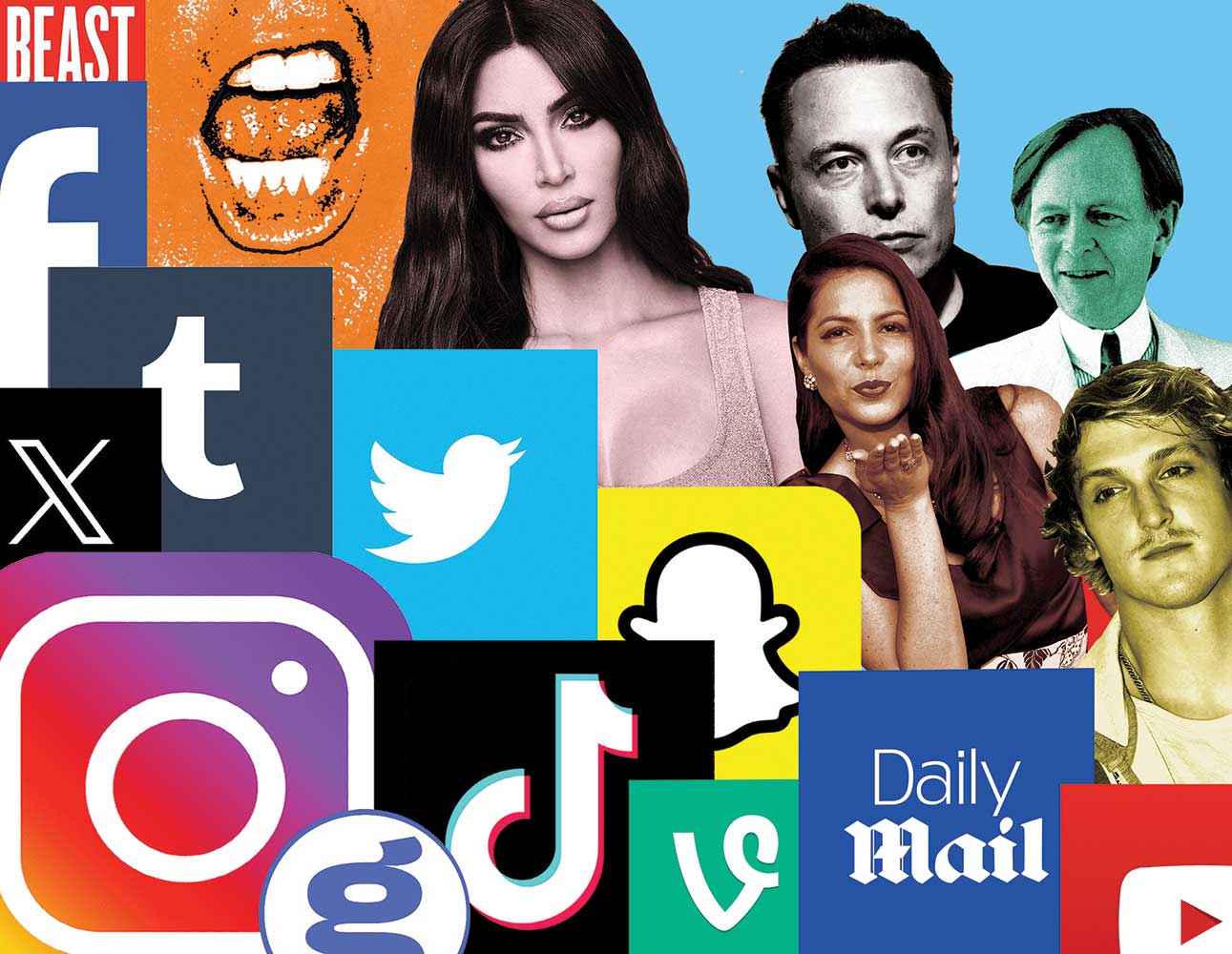
When I think of social media, I think, Instagram, TikTok, sharing memes, looking at garbage posts, and brain-rotting memes, obviously. When I think about it more, I realise how bad it is, even in moderation, and how it affects me. When I was in high school, I averaged maybe 4 hours of screen time. Now out of school, in Uni, and working 32 hours, I’m somehow managing 8 hours a day, yep, 8 whole hours. In perspective, last Thursday, I worked 4 pm-12 am, and I managed 9 hours on my phone, plus 8 hours of work, I spent 17 hours either working or on my phone, which leaves 7 hours for sleep, and I can’t even mention other productive activities, like study, basketball, making music, but no, apparently, I’d rather watch some brainrot rubbish and Lebron James memes on Instagram, such is life.
Sometimes, it makes me just sad. I was born in Australia in a lovely family. I’ve travelled to dozens of countries, eaten some of the craziest foods possible and yet here I am scrolling and scrolling, above everything ‘Oh! Instagram is boring. Study? Experience the world, Nah, TikTok? hell yeah! Instagram Reels? Hell yeah! And now maybe you’re thinking, well, you’re setting yourself up for failure with this stupid lifestyle, and you’re right, unfortunately. But I mean, everyone knows how bad social media is? But I think the main issue is how normalised social media addiction is. If I went up to you, the reader right now and told you that people now censor the words ‘job’ and ‘work’. if you’re older than Gen z you would think I’m crazy, but this is our reality. I went on a holiday up north for New Year’s at the end/start of this year, and we had this inside joke that we would just start scrolling on air; we had no reception or Wi-Fi, how tragic, I can see why the older generations are always complaining now, what are we doing.
Now, firstly, when we look at social media, it’s such a broad idea; some people only use it to specifically market something, like an artist. Or to market their own brand, such as a sports player or a content creator, whilst another person may use it to scroll through friends’ posts for a few minutes a day. There are so many different moving parts, different contexts, uses, and sites, TikTok, Facebook, Twitter, Reddit, Instagram, Limitless opportunities to procrastinate more! Unfortunately, it isn’t possible to cover and represent everything, so for the sake of the argument, we will stick to the average person, and all further references will be used accordingly for the argument. Now, let’s look at the numbers. Common Sense Media, a research program aimed at providing reliable data on many issues conducted an experiment with 1141 us teenagers, aged 13-17, earlier this year regarding social media use, and the results were concerning: 70% of interviewed kids felt left our or excluded when using social media, 43% have deleted social media posts due to receiving too few likes and felt bad about themselves if they didn’t receive likes or comments, and 35% reported cyberbullying, and oh, did I mention the average screentime was 7 hours and 22 minutes per day, and an incredible 4 hours and 44 minutes for kids, ages ranging between 8-12, only God knows how much of that screentime is even remotely monitored, talk about developing bad habits.
In Australia as a whole, in 2025, there were 26.1 million active internet users according to David Law, accounting for 97.1% of the population. Of this number, there were 20.9 million individual social media accounts, covering a substantial 77.9% of the population, but what does this mean? As I mentioned before, not everyone is just mindlessly scrolling; the internet and social media can be wonderful. The number of musicians, artists, and talents in the world that can now be seen is a wonderful thing. Researchers (Cao, Yu. 2019; Taborosi Et al 2022) have suggested there are strong indicators that show that social media can be useful in such markets as the workplace, factors such as improved problem solving, increased relevant knowledge and communication skills, in theory leading to better work performance, although in contrast, factors such as information overload conditions, family conflicts, exhaustion and mental issues, easily leading to symptoms such as stress, anxiety, depression, and fatigue. So the question stands, does social media do more harm then good?
When we think about the negative effects of social media, it’s clearly not good. But is it worth the panic? There is currently a massive list of countries with tightening laws against social media, think, China, Russia, Iraq, and even Australia has rules in place against under-16s from accessing social media. The whole government was even overthrown in Nepal as a result of the social media ban, with protesters claiming this was a result of corruption and censorship as opposed to actually helping the country.
It all started when many struggling citizens became enraged as the ‘nepo kids’ or the children of politicians were accused of flaunting unnecessary wealth on social media whilst many others still struggled, until the climax hit when a photo of Saugat Thapa, the son of the minister, standing next to a Christmas tree made entirely of designer boxes, such as Gucci, cartier, louis Vutton. With an already on-edge society, tempers hit the roof as Nepal only became a republic country in 2008, following a civil war killing 18000 people and since then, having 14 governments, of which none of them have completed a full 5 years in office. No one was happy. Leading towards the protests on September 8th, empowered by Gen Z, Thousands of young people flooded the streets, storming parliament and burning down offices, leading to the resignation of KP Sharma Oli.

Unfortunately, these deadly protests left 72 people dead. As the protests went on, it went from singing old songs and coming together, all the way towards arson, deaths, thieving and looting, leading to a total loss of $32.78billion AUD, roughly half of the country’s GDP. Sure, it’s not directly related to social media, but more so corruption, and the struggles faced in other countries, but this was all created through social media with AI as an easy way to express themselves, reaching hundreds of thousands of people in days, leading to the protests. It gives people a platform to freely speak on, regardless of whether this was a good logistical move or not, is irrelevant. In days, a bunch of people online single-handedly overthrew a whole government and elected another one, all online. But is it worth it? Would this have even happened if social media wasn’t going to be banned? Is it silently killing us? Dozens of buildings were burnt, and people were siphoning petrol from motorbikes to chuck at buildings before looting them. its a crazy time, and it’s all thanks to social media allowing everyone to be in the know, which I personally believe is the best part of social media. The easy ways to spread information in a way that protects everyone from exploitation and corruption, as word can travel so incredibly quickly. Everyone knows the astronomer CEO Andy Byron, who has essentially faced a digital death after 1 quick slip-up on social media went viral, now everyone and there mum knows about it.
Have you ever heard someone say that EVERYONE is depressed? I’m not sure about you, but I personally as a Gen Z person. I’ve heard this phrase so many times, and typically, the response is social media, but what’s it doing to people’s mental health? In the modern world of technology, where you essentially need some sort of social media to communicate, everyone is affected, whether we realise it or not. Hell, I even deleted Instagram last semester, and then my group members decided we HAD to use Instagram even after my objection. You just can’t escape it sometimes. 2025, ladies and gentlemen, can only imagine what the word will be like in the next 10 years, I’ll message my partner to marry me.
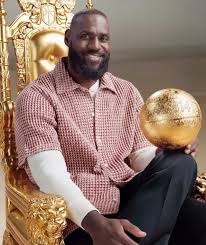
Last year, the American Psychological Association observed that in 1 in 4 Gen Z adults had more good than bad days in a month, and 2 in 5 had a diagnosed mental health condition, the 2 key conditions being Anxiety, with 9/10 diagnosed adults having it, and 8/10 having depression, an extremely disturbing number in a world moving so fast, and I believe this is in relationship to fomo, or Fear of missing out, which as the name suggests is the fear of not being included in an activity whilst others are having a lot of fun. It seems in our current society that essentially every social media post has been tailored in some way to convey an idea about one’s own identity. I, for one, am guilty. Why would I post the ugly photos or regular photos? When you look at my Instagram feed, you see photos of me with all my friends, out drinking, at a party, or at the beach, but is that who I am? Obviously not, but it’s so easy to post whatever you want, which ties back into the Fomo idea. Essentially, everyone tailors their social media account in a way to sort of glorify or create an idea about them for the viewer. Think about, say a basketball player, Lebron James. When you see his Instagram feed, it’s all photoshoots, him with other high-profile celebrities; there’s literally a photo of him sitting on a golden throne, holding a shiny golden basketball, and if you think about it for a second, he is a professional athlete, just imagine all the hours he spends training, conditioning, all the little roadblocks in his way, deaths, illness, whatever it is, he has worked his ass off non stop for literally over 30 years, just to be in the position, and sure it would be incredible to be a professional basketball player, buts there so much more. Now apply this theory to whatever you want. It’s not all cookies and cream, but how would you know? People will see a rapper or a sports player and think oh, I’m going to do this, but when it gets hard, is when people turn around and realise it’s not like what they see online, 1 way ticket to low self-esteem. Even in an everyday context, you’re sick and can’t make a party, and you see the photos online, and all of a sudden it seems like the coolest, most awesome party of all time, but you missed out, not going to be feeling great now.
So now when I come to think about it, and I’m unsure about you, but social media is cool and all, you know what? It’s great, you can connect with mates, connect with anyone, anywhere in the world, post this, post that. Is that assignment hard? Google it. I can stay connected with my favourite musicians, sports players, friends, and family, but at what cost? Is it the high rate of depression, or is it the slight chance to overthrow the government and then vote in a new one via Discord worth it? Who knows, but I know whatever it is, it isn’t great, and I think everyone should decrease the mindless scrolling. Middle finger to Aza Raskin for inventing the ‘infinite scroll’, all your fault, I start freaking out like an alcoholic when I cant scroll my Instagram feed.
 Guan QiuYu
  REN Ren
  Tan Kane