
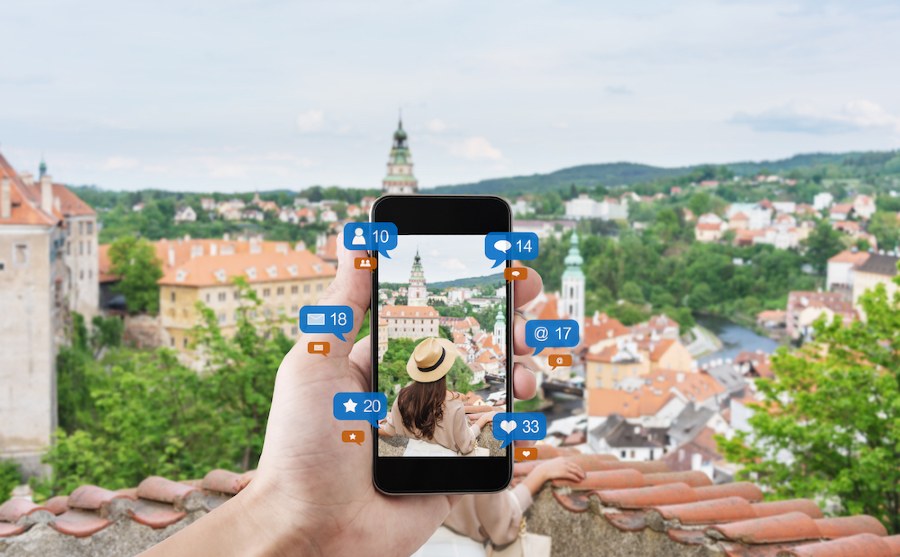
How do social media platforms such as Instagram and TikTok shape travellers’ perceptions of authenticity and influence contemporary travel behaviour
In today’s hyper-connected world, platforms like Instagram and TikTok have completely transformed how young travellers see, experience, and share the world. This shift reveals how social media now drives modern travel culture shaping where people go, how they represent those experiences, and what they value most about travel. Visually appealing content, short-form videos, and curated posts have redefined what counts as ‘authentic,’ often encouraging travellers to prioritise aesthetic appeal and “instagrammable” moments over deeper cultural experiences and/or local engagement. Where travel once centered on personal discovery and genuine cultural exchange, it is now based around digital storytelling, viral trends, and algorithmic visibility. As Bhinder (2025) notes ‘the line between inspiration and being told where to go has been blurred as algorithms have learnt to predict not just what travellers want, but who they want to be.’ Influencer marketing, user-generated content, and algorithm-driven feeds have further amplified this shift by spotlighting photogenic destinations and ‘hidden gems’ that align with social media aesthetics. TikTok’s that are posted such as ones specifically highlighting prime photo locations encourage this behaviour and attitude towards travel. (Paris.in.my.pocket, 2024)
As a result, authenticity has become a digital performance one validated through likes, shares, and engagement metrics rather than lived, spontaneous experiences. For Gen Z travellers, this development offers both opportunities for creative expression and challenges to rediscover meaning beyond a curated ‘photo dump’.
Social media’s influence extends beyond perception to tangible shifts in travel behaviour. Exposure to captivating images and viral videos often determines where people go, how they plan itineraries, and the types of experiences they pursue. Travellers increasingly engage in photography focused tourism and check-in culture, seeking destinations that promise both personal enjoyment and social media recognition. TikTok trends, for example, have turned once-obscure spots into major tourist attractions almost overnight, demonstrating how online visibility directly shapes global travel flows. However, this influence is not without consequence. While social media democratises travel inspiration and provides economic benefits to local communities, it also contributes to unrealistic expectations, over-tourism, and cultural commodification. Viral content can overwhelm fragile or more quiet destinations, disrupting local life and diminishing the very thing travellers seek. Ultimately, platforms like Instagram and TikTok have redefined modern travel by blurring the boundaries between authentic experience and digital performance. Understanding this dynamic is essential for travellers who wish to engage critically with online content and pursue more meaningful, responsible, and culturally sensitive forms of exploration.
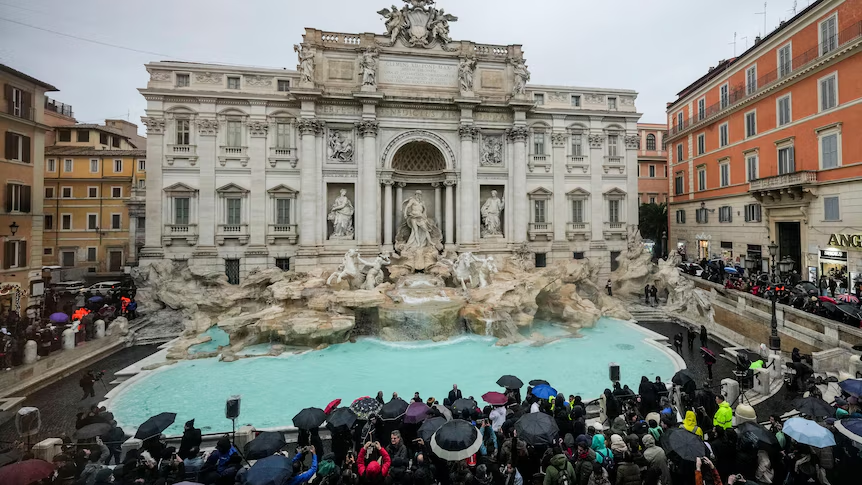
Platforms such as Instagram and TikTok have significantly redefined what travellers perceive as authentic by shaping expectations through digital storytelling and algorithmic visibility. In previous years, authenticity in travel was closely associated with spontaneous exploration, cultural immersion, and genuine engagement with local traditions, reflecting a search for meaningful and unmediated experiences within host communities (MacCannell, 1973; Cohen, 1988; Wang, 1999). Travellers sought what MacCannell (1973) termed ‘the authentic experience,’ emphasising direct interaction with local culture and everyday life rather than staged or created encounters. In contemporary travel, however, social media often negates those experiences through curated imagery, influencer branding, and performative self-representation. Influencers and content creators play a central role in this transformation, as their polished posts and videos frequently depict destinations in idealised ways that blend luxury with relatability. Hauerholt and Lehmann (2023) highlight that Instagram influencers significantly affect how travellers perceive both popular and emerging destinations, shaping expectations before a trip even begins. Similarly, TikTok trends contribute to the rapid spread of what is considered desirable or credible travel content, with Gen Z audiences especially sensitive to influencers’ portrayals of authenticity (Abdillahi Ali, Abdelhay, & Elezaj, 2025).
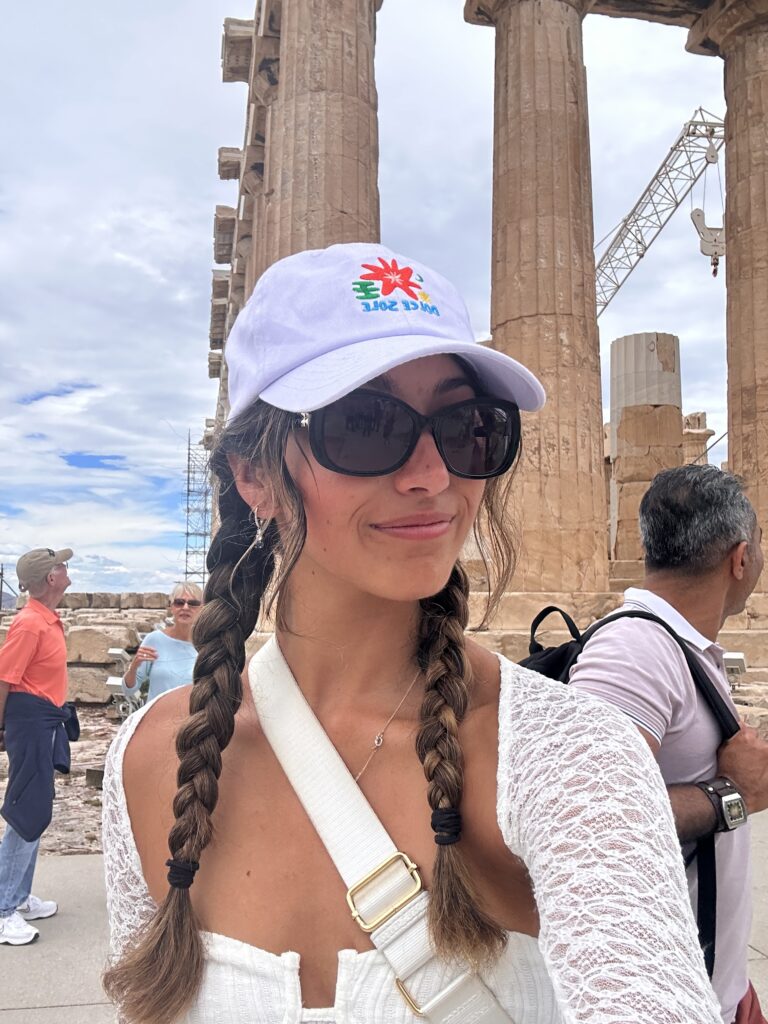
The rise of influencer culture also emphasises the performative aspect of travel, where experiences are curated not only for personal satisfaction but for social validation through likes, shares, and engagement metrics (Riaz Pitafi & Mumtaz Awan, 2024). This dynamic creates a feedback loop in which the visibility of content reinforces what is perceived as authentic, further narrowing the diversity of travel narratives online. Algorithms amplify this cycle by prioritising highly aesthetic, emotionally engaging content that often favours visually appealing destinations such as beaches, scenic viewpoints, or ‘local only spots’ that photograph well. Consequently, travellers begin to equate authenticity with visual perfection rather than cultural or historical significance. Additionally, the visual culture of social media encourages travellers to perform authenticity for their audiences, constructing experiences designed to appear genuine even when heavily staged.
The concept of ‘staged authenticity’, once used to describe tourist performances arranged for visitors, now extends to the digital realm, one where travelers themselves become performers in their own narratives. As a result, authenticity is no longer about cultural connection or thoughtful discovery but about alignment with online aesthetics and audience expectations. Social media platforms, especially those driven by visual storytelling, encourage individuals to curate their experiences for visibility and validation rather than genuine engagement. Travel becomes a performance of self-branding, where destinations are chosen for their photogenic qualities and moments are carefully edited to fit dominant digital trends. In this context, authenticity is both constructed and consumed, blurring the line between lived experience and its mediated representation
TikTok trends, for example, have turned once obscure local spots into viral sensations, drawing thousands of visitors eager to replicate the same video clips or photos that gained popularity online. This pursuit of shareable experiences transforms travel into a form of digital consumption, where meaning is derived from visibility rather than personal fulfillment. The distinction between the ‘real’ and the ‘represented’ becomes increasingly blurred, as travelers chase moments that look authentic rather than those that feel authentic. In this sense, social media produces a digital version of authenticity that is simultaneously constructed, consumable, and performative, a widely counterfeit experience where validation replaces genuine connection. The traveler becomes both the consumer and the product, curating an identity that aligns with algorithmic trends and audience expectations. The visual economy of likes, shares, and engagement metrics transforms personal journeys into public spectacles, where worth is measured not by introspection or memory but by digital resonance. Ultimately, platforms like Instagram and TikTok have not only reshaped how travelers define authenticity but have also reoriented the purpose of travel itself, shifting it from self-discovery and cultural appreciation toward performance, visibility, and algorithmic approval, a new kind of journey dictated by the logic of the feed.
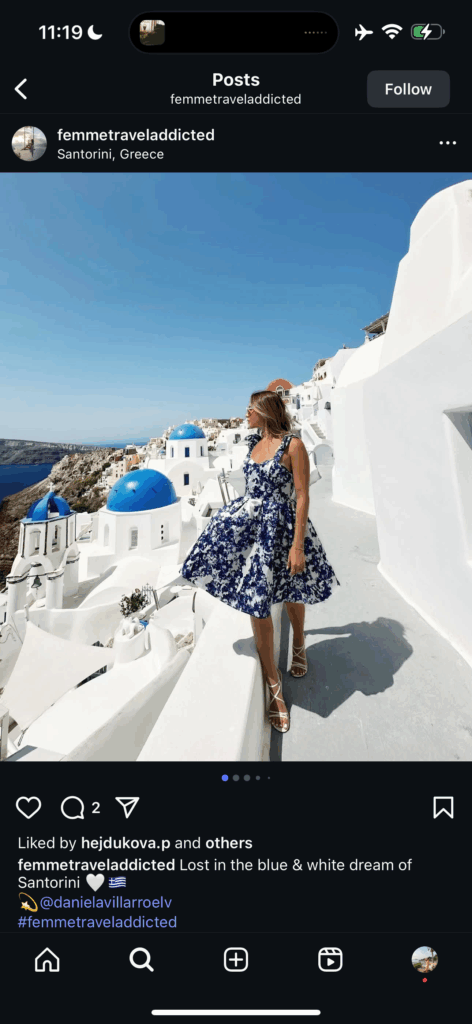
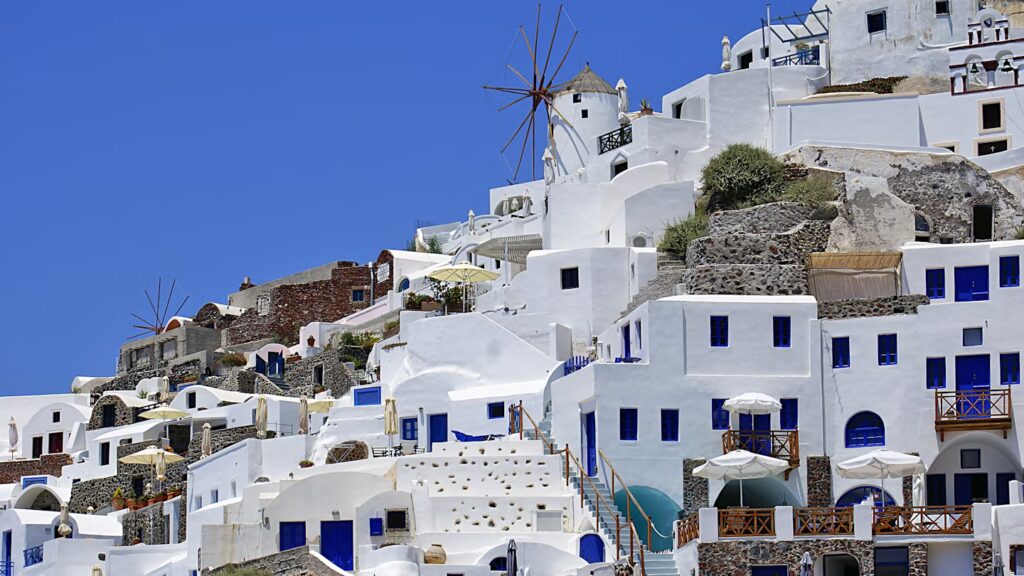
The impact of social media extends beyond perception into the concrete ways people plan, conduct, and reflect upon their travel experiences. Numerous studies have shown a strong correlation between social media exposure and travel decision-making, suggesting that platforms like Instagram and TikTok function as both inspiration engines and informal travel guides (Gaetaniello & Petrovská, 2024). Llodra-Riera, Martínez-Ruiz, Jiménez-Zarco, and Izquierdo-Yusta (2015) further demonstrate that social media content directly shapes tourists’ motivations and the image they form of a destination, influencing not only where they go but how they expect to experience it. Travellers often choose destinations that trend online, using hashtags, influencer itineraries, and viral videos as primary sources of information. This phenomenon contributes to what scholars describe as check-in culture, where documenting one’s presence at iconic sites becomes an essential part of the journey. As a result, experiences are often filtered through a camera lens, with travellers prioritizing photo opportunities over cultural engagement or environmental awareness (Megha & Almeida, 2024). Destinations such as Bali, Iceland, and Santorini illustrate this shift, as travellers increasingly visit specific landmarks for their social media potential rather than their intrinsic cultural or natural significance. Local tourism industries have adapted accordingly, developing ‘instagrammable’ attractions and tour packages (Forever Vacation 2025), photo zones, and influencer collaborations to appeal to this audience.
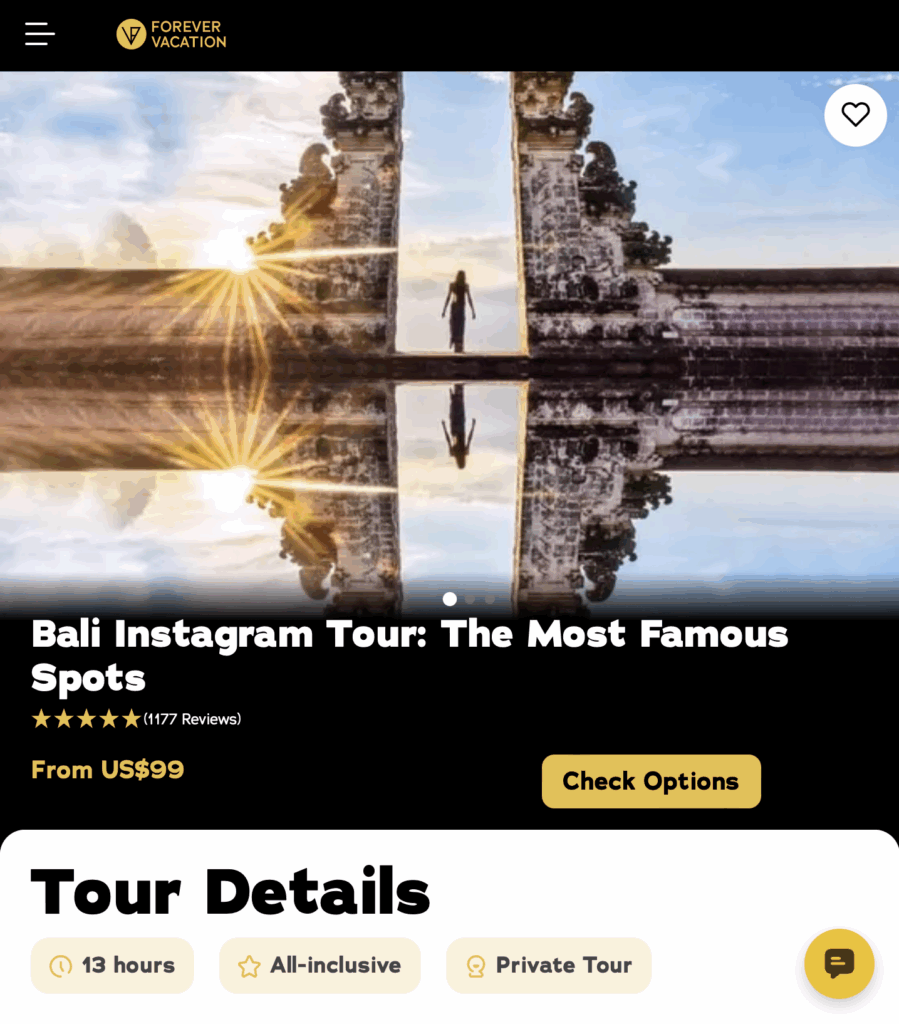
Although such practices drive economic growth and increase accessibility, they also encourage surface-level engagement, reducing travel to a sequence of staged moments designed for digital validation. Consequently, social media’s influence has reoriented contemporary travel behaviour from experiential discovery toward performative consumption (Gaetaniello & Petrovská, 2024; Llodra-Riera et al., 2015).
Social media has dramatically expanded access to global travel, inspiring tourists to explore destinations they may never have considered and providing economic opportunities for local communities. Platforms like Instagram and TikTok allow underrepresented destinations, small businesses, and local cultural experiences to gain international visibility, often revitalizing rural economies and supporting sustainable tourism initiatives (Marbun, 2025; Butler & Dodds, 2023). For example, locally owned guesthouses, cafes, and cultural tours can benefit from the influx of visitors drawn by viral content. However, this widespread exposure also generates significant challenges.
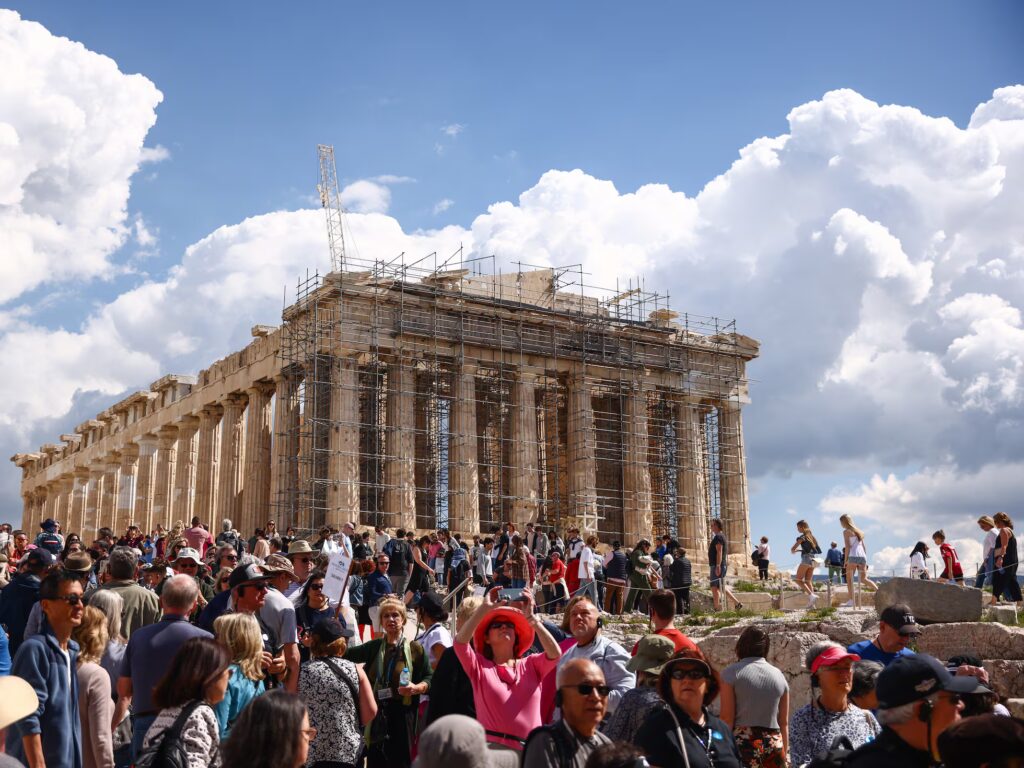
When destinations become viral trends, they often experience sudden surges in visitors that strain infrastructure, degrade the environment, and threaten cultural heritage (Milano, Novelli, & Cheer, 2019). The pressure to meet tourists’ expectations, shaped by curated online portrayals rather than demonstrating ‘raw self-expression, has made it a performance‘ (Molina 2025), which has led to communities commercialising traditions and/or staging ‘authentic’ experiences for social media audiences, ultimately diminishing genuine cultural engagement (Marbun, 2025; Butler & Dodds, 2023). Iconic examples include formerly quiet sites in Iceland, the Philippines, Japan, and Athens, where viral posts have contributed to over-tourism, overcrowding, and disruption of local life (Georgopoulou, 2024). Moreover, the focus on visually appealing content fosters unrealistic expectations, leaving travellers disappointed when reality does not match the curated images they see online. Consequently, while social media empowers both travellers and destinations, it requires careful management and critical engagement to balance economic benefits with the protection of cultural authenticity and community wellbeing (Milano et al., 2019; Butler & Dodds, 2023).
In the contemporary travel landscape, social media platforms such as Instagram and TikTok have fundamentally reshaped both perceptions of authenticity and travel behaviour. These platforms facilitate what travellers consider genuine, pushing visually appealing, curated, and shareable experiences over spontaneous exploration or cultural immersion. Influencer content, algorithm-driven feeds, and viral trends have all contributed to redefining authenticity as performative, validated through likes, shares, and digital engagement rather than personal fulfillment (Abdillahi Ali, Abdelhay, & Elezaj, 2025; Hauerholt & Lehmann, 2023; Riaz Pitafi & Mumtaz Awan, 2024). As a result, destinations previously unknown or overlooked can rapidly become global hotspots, while travellers increasingly plan itineraries and experiences based on online visibility, hashtags, and viral content, demonstrating the rise of check-in culture and photography-focused tourism (Gaetaniello & Petrovská, 2024; Llodra-Riera, Martínez-Ruiz, Jiménez-Zarco, & Izquierdo-Yusta, 2015; Megha & Almeida, 2024). While this digital mediation democratises travel and offers economic opportunities for local communities, it also introduces considerable challenges. Viral exposure can produce over-tourism, strain infrastructure, disrupt local life, and commodify cultural traditions, leading to experiences that are increasingly staged for social media validation (Marbun, 2025; Butler & Dodds, 2023; Milano, Novelli, & Cheer, 2019; Georgopoulou, 2024). Moreover, the emphasis on curated imagery fosters unrealistic expectations among travellers, often leaving them disappointed when reality does not match the idealised portrayals online. Ultimately, Instagram and TikTok have redefined modern travel by intertwining authenticity with digital performance and visibility. Understanding this dynamic is essential for travellers, tourism stakeholders, and local communities alike, encouraging critical engagement with social media content to promote meaningful, culturally sensitive, and responsible travel. By balancing the economic and inspirational benefits of social media with awareness of its potential drawbacks, travellers can navigate a landscape where digital trends and genuine experiences coexist more sustainably.
 Guan QiuYu
  REN Ren
  Tan Kane