
In summer, Australia’s holiday hotspots spanning from Noosa, Byron Bay and right down to Victoria’s Phillip Island are full of life with tourists and their beach bags. But when the suitcases roll out, neighbourhoods go dark and homes are sitting empty. Airbnb has turned paradise into a seasonal postcode, and the after-effects on local residents are long-lasting.
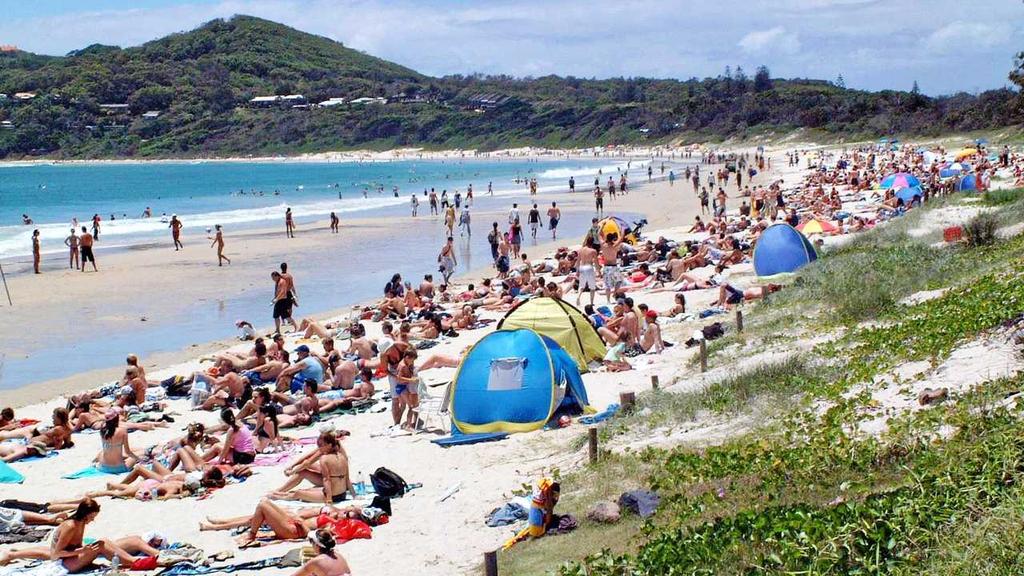
The beautiful bustling beaches of Byron Bay
Photographer: Doug Eaton (https://www.dailytelegraph.com.au/)
Australia is renowned for its beautiful coastal towns and beaches that come alive in the summer sun. Holiday makers enjoy our vibrant towns alongside the tight-knit communities who cherish and breathe life into these areas all year round. But across the nation, a new challenge is surfacing in our coastal communities with the rise of online accomodation. While tourists have enjoyed the quick click-to-book platforms like Airbnb, seasonal accomodation has created long-lasting consequences for locals. From coastal towns like Noosa in Queensland, New South Wales’ infamous Byron Bay and along the Bass Coast in Phillip Island near Melbourne, the impact of instagramable tourism is being felt widespread. Streets are empty in the off-season, with inflated rents pushing residents out of town. On the surface, Australia’s Airbnb boom is a success story of a global tech trend moving in, but in reality these coastal towns are struggling to find the balance between tourism and liveable communities.
From Air Mattresses to Property Gold Mines

Airbnb Founders: Brian Chesky, Nathan Blecharczyk, and Jor Gebbia
Source: https://startuptalky.com/airbnb-success-story/
Statistically, Australia has well and truly caught the Airbnb wave, with 195,236 active listings across the country right now. With a dollar value over $31 billion, according to Business Insider, since its launch in 2017, the platform has confidently cornered the short term holiday market. From the beginnings as a quirky air mattress to rent for university room mates, Airbnb has literally blown up to go on and became a global property phenomenon.
There is no question that one of Australia’s largest tourism areas are its beaches. Since the spike in Airbnb popularity, coastal towns have seen rapid growth in short- term accomodation bookings. Couple the ease of online booking with the scenic posts of social media, and tourism destinations have surged in popularity.


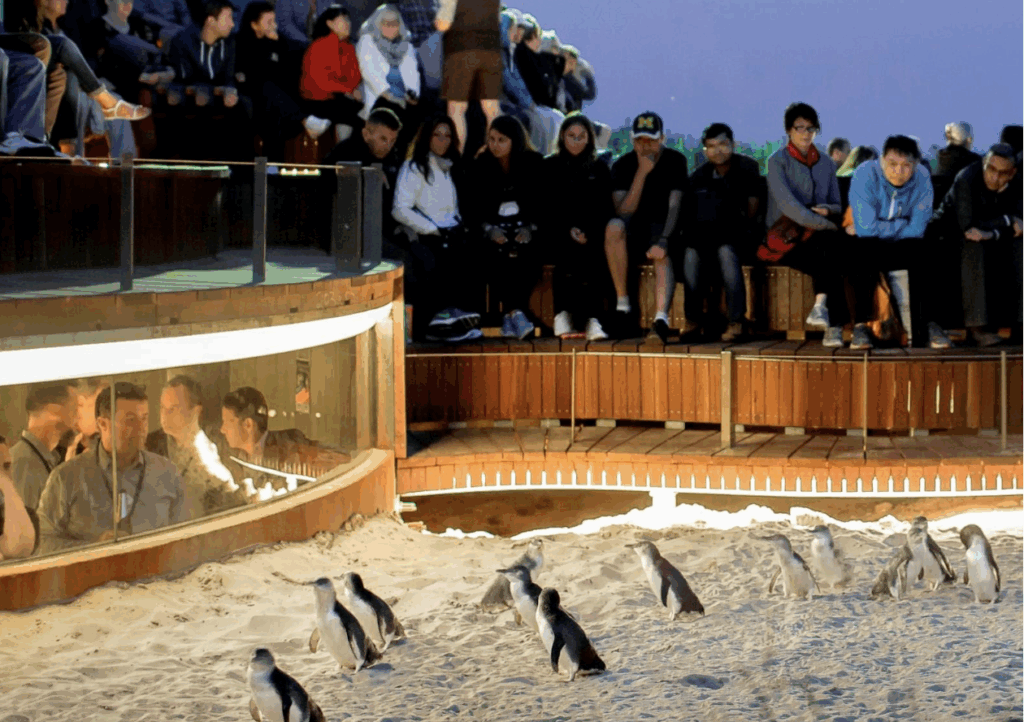
Noosa has gained a reputation for luxury escapes and classic bohemian vibes. Boutique resorts, wellness retreats, and pristine beaches attract holidaymakers seeking both relaxation and an Instagram-worthy experience. The town’s combination of leisure and small community charm makes it highly desirable, and investors have capitalized on the premium short term rental market. Byron Bay, meanwhile, carries a cultural appeal amplified by celebrity visitors. From internationally known musicians to actors, the town has become a lifestyle symbol, with surf, festivals, and cosmopolitan culture forming a vibrant backdrop. This notoriety has driven demand for short-term stays and allowed property owners to command top prices. Phillip Island, just a short drive from Melbourne, has a different drawcard: its natural wonders and family friendly attractions. The world-famous Penguin Parade attracts thousands of visitors annually. Short-term rentals allow tourists to stay close to these attractions, but they leave streets empty outside peak periods. Local families see neighbourhood life diminish during the off-season, while small businesses that rely on tourism to survive face fluctuations in revenue. Here, the tension is between tourism income and residential stability, with Airbnb tipping the scales in favour of visitors.
Towns for Tourists not Community
According to a report by the University of Sydney and the Australian Coastal Councils Association, nearly 18% of homes in Byron Shire are now short-term rentals. Noosa and Phillip Island are experiencing similar pressures. In areas where nearly one in five homes is used for holiday letting, these townships have literally become a social experiment with consequences for residents when the summer sun sets.
With quick income, inflated prices and tenant turnaround, investors are being drawn to short-term rentals as opposed to traditional housing rentals. And it’s no surprise why. Profit driven, with flexibility and tax advantages, most of the investors are absent in the community, rarely residing in the area. According to a Courier Mail report into rising tourism rental hotspots, landlords can earn up to 80% more from short-term rentals than comparable long-term rentals (Courier Mail, 2025). Airbnb contributes to local economies by bringing more visitors who spend money on restaurants, cafés, and attractions. But beneath this glittering attraction, the affects on local housing markets are hitting deep.
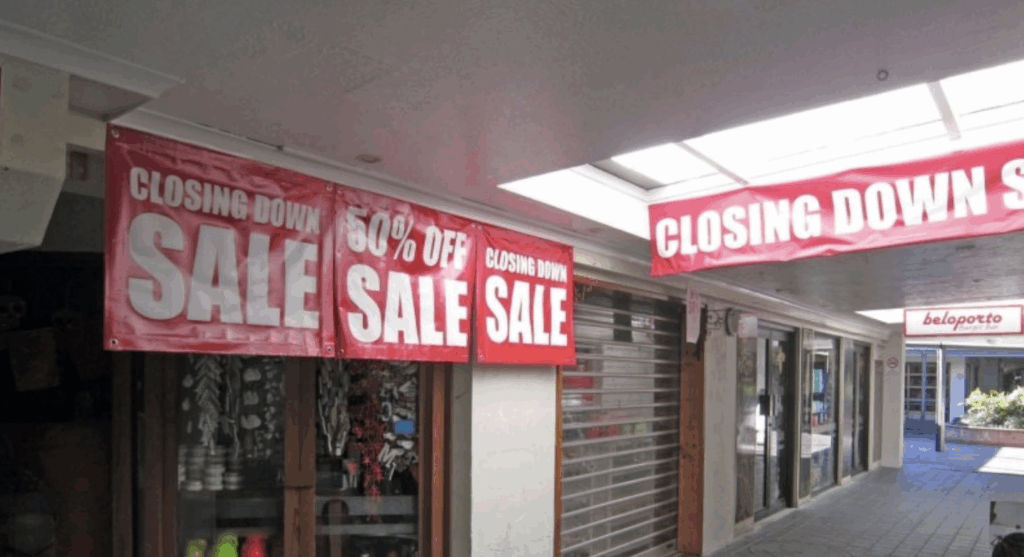
Seasonal Tourism is hurting Australia’s Coastal Towns
Photography: realestate.com.au
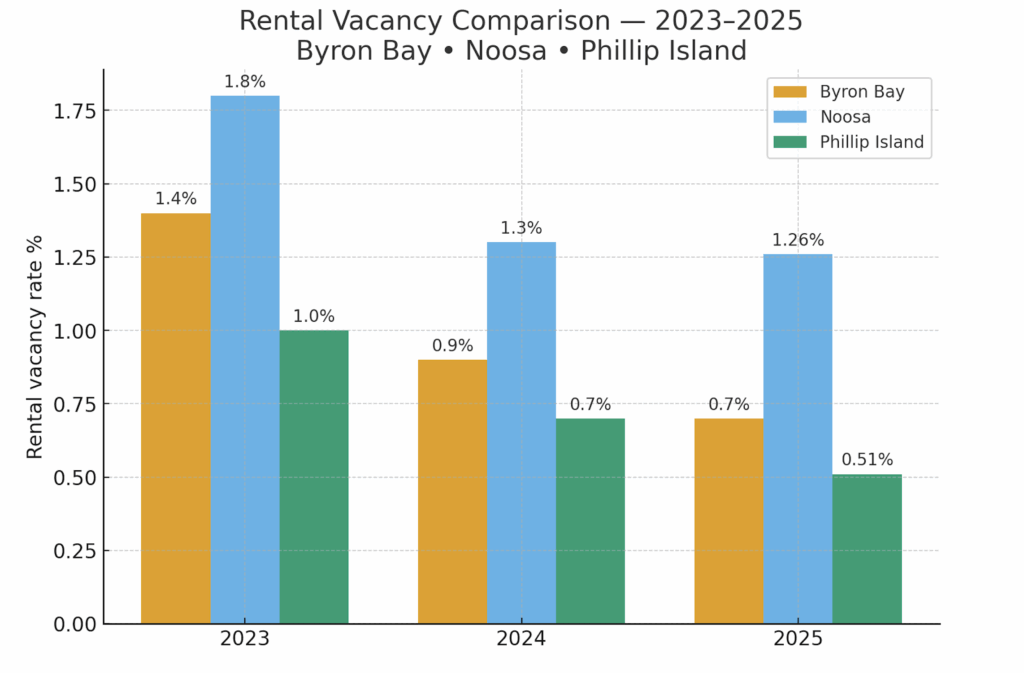
Nearly a decade on from its launch, the consequences of Airbnb’s rise are becoming visible. In Byron Bay, the rental vacancy rate has plummeted to 1.26%, one of the lowest rates in Australia . In Noosa, median house prices now exceed AUD $1.9 million (Source Noosa Property Market Report) while Phillip Island faces a similar squeeze. As the rental vacancy drops, local residents and families are struggling to secure housing, forcing some to relocate and commute longer distances to work and education.
Local residents are noticing and feeling the squeeze of the Airbnb boom. One long-time Byron Bay local told The Guardian: “These people who are in housing stress…have never been in housing stress before… they have had long-term leases. They have jobs as teachers, they have jobs cooking in cafes, they have jobs in this community.” (The Guardian, 2024)
Take a walk down the streets of one of these coastal tourism areas in the off-season. Streets lined with Airbnb rentals are eerily quiet when the tourists leave. Verandas are dark, lockboxes hang on doors, along with the hum of community life and a thriving economy. Shops have shortened hours, cafés closed in the winter months. What was once a neighbourhood alive year round becomes a seasonal playground, and a town without stability. The ripple is reaching families as rising rents and a shrinking long- term rental market pushes them to more affordable towns, taking their children with them. This has a direct impact on schools. Primary school enrolments have dropped and children are growing up without the neighbourhood networks that once defined these towns. The towns become ghostly in the off-season, while the housing crisis silently pushes residents away permanently. Airbnb is not merely changing housing; it is reshaping our communities, their livelihood, and their identity.
Essential workers such as nurses, teachers, and café staff are among those leaving, further leaving the community without a lifeline. (ABC News).
The Price of Paradise
The financial allure of Airbnb is undeniable. But the costs are social. Families are being displaced, having to move from the area or commute further away, and communities are struggling. A town that once had a blend of tourists and locals now prioritise visitor profits over residents’ wellbeing. This prioritization also drives a seasonal loop: empty streets reduce neighbourhood engagement and make it harder for community groups, local businesses, and schools to thrive. The very character of these coastal towns is under threat.
Some governments have started to act and lead by example. The State Revenue Office of Victoria introduced a 7.5% short-stay levy this year, intended to counter short term profits into affordable housing. Byron Shire has also implemented a 60-day cap on whole- home rentals in most residential zones (Byron Shire Council, 2024).
Yet research is showing these measures alone will not be enough to fully restore housing stock. A new University of Queensland study has found that short-term rental caps are not effective enough to return homes to the long-term rental market, leaving affordability and availability challenges unresolved.
Policy and Community Solutions: Striking a Balance
It is evident that short term rentals are affecting coastal areas across Australia. Towns desperate to protect their communities will need bold strategies to wrestle back control from the Airbnb boom. One solution is a national short-stay levy, with a uniform system nationwide that funnels revenue from holiday rentals straight into housing initiatives. Not only could it fund desperately needed affordable homes, but it would also hit investors where it hurts, making it less tempting to treat coastal towns as nothing more than cash machines.
Transparency is another slow down. Mandatory registration and reporting would force councils to know exactly who is renting what, how often, and for how long, according to a report by ACCA/Sydney University. Right now, much of the short-term rental market operates in the shadows, and accurate data is the first step toward accountability and call to action. Owner-occupiers should have the freedom to rent spare rooms without penalty, but investor landlords who strip long-term housing from the market must face stricter rules.
Incentivising long-term rentals is another way to fight back. Tax breaks, grants, or priority approvals could nudge landlords to offer their homes to people who actually live and work in the towns. This isn’t just about fairness, it’s about keeping teachers, nurses, workers, and families from being priced out of their workplace and community.
Airbnb began as a way to share your spare room. Its economic benefits are undeniable but in its current form it is largely unregulated. Balancing tourism with housing security is essential to not only preserve homes for residents, but the soul of coastal Australia and beyond. Visitors may come for sun, sand, and surf but without a real community, our towns will lose their heartbeat.
 Jordey Petersen
  Tyler James
  IAmAWeirdLittleKnickKnack