
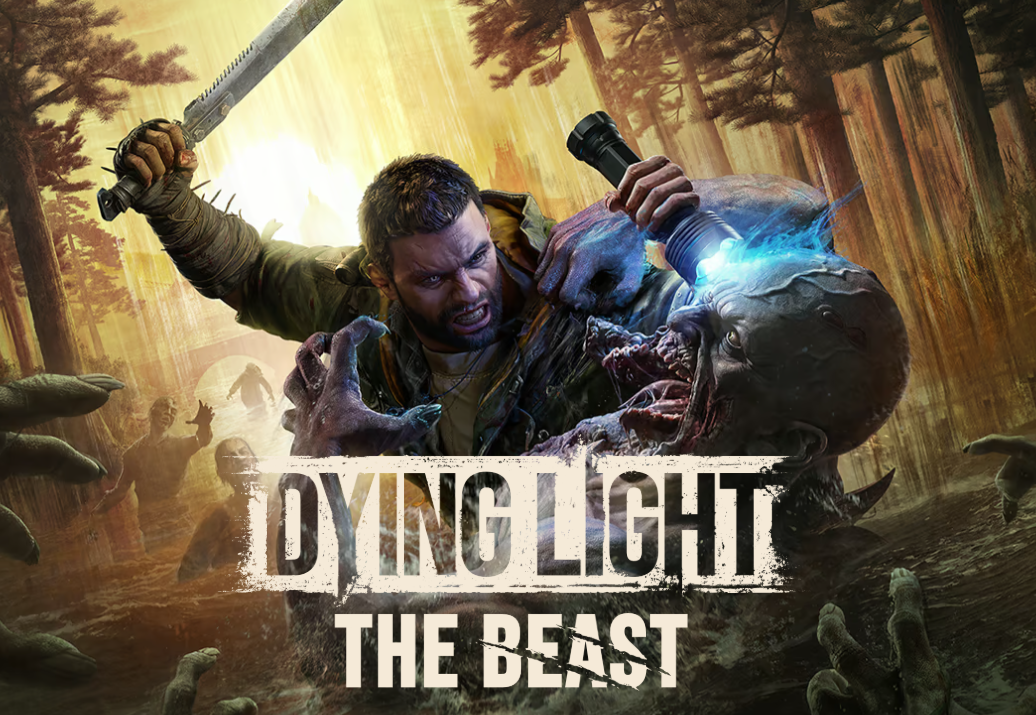
Dying Light: The Beast is the latest instalment in a series of zombie-survival video games. Rather than comparing it to its predecessors, this review aims to look at the game as a standalone title.
Dying Light: The Beast is a charged dose of survival, horror and fast-paced action, blending traditional survival elements, such as crafting, item and resource management, with parkour mechanics the series is known for.
The world is gritty, dilapidated and dark. It feels like a warzone where humans have lost their footing, and one wrong move could cost you dearly. This is not only thanks to the zombie population swarming to eat your brains wherever you turn. Traversing the environment is of equal threat. Running is sometimes the best option, and with those signature parkour skills, you are suddenly leaping across rooftops, flying down zip lines, pole vaulting, or climbing to gain more height, revealing an age-old threat—fall damage. One miscalculation and you’ll find yourself plummeting to your grave.
However, should you find yourself in a brawl with the undead—and you will—there is an array of melee and ranged weapons at your disposal. From hacking and smashing to bombs and decoys, there’s something for just about anyone. Combat feels great for the most part. Hits leave lasting marks on your enemies, gory flesh wounds get deeper as your fists connect with an undead skull, and weapons are quite pleasing to use. For example, every swing of the shovel has weight in it, right before it ends with a satisfying bonk. Beating zombies to a pulp with your bare hands is further enhanced when the beast takes over. The beast refers to rage that is built up over time as you fight, turning the game into a smash-and-tear Hulk simulator. This is a core mechanic of the game. Fighting for your life in a crowd of sneering zombies that are lunging at your throat can get overwhelming, but the beast will inevitably come out to help turn the tide.
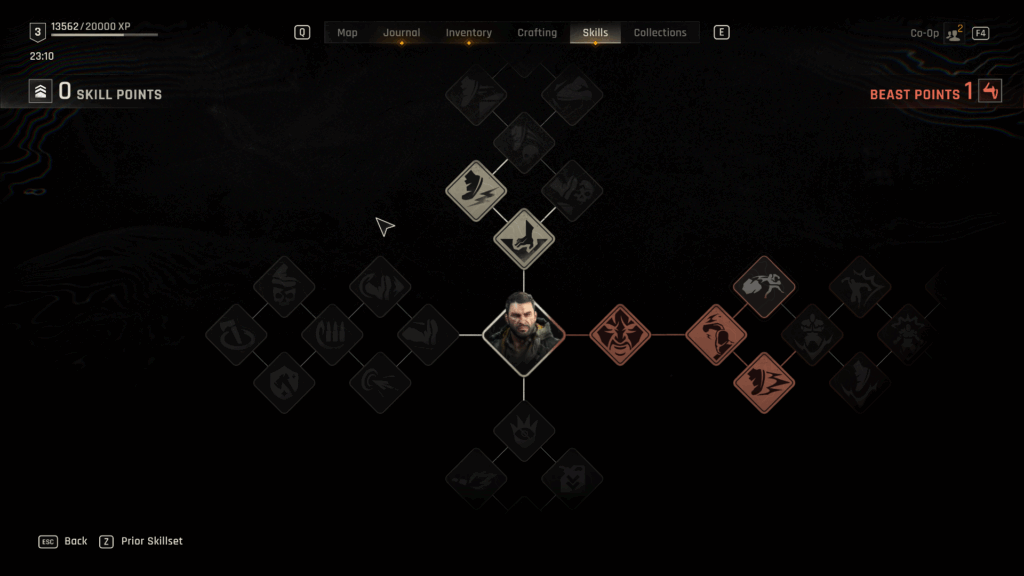
When it comes to systems, Dying Light: The Beast runs on the standard skill tree system. Three skill trees that rely on level-ups to enhance, and one Beast tree that requires hunting down unique bosses. While this isn’t too robust, it keeps gameplay from feeling stale.
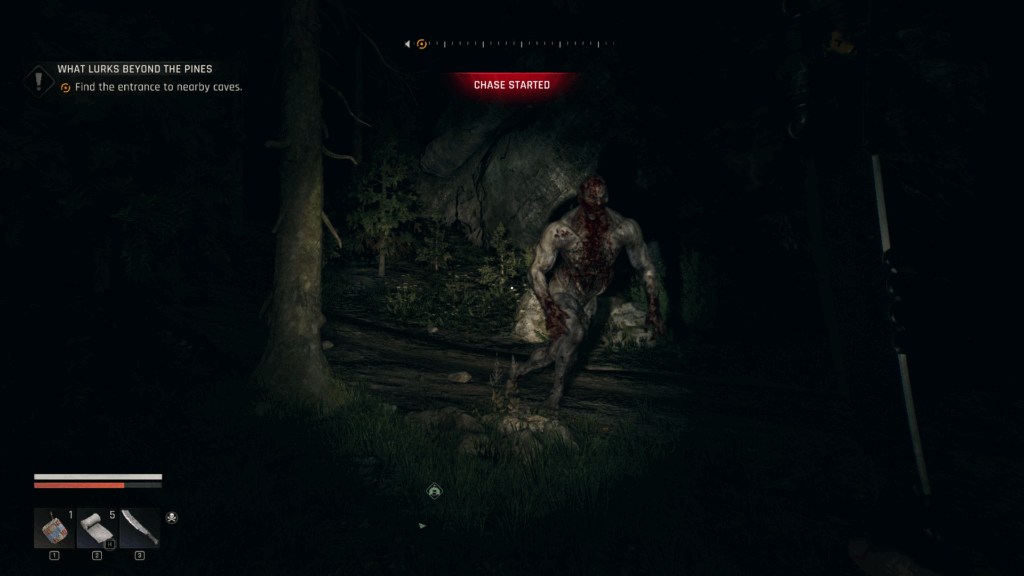
The sound design is where the game really shines. The atmosphere is intense wherever you go. Like something might jump out at you at any time— and when it does, that sense of looming danger becomes a matter of flight or fight. Not only is this tension built with eerie ambience, but you can also hear the direction of zombie moans and snarls, and as they close in, you’re constantly looking around frantically. At night, this is especially immersive. Vision is limited, and some real nasty monsters appear. Your fight for survival could kick in at any time.
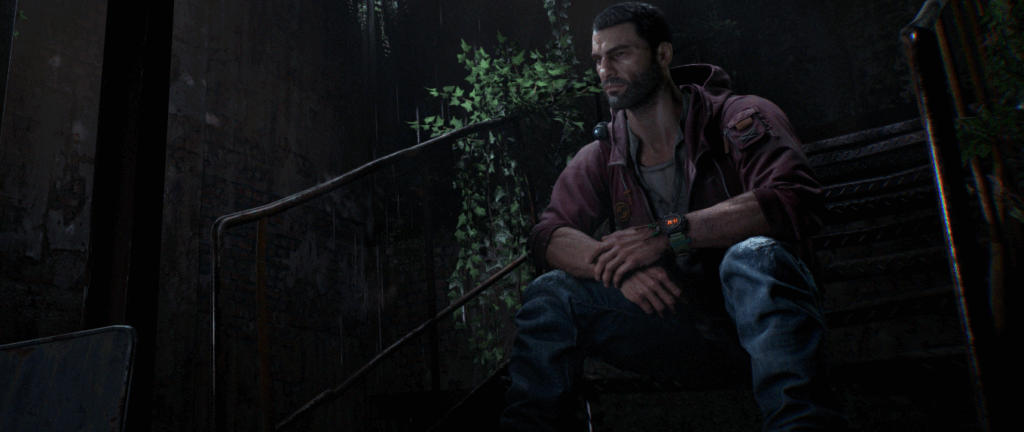
Despite the quality of combat, sound and immersion, the game is far from perfect. One of the more lacklustre aspects is the story. It’s not bad, but it’s not good either. It’s simply there. It feels designed to push gameplay progression rather than to tell a decent, rewarding story. That’s all well and good. Not every story has to be deep. However, the story is put together with dialogue that has a tendency to tell rather than show. This undermines player intelligence and breaks all that well-crafted immersion. The voice acting is fantastic, but it’s often overshadowed by out-of-place word choices and answers that don’t feel earned.
Alongside dialogue, in the realm of unsatisfactory, are some aspects of movement. Sprinting, leaping and vaulting feel smooth and seamless. This can’t be said for climbing and sliding. Climbing has a wind-up right before leaping or shimmying to another section, and gripping onto a wall is slow on every landing. The animation for sliding has a delay at the beginning, taking away what could have been an exciting escape or flashy action moment. These aspects make parkour feel clunky, which often interrupts chase momentum.
Dying Light: The Beast is a brutal, adrenaline-pumping, apocalyptic survival game where high tension maintains a tight grip on the player experience. Although high energy allows the game to thrive, it falters when it forces you to slow down, and breaking the thoughtfully built immersion feels worse than it should. Dying Light: The Beast doesn’t offer anything ground-breaking to the action-survival genre. Gameplay and systems like skill trees, hack-and-slash combat and crafting are all too common, and the story is less than revolutionary. However, despite its shortcomings, it is a high-quality, high-stakes, action-survival RPG that deserves a place in the hall of triple-A titles.
 Shoujie Wang
  Yinan Zhou
  SUN Yinchen