
What happens when the machines start dreaming? Sydney’s Museum of Contemporary Art is looking to find out. Opening this November, Data Dreams: Art & AI invites audiences into a world where code, data and imagination intertwine, blurring the line between artist and algorithm.
Opening right as the debates over the ethics of artificial intelligence intensify, Data Dreams arrives at a moment when concepts of authorship, authenticity and creativity are being redefined. From copyright lawsuits against image generators (like Anderson v Stability AI) to the rise of generative tools such as Adobe Firefly and OpenAI’s Sora, artists and audiences alike are being forced to rethink what it means to “make” something. This exhibition positions art institutions as spaces to slow down and reflect on these rapid technological shifts.
This exhibition is the first in Australia to place artificial intelligence at its core. Bringing together nine international artists, AI appears not only as the subject of fascination, but also as a creative force in its own right, shaping and even co-creating the art on display. Featuring immersive and interactive installations, film, images and sculpture, Data Dreams examines the algorithmic age through themes of surveillance, machine agency, digital emotion and synthetic collaboration, inviting audiences to consider possible futures and reflect on AI’s expanding role in the human experience.
Susanne Cotter, Director of the Museum of Contemporary Art, describes Data Dreams as “a landmark exhibition that reflects the Museum’s commitment to presenting bold, forward-thinking contemporary art. It offers everyone who visits the exhibition a unique opportunity to consider how artists are responding to one of the most transformative technologies of our time.”
Featured artists:
Angie Abdilla’s (Australia) Mediations on Country (2024) combines indigenous knowledge and western science to chart creation and evolution using datasets and early machine learning along with insights from the Indigenous Protocols for Artificial Intelligence.
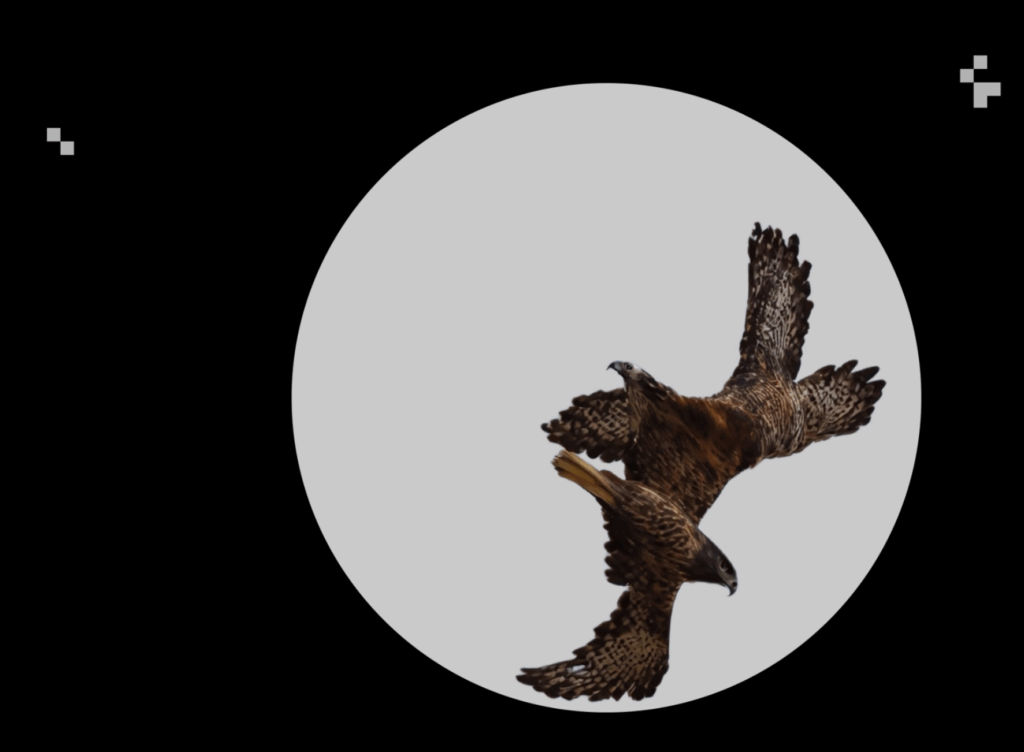
Fabien Giraud (France) is premiering the film The Feral – Epoch 1 (2025), a collective artwork shot and edited by artificial intelligence.
Kate Crawford (Australia) and Vladan Joler’s (Serbia) Anatomy of an AI System (2018) is a visual essay that displays the interaction of human labour, resources and consumption behind digital networks and AI.
Lynn Hershman Leeson (USA) is a multimedia artist and filmmaker. Two films from her Cyborg series (1994-2023) explore the way technologies are reshaping society and the environment.
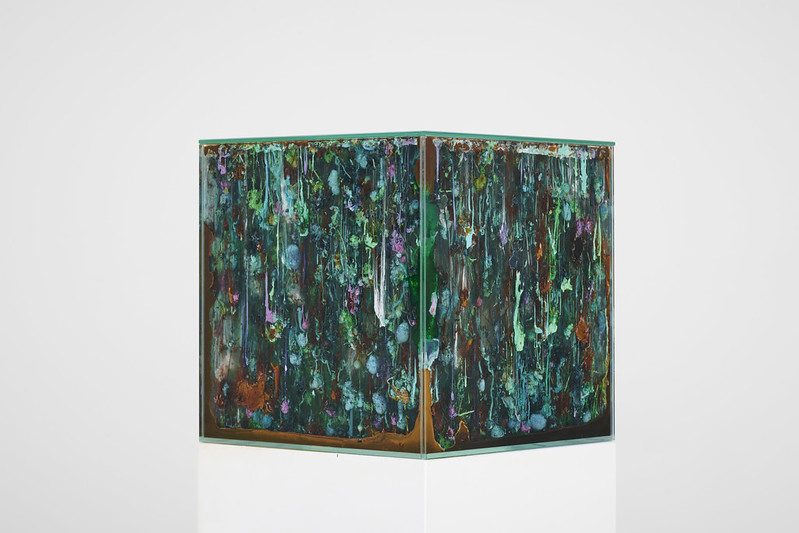
Agnieszka Jurant (Poland) uses traditional methods of sculpture and painting with a technological twist. Chemical Garden (2021 – ongoing) is an ever-evolving aquarium of inorganic chemicals that crystalise. Conversions (2019 – ongoing) is a series of liquid crystal paintings that evolve in response to data mined from social media.
Trevor Paglen’s (USA) photography series Adversarially Evolved Hallucinations (2017 – ongoing) uses AI datasets and neural networks to test the limits of machine perception.
Christopher Kulendran Thomas (UK) uses generative AI, neural networks, algorithms, and deepfakes in his films, combining these with archive footage in his work Being Human (2022-2023) to explore how we distinguish between fake and real.
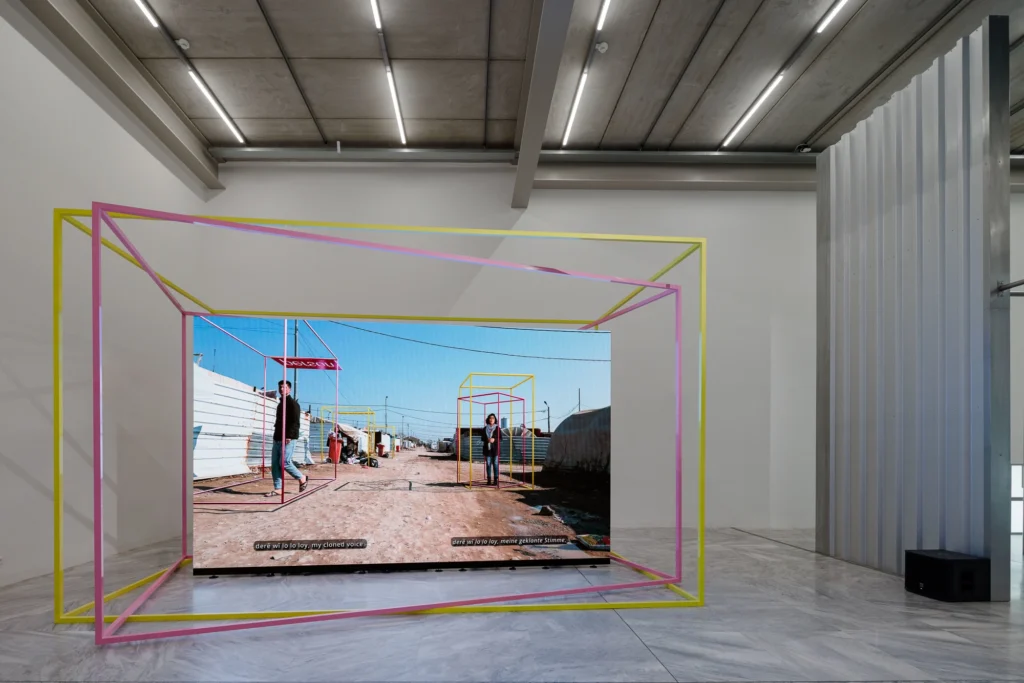
Hito Steyerl’s (Germany) installation Mechanical Kurds (2025) is a blend of documentary footage, AI generated imagery, and sculpture exploring AI led warfare and surveillance.
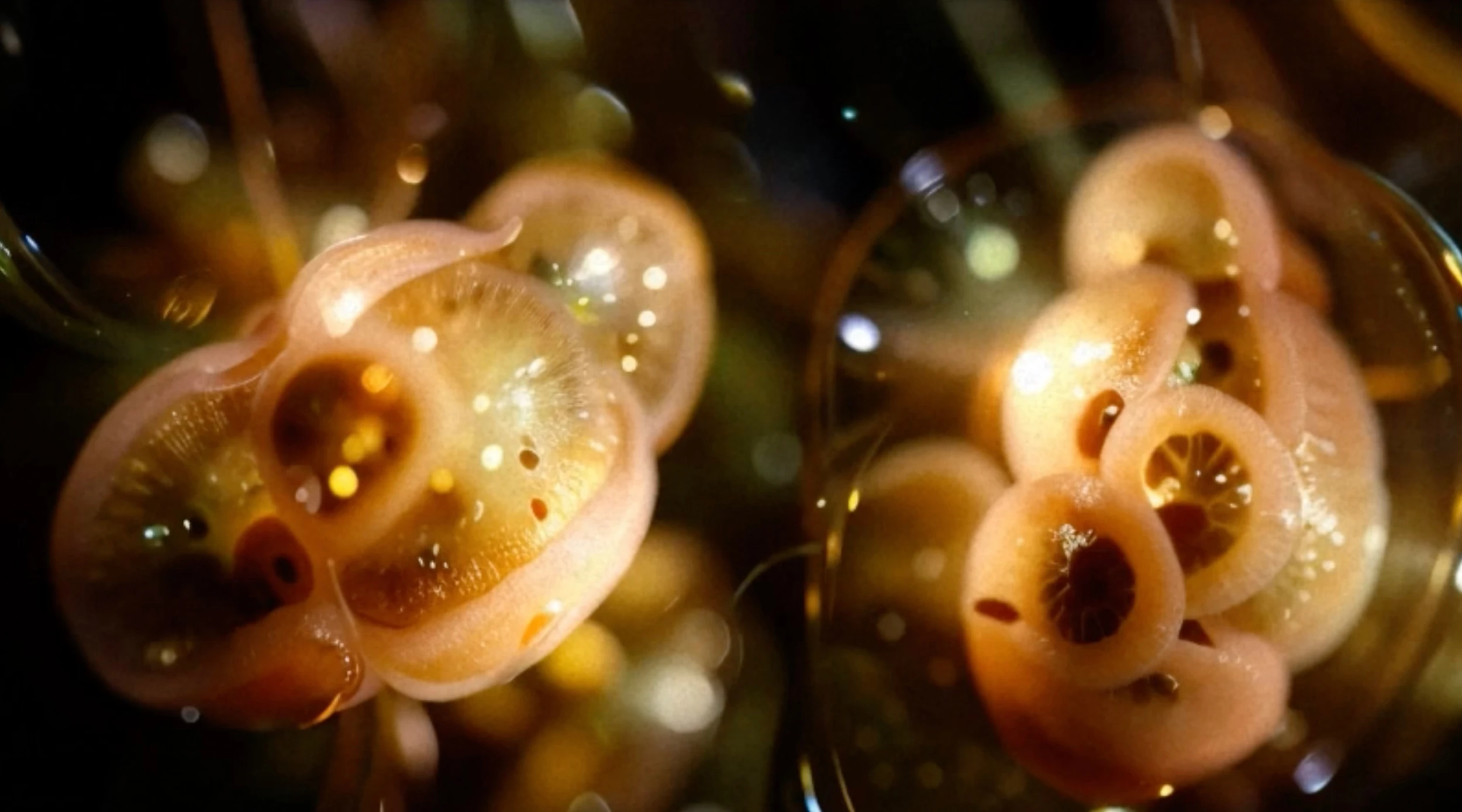
Anicka Yi (South Korea) explores the idea of collaboration beyond human life through her sculpture series Radiolaria (2023-2025) and with video in Each Branch of Coral Holds Up the Light of the Moon (2024), a video work exploring the idea of AI carrying on the artist’s work after her death.
As generative AI reshapes everything from Hollywood productions to social media filters, artists are testing its creative and ethical limits. Data Dreams is part of a wave of exhibitions grappling with what it means to make and experience art in the age of automation. Internationally, major institutions are also experimenting with AI-driven curation and display: The Serpentine Galleries in London recently launched an AI-led project with artist Refik Anadol, while New York’s Museum of Modern Art has exhibited generative video pieces trained on its own collection data. Together with Data Dreams, these initiatives signal a shift toward AI as both artistic medium and subject of cultural inquiry.
In Australia and abroad, AI art is rapidly gaining traction. Competitions such as the AI Image Making Award and the Ballarat International Foto Biennale International AI Prize and the AI ARTS competition showcase AI generated work across the world. These initiatives highlight how machine learning is increasingly becoming a legitimate creative tool, rather than merely a novelty, and underscore the growing seriousness of AI in contemporary practice.
As AI becomes more embedded into our daily lives, exhibitions like Data Dreams invite us to consider not only the aesthetic shifts, but the structural changes in media and art that will define the near future. By inviting algorithms into the gallery, Data Dreams doesn’t just display artworks, it challenges visitors to imagine a future where creativity is shared between human and machine. It asks, ultimately, who – or what – gets to be the artist.
Curated by Jane Dervey, Anna Davis and Tim Riley Walsh and sponsored by Destination NSW, Data Dreamsis part of the Sydney International Art Series 2025-2026 and features talks, workshops and performances.
Data Dreams: Art and AI is on at the MCA Sydney, George Street Sydney, from 21st November to 26th April 2026. Tickets available at https://www.mca.com.au/exhibitions/data-dreams/
 bella
bella  Hayden Price
  Finn Wilson