
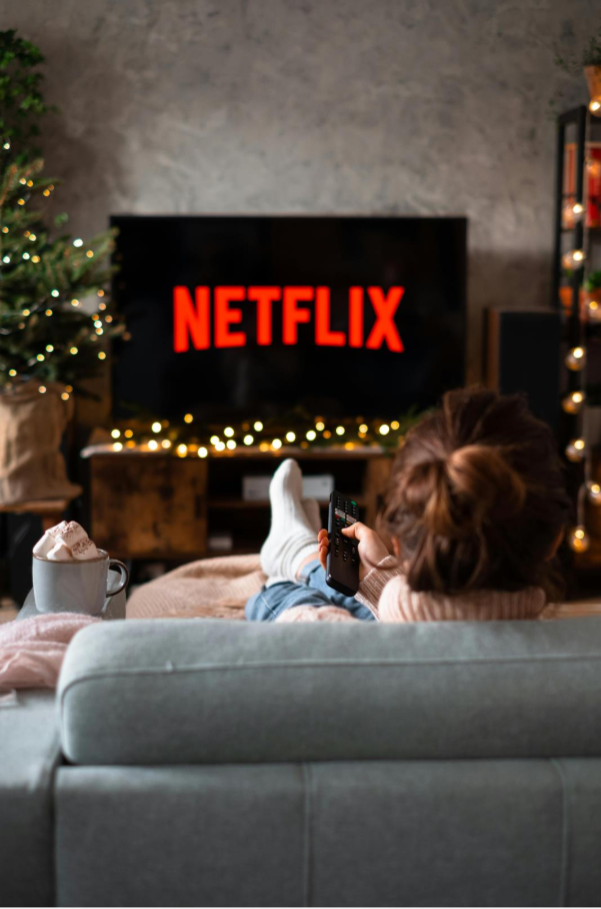
Photo: Pexels
I have watched numerous films, dramas, documentaries and shows at my comfort, but the one film I really admire, and hands down is my personal favourite is, The Godfather. I have watched all the three parts of this film and I must say, I highly appreciate the cinematography, filmmaking concept, storytelling and acting by the Hollywood legends, Al Pacino and Robert De Niro. While others performed well too, these two legends shined the most throughout the film. As we progress in this feature article, we will talk more about how the traditional cinema and film watching experience at the traditional theatres is vanishing and how it is not able to compete with the modern Over-the-top (OTT) streaming services era. The example of my personal favourite film, The Godfather, was given to the audience to show the audience how great films that were shot in the 20th century can be binge watched on an OTT platform with just a few clicks. I personally watched all the parts of my personal gem, The Godfather, lying in my bed, eating popcorns and enjoying the film at my convenience, meaning that I watched all the three parts of the film on Netflix, an OTT platform.
I also must say that this shift is amazing, moving from radio to TV and then from traditional cinema and traditional theatres to OTT streaming services platforms. The idea was first revolutionised by the west but as the human psychology evolved and perceptions changed, the east picked up the trend and made it a routine to enjoy films at their comfort by giving a monthly fee on a regular basis or by just paying the whole year’s fee upfront while getting the heavy discount on the yearly offer. The move of A-list talent and blockbuster-level budgets from Hollywood’s traditional cinema model to streaming platforms is rapidly redefining stardom, filmmaking economics, and the very cultural value of the film theatre experience, creating an entertainment landscape split between the spectacular event-film and the most convenient home-binge.
The actor, if given the opportunity to act in an OTT film, might not decline the offer considering that high-quality content will be seen in 190+ countries and that too with subtitles for the group of watchers that don’t understand the language the actor plays his/her character in. As the popularity of these OTT platforms rise, the screen time and the viewership would rise too subsequently. Upfront pay checks are usually very common when an OTT platform decides to launch an actor on their platform. In addition, these pay checks usually show a higher amount than what the actor earns when the film gets launched through a traditional channel. For an actor, it is a win-win situation and the actor, thus, decides to act in more films that get streamed on an OTT platform all around the world. For instance, the 2-hour film ‘Don’t look up’ starring Jennifer Lawrence and Leonardo DiCaprio, did tremendously well on Netflix and made an enormous amount of money for the staff of the film including the producers, directors and film actors. The actors couldn’t deny their role in this film as Netflix attracts a huge audience all over the globe and has no competition on a global level because the market share of Netflix in North America is far greater than other OTT platforms, becoming the most favoured and liked OTT streaming platform.
There are various primary revenue models for North American OTT services including, Subscription video on demand (SVOD), Advertising video on demand (AVOD) and Transactional video on demand (TVOD). The example of SVOD includes popular streaming services like Netflix, Amazon Prime Video, Disney+ and HBO Max and, Hulu is an example of both AVOD and TVOD as it runs on a hybrid model, offering both added convenience and subscription service availability for the watchers. These globally recognised platforms need enormous amount of audience and traffic on their platforms, because of which they invite globally known artists to work in their films. They either produce their own films, an example of which is Netflix films (for Netflix) or let users stream their favourite shows and films on their platforms, the shows and films that are high in demand and attract the most audiences’ interest.
Attention is the new currency, and sleep is the new enemy for these streaming services. These services must compete with other players in the market for a larger user base and users’ attention. Whichever platform gets the highest traffic is more likely to get a higher conversion rate (from viewer to subscriber) and a great following for shows and films that gets streamed on their platforms. These streaming wars are fought on providing genuine value to the user base, converting the viewer into a subscriber and an affiliate and turning the user base into loyal customers and brand advocates. The platform that gets favoured the most, wins the race. Which also means, in simpler language, more user trust and referrals. Moreover, high-budget films are now essential marketing tools for platforms. A $200 million film on Netflix isn’t just a film; it’s a massive, expensive ad to keep subscribers hooked. Which indicates that popular OTT services rely on the ‘content and budget is king’ model.
There are various mid-budget, non-superhero dramas, rom coms and adult thrillers that used to be theatre staples and that are now squeezed out of theatres. These examples include Honky Tonk Freeway (1981) and Paranoia (2013). These films and shows are now being streamed online on OTT platforms and doesn’t have a huge following. Which goes to show that people only prefer watching high-budget films and their favourite artists on the big screens in traditional theatres. These people only watch for the experience. These ‘middle’ films are now exclusively streaming content, which means audiences only go to the cinema for true ‘event’ films (Marvel, major sequels, Barbenheimer-style phenomenon). Which means that the variety is disappearing from the multiplex. Hollywood films are being squeezed out of traditional theatres due to a combination of competition from streaming services, ballooning production budgets, and shifting audience preferences. The result is a shrinking market where only major franchises thrive, while mid-budget films increasingly bypass the big screen. Streaming services and better home entertainment have created a powerful and convenient alternative to the theatrical experience, leading to a long-term decline in cinema attendance. In addition, production costs for Hollywood films have skyrocketed, pressuring studios to focus on fewer, high-budget blockbusters and making mid-range projects too risky for a theatrical release.
There are two major reasons people still opt for watching films and shows on big screens in a modern era where watching films on OTT platforms have been normalised to an extent that experiencing films at traditional theatres have been labelled as ‘something non-intellectual people would do’. The two reasons are:
- People prefer watching big budget films, their favourite films, most hyped films and their favourite artists on a big screen rather than watching them on an OTT platform
- Communal ritual
Explaining both the ideas together for better understanding, procrastination and laziness are so common that people long for convenience and added value as compared to enjoying an experience at a traditional film theatre. Which means that people would rather watch films and shows at their comfort than watch films on a big screen for communal ritual as they would want to do what has been passed on to them. Communal ritual has been passed on to them and enjoying an experience at a film theatre is a way to show their admiration to their favourite film artists and shows. Furthermore, theatres are competing with OTT platforms by offering added value in their services. These added values include, focusing on premium formats, highly hygienic and more options with the food and, creating an event/festival feeling.
The theatres are becoming a high-end luxury that are attracting the audiences by giving an unforgettable experience to them rather than just shutting down due to high competition faced from the OTT platforms. The psychological appeal of the big screen is such that it stems from the unique immersive and communal experience it provides, which engages with the senses more deeply and minimises outside distractions. For many, it offers a powerful and temporary escape from daily life.
Older audiences often watch films with their loved ones so that their memory captures the moment with them and when they reflect, they feel elated about it. As compared to the younger audiences that oftentimes watches their favourite films and over hyped shows lying down on their bed while feeling lonely at the other hand. For younger ones, it is a tool to fight with their loneliness and envision their dreamy version of themselves without any need to escape their comfort zones and without any need to socialise. This routine has given birth to a higher number of gawky and introverted individuals all around the world whose self-image is greatly impacted by their screen times and their media consumption.
A celebrity becomes an overnight sensation when their social media engagement metrics reaches to over a million or more. A celebrity is still a celebrity when their films and shows on OTT platforms get watched by millions of viewers all around the world, mainly depending on the reach of the OTT platform, the hype of the artist and the following they have at a global scale. Which simply means that whether the audiences watch their films and shows on their phone screen or watch them on a big screen, the fact that they are a celebrity doesn’t change. They will still have a concentrated following that has now become their biggest support and brand advocates. Here, brand advocacy gives invitation to more word of mouth and publicity. The producers of the films and filmmakers know the secret to high viewership and great interest, which are, free publicity through word of mouth and attention being a mammoth currency in the digital world.
Streaming has permanently altered the landscape by capturing A-list talent and mid-budget films, forcing cinema to become an ‘event only’ space. The cinema won’t die, but it will evolve. It will be reserved for pure spectacle, while streaming will be the new home for complex, adult-driven drama. The future isn’t one or the other, but two separate, high-stake games. To conclude this feature article, I would personally urge both the younger and older audiences to not just watch their favourite films and shows on a big screen for communal ritual and experience, but watch them for their brains to release huge amounts of dopamine while they create a long-lasting memory with their loved ones and special individuals they admire, truly respect and want to spend more quality time with. I believe the only way to achieving a balance in the viewership is to raise more awareness about both traditional theatres and OTT streaming services and how it affects the health and the mood.
 Jordey Petersen
  Tyler James
  IAmAWeirdLittleKnickKnack