

One week, “ballet-core” is all the rage on your “For You Page” (FYP). You’ve added ballet flats, wrap tops and leg warmers to your cart when all of a sudden everyone has moved on to tomato girl summer (and now you have to figure out what that even means). TikTok has become a cultural force, with 1.12 billion monthly users worldwide. Its addictive, short-form content has us hooked, keeping everyone updated on the latest news, memes, and trends. The app has been reshaping the fashion industry, with users utilizing the app to showcase their style through shopping hauls, “fit checks” and “get ready with me” (GRWM) videos. Fashion enthusiasts can share styling tips and recommend brands or staple pieces, and personal style becomes something to be shared. In 2025, fashion moves through our TikTok feeds at lightning speed. It’s a never ending runway of new trends and niche aesthetics that you feel like you need to have to keep with the times.
The reality is that it’s causing us to overconsume. Every new trend that you buy into and then throw away to make room in your closet for the next one has serious implications for the environment, for the workers behind the production of every item of clothing, and lets be real, for your bank account. Although TikTok has made fashion accessible for users worldwide, the app is influencing our purchasing behaviour through microtrends and promoting unsustainable shopping practices. While there have already been significant negative impacts induced by societies over consumption of clothing, there are ways to move forward and reduce the drawbacks of the fashion industry. Sustainable shopping, increasing the lifecycle of clothing items, and holding ourselves and brands accountable will be necessary for the fashion industry to have a positive future.
TikTok has dramatically impacted the way in which we consume. The discoverability of fashion content is attributed to the TikTok algorithm and its hyper-personalised For You Page that tracks the content users interact with in order to send more similarly related content into their feeds. The fast paced environment of this app means that trends can be created and shared rapidly, and they usually disappear just as fast as they come. These short lived but highly popular trends are known as “microtrends”. Microtrends can come in many forms, like aesthetics, fashion styles, or single items that now everyone must have if they want to keep up with what’s trending. If you’re not a cottage-core clean-girl drinking strawberry matcha from a Stanely, then you’re simply behind the times. With the pace at which these microtrends move, all the things just mentioned are probably already out of fashion. The minute a product gains some sort of traction, it’s all over everyone’s For You Page until eventually everyone is buying it so they won’t be left behind. Shortly after, it becomes saturated and overdone. The trend is over and a new one begins, and the pile of unwanted clothes and accessories grows.
The rise of microtrends has created a “TikTok Made Me Buy It” culture in which users see a product that has gone viral and feel obligated to purchase it. Consumers are losing the ability to distinguish whether they actually want an item because they like it, or because it’s trending. The influx of fashion hauls and GRWM videos have normalized overconsumption and makes peer influence a significant factor in consumers purchasing decisions. Research shows that 72% of Gen Z and Millennial users will make buying decisions based on influencer recommendations, and 75% purchase products after seeing them on an influencer’s TikTok account. The parasocial relationship consumers have with fashion influencers drives them to make repeat purchases in order to uphold the perceived friendship that they have. Viewers aren’t just buying a product but buying into a lifestyle that is promoted to them through sponsored videos, the psychological effect of “FOMO” (fear of missing out) fostering an impeding sense of urgency that drives impulse purchases and overspending.
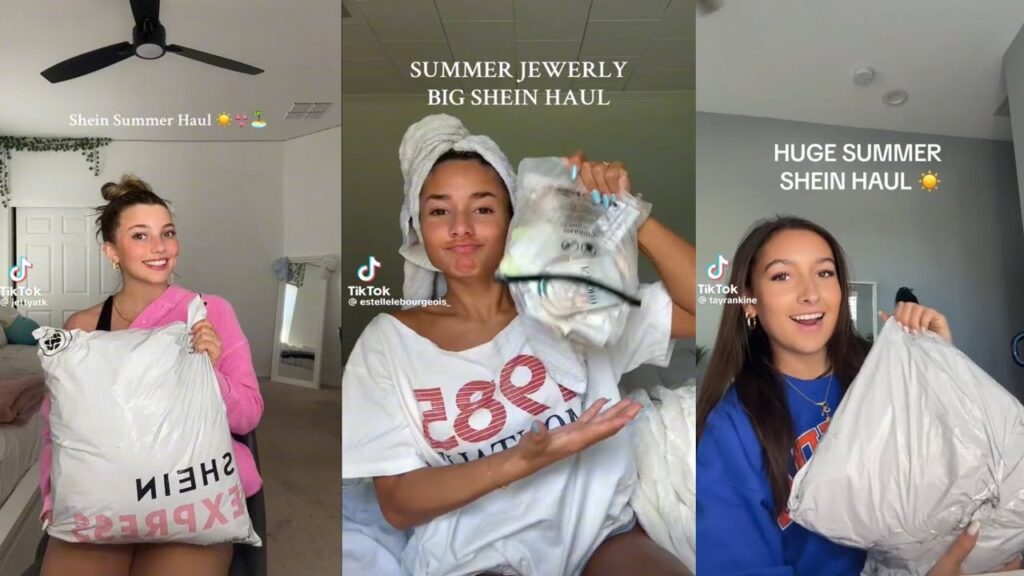
Image: YouTube
The financial drawback of the ever growing list of items users feel they ‘need’ to purchase is a growing problem for consumers. For most TikTok users, revamping their closets every other week is not a financially viable option, but the perceived societal pressure to fit in with current trends can push consumers to spend when they shouldn’t. In Australia the average person buys 56 items of clothing per year, but with the cost of ‘good quality’ clothing this can add up to thousands of dollars. This is where fast fashion comes into play. The fast fashion industry is valued at a whopping $1.7 trillion worldwide, with fast fashion giant SHEIN holding 50% of the market in the US. SHEIN is most popular for producing trendy items, up to 10,000 new designs per day, for extremely inexpensive prices.
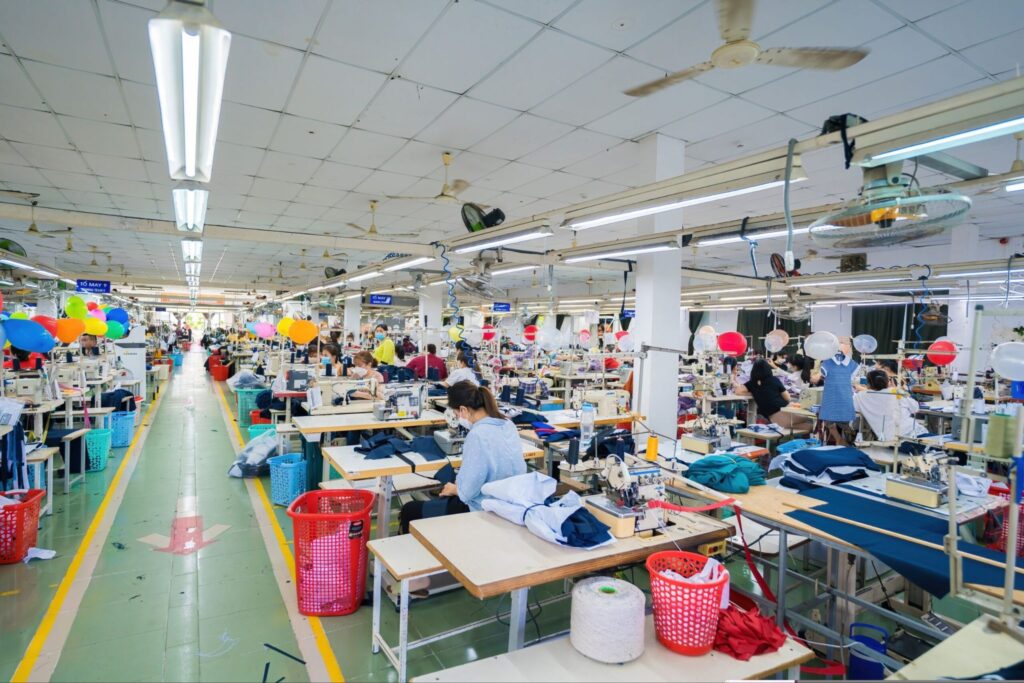
Image: Anti Slavery International
The model that fast fashion companies are based on consists of low production costs through driving down the cost of wages. This leads to exploitative and unsafe working conditions. Worldwide, there are over 60 million factory workers within the fast fashion industry, but only 2% of these workers earn a livable wage. Investigators for a Channel 4 documentary that uncovered some concerning labour practices by SHEIN found workers were paid £0.03 per item, worked 16 or more hours per day, and had only one day off a month (if they were lucky). The risk of human rights abuse leads to tragedies such as the Rana Plaza collapse that killed more than 1,100 textile workers and injured 2,500 more.
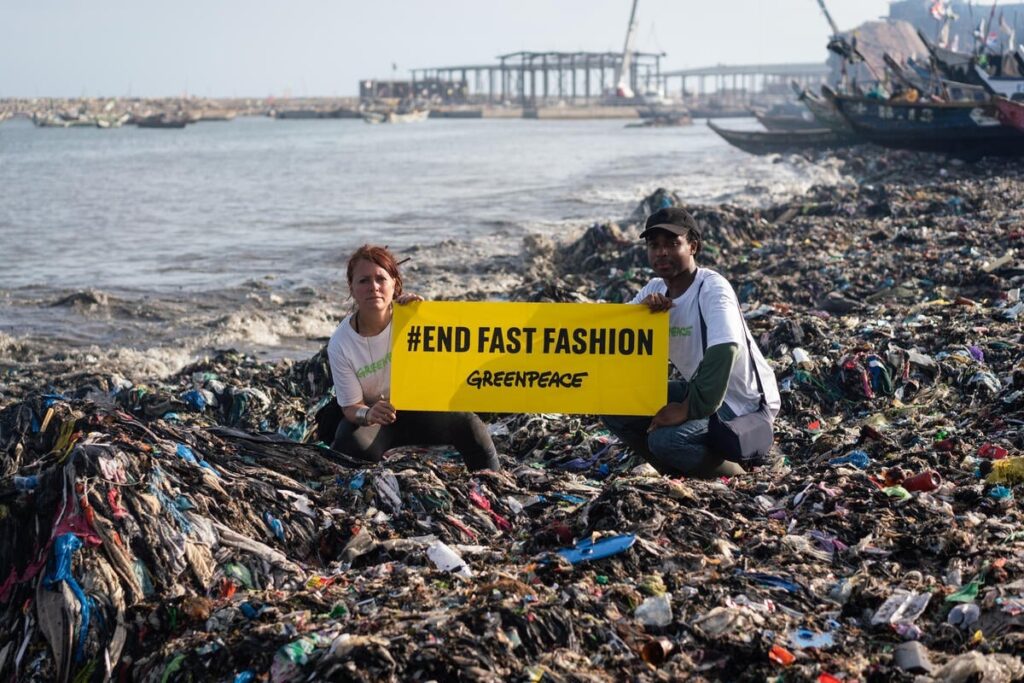
Image: Greenpeace
The cheaply priced garments allow consumers to easily buy into trends as they come and throw away anything that they consider out of style. In fact, many fast fashion consumers treat these items of clothing as if they are disposable, throwing them out after only 7 wears and leading to 3 of 5 garments produced ending up in landfill. Donation centres and thrift stores are now becoming overwhelmed with items that are too low quality to resell or recycle, with 57% of clothing ending up in landfill. Unless consumers start to think about the environmental impacts of their shopping habits and adjust their behaviour accordingly, it is estimated that by 2030 we will produce 134 million tonnes of textile waste globally.
The production of this clothing is no friend to the environment either. Business Waste posits that clothing production contributes to 10% of all greenhouse gas emissions, releasing 2 billion tonnes into the atmosphere annually. They also state that 60% of global apparel purchases are items made with synthetic fibers such as polyester and acrylic. These two fibers are commonly used by fast fashion brands due to their affordability, but are not biodegradable and can take up to 200 years to decompose.
Greenwashing is another significant problem, because users may think they’re doing their part in saving the environment by shopping ethically when in reality it’s just another fast fashion brand pretending to be eco-friendly by using keywords with no real meaning behind them. Zara, a popular clothing brand across the world, has been criticized for greenwashing through launching a “sustainable clothing line” that in fact did not counter their environmental footprint. The manufacturing of the items for this campaign was energy-intensive which ultimately did the exact opposite of what they were claiming to. These kinds of campaigns can make it even more difficult for consumers wanting to do the right thing by shopping sustainably.
Though maybe not all hope is lost. It seems as though recently TikTok users are becoming more aware of their habits to overconsume, and trends like “project pan” and “underconsumption core” are becoming more widely appreciated. However the concern is that these attempts for sustainability are really just more trends in disguise. While project pan presents itself as a challenge for consumers to use up their products in their entirety before being thrown away, how many of these participants are just trying to use their products as quickly as possible in order to buy a new one sooner? Is the current obsession with underconsumption driven by the desire to fix our shopping habits, reduce waste and improve upon the poor labour conditions that fast fashion companies outsource from? Or is underconsumption core just another trend that TikTok users want to be a part of until the next one rolls along? When does it stop being a trend, and start being the norm? Really, the values promoted in underconsumption core aren’t underconsumption at all, but rather how we should be consuming things in the first place.
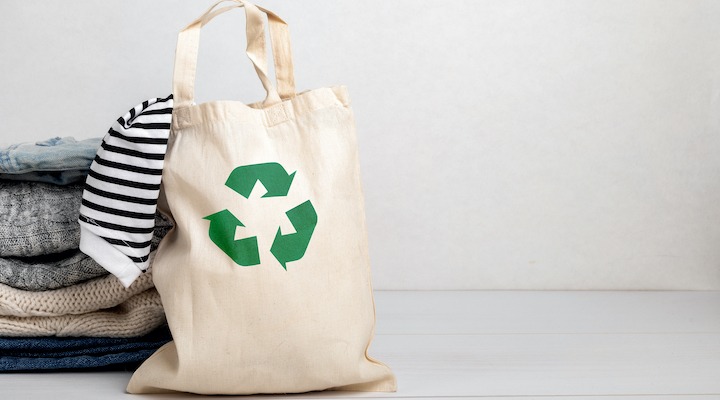
Image: Inside Retail
Many sustainability focused organisations such as Clean Up Australia and WWF have compiled ways in which we can individually strive for positive change when it comes to our consumption of fashion. Below are some ways in which consumers can change their shopping habits to contribute to a more sustainable future:
Look after your clothes and learn how to repair them.
- Follow the care instructions on each item’s tag to make it last as long as it can.
- Learning how to sew is beneficial for repairing small rips or holes, or even upcycling clothes into entirely new pieces!
Don’t shop impulsively.
- Fight the urge to buy a piece of clothing as soon as you see it or if it’s trending.
- Ask yourself if you will wear it again. How many times will you wear it? Do you actually like it, and would you keep it for a long time? Will it work with other clothing you already have?
Try thrifting.
- If you see an item you like, consider trying to find something second hand and give a piece of clothing a new life while saving some money.
- There are many online retailers that sell second hand products such as Depop, or Facebook Marketplace.
Quality over quantity.
- Invest in items that are made of high quality material that will last many wears.
- Choose staple pieces that are functional and can be worn with many outfits.
- Instead of following trends, pick clothing that you know you can wear for years.
It’s clear that TikTok has had a massive impact on the fashion industry as a whole. The highly personalised For You Page serves users the fashion content they want to see on a silver platter, making fashion accessible to all. We are seeing more users becoming drawn towards sustainability through underconsumption trends, encouraging users to use what they have, learn to sew so they can fix or upcycle their clothing, and shop for second hand pieces. Despite this, it is important to consider how deep the message of sustainability runs, and think about whether or not we are moving towards real social change when it comes to consumption of fast fashion, or if the underconsumption core will be forgotten like all the microtrends that came before. It’s vital for the future of our planet that consumers are educated on the lifecycle of their items and recognise the implications of buying and disposing of cheaply made clothing items for the sake of fitting into a trend, and that brands are held more accountable for their production environments. It’s the responsibility of every consumer to keep their purchasing habits in mind, and make good choices that will have a positive impact. Sure, the “mafia-mob-boss-wife” aesthetic might be cool this week, but high quality, sustainable and timeless pieces will never go out of style.
 Guan QiuYu
  REN Ren
  Tan Kane