

I had never consistently or seriously engaged in resistance training until early this year. Resistance training, also known as strength or weight training, refers to a type of exercise where your muscles work against some form of resistance. Think of your standard bodyweight exercises like push ups and squats, or classic gym exercises like the ever-popular bench press and deadlift. Now, as someone who consistently goes to the gym and exercises on a regular basis, I argue that, if able to, everyone should be implementing some form of resistance training into their physical exercise on a consistent basis.
A majority of people know that exercise of any kind provides great benefits to their overall health. Yet, according to a report in 2022 by the Australian Institute of Health and Welfare, an astounding 73 per cent of adults aged 18 to 64 said they did not do the recommended number of muscle-strengthening activities per week, as outlined by the physical activity and exercise guidelines. Unfortunately, it’s overlooked and not seen as a priority in people’s lives. The reasons are usually always the same.
I’m too busy. I’m too tired. It’s too difficult.
Before this year, my mental health was at an all-time low. I struggled with constant anxiety and depressive symptoms, low energy and motivation, my libido was almost non-existent, and my body was fatigued. That being said, I was not unfit. I played basketball twice a week, walked 30 minutes a day, and I even tried long-distance running for a few months. However, I rarely went to the gym or committed to any consistent strength-training activities – maybe once or twice a fortnight, if at all.
In May, I decided to make a positive change to my life, and I got myself a gym membership. I committed to training three times a week, focusing on lifting weights with good form and ending each workout with 15 to 30 minutes of cardio. I tracked my progress each session, progressively increasing the weight over time to avoid plateaus. Within weeks, I started to notice the changes.
The first improvements were mental. I realised I enjoyed working out and I genuinely looked forward to each session. My anxiety became manageable, and I experienced fewer depressive periods. Gradually, my energy levels rose steadily, I was no longer feeling sluggish in the mornings nor drained in the afternoons, and my motivation to go to work and school was higher than before. I just felt better about life.
The physical benefits followed in the subsequent weeks and months. I noticed my arms and legs grew, but not just in size but in definition. I started seeing muscles, even through my clothes. Not to mention, my shoulders got broader, my back became more defined, and my chest shaped up.
The lower back pain that used to be a constant in my life was no longer present. My knee pain, often flaring up during and after running, almost completely vanished. For the first time, my body felt functional. I could move better, run faster and jump higher. Most importantly, I felt incredibly proud of myself – for the first time in months, it felt like my life was getting back on track, one workout at a time.
Don’t just take it from me – countless studies have been taken to understand and provide evidence for the benefits of resistance training.
Muscle, bone, and metabolism: The physical impacts
Let’s start with the physical benefits to the body. According to Penn Medicine’s Andrew Brough, certified physical therapist and strength and conditioning specialist, resistance training focuses on the growth of muscle mass, which can lead to increased strength and mobility. However, it doesn’t only affect muscle – it also has an impact on your bones.
Osteoporosis is a common chronic condition which causes low levels of bone density, deficiency in calcium, and overall fragility. Put simply, your risk of fracturing or breaking a bone is much more likely. Even without osteo, we are likely to lose bone mass as we age, become inactive and intake insufficient nutrition to our body. Brough details that strength training also strengthens your bones by improving bone density and joint flexibility. This can ultimately help minimise the risk of bone fractures caused by osteoporosis. A review by Wayne L. Westcott, PhD, concluded that resistance training, in comparison to other types of physical activity, seems to have a much greater impact on bone density as well as ‘significantly increase bone muscle density (BMD) in adults of all ages.’
Beyond its positive effect on bone health, Westcott also outlines numerous other physical benefits of resistance training. One such example is the increase in resting metabolic rate after several weeks of resistance training. This is due to the resulting growth of muscle mass which requires more energy when resting to accommodate ongoing tissue repair and maintenance. With this increase in resting metabolism comes a reduction in overall body fat. A recent study on the effect of resistance training on body fat reported ‘significant reductions in body fat percentage, body fat mass and visceral fat in healthy adults.’ The study found that participants saw a 1.4% reduction in body fat and concluded that resistance training should be considered an effective prescription for weight loss in overweight individuals. This was true even for someone who wasn’t overweight like me. After the first month, my body fat trimmed down, and my muscles became more visible.
Further examples detailed by Westcott of the health benefits that resistance training provides include improved physical function, cardiovascular health, and resting blood pressure.
Impact on mental health, confidence and wellbeing
On the other side of the dumbbell is resistance training’s impact on mental health. While lifting weights may not seem like a conventional anti-depressant, there have been countless studies on the mental health benefits of resistance training in both younger and older generations.
The relationship between resistance training and mental health has continued to grow in recent years. An article in the American Journal of Lifestyle Medicine provided a review on numerous studies to examine the influence of resistance training on mental illness, chronic pain, cognition, fatigue, self-esteem and sleep. While the studies were slightly limited due to their small sample sizes or not being designed to specifically answer questions regarding mental health, the evidence provided largely supported the notion that resistance training is associated with improvements in the aforementioned conditions and symptoms. This includes a reduction of symptoms for anxiety, depression and fatigue; lowered intensity of chronic pain; improved cognitive function in older adults; increased self-esteem; and better sleep quality among older adults with depression.

Additionally, a 2024 review and meta-analysis on the mental health outcomes of resistance training in older adults provided favourable insights. Results showed that resistance training was an effective strategy for reducing depression and anxiety symptoms. The review also concluded that resistance training had positive impacts on individuals with and without mental illnesses.
Further research published by IntechOpen found that resistance training helped reduce neurocognitive deficiencies and had a positive impact on brain function. It also assisted in improving neurocognitive, behavioral, and academic performance, particularly among teenagers and those in the military. Additionally, studies showed that both moderate and intense exercise can help improve mood and cognition in children.
As time goes on, more and more research is being done on the mental health benefits that resistance training provides. While current data has provided a clear foundation, the scale of these studies is still limited due to their relatively small sample sizes. However, it’s clear that the results are trending towards the same conclusion: resistance training and mental health have a strong, correlating relationship.
So, what now?
It is scientifically proven that resistance training is a necessity for better health, both physically and mentally, no matter the activity. Whether it’s through free weights, gym machines, resistance bands or calisthenic exercises, resistance training needs to be a staple in the lives of everyone who is able-bodied enough to do so.
As outlined prior, the research backs this up. Resistance training could add years to your lifespan and reduce the rate of deterioration your body goes through when aging. It helps to grow muscle mass, bone density, improve metabolism and induce fat loss. Your heart health improves, your blood pressure improves, and your overall fitness improves. You don’t need to take special pills or even go on a super-intensive workout routine. Resistance training paired with consistency is the foundation for improvement that your body deserves.
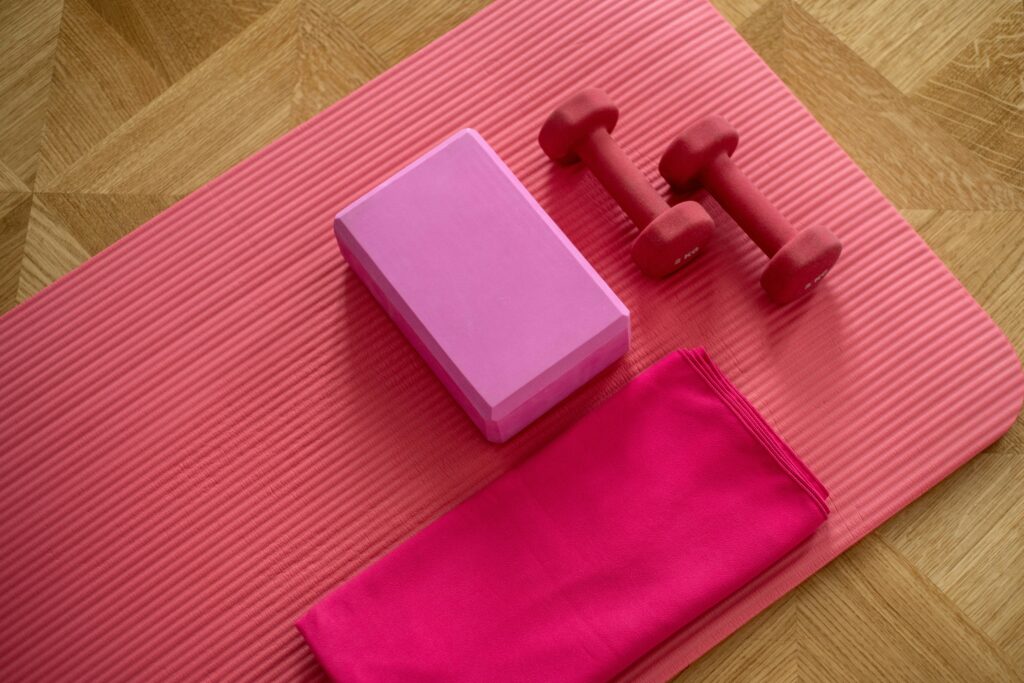
Even then, exercising just makes you feel better. Your brain literally releases endorphins, the ‘feel good chemicals’, in your brain during and after strength training. Besides the research that suggests that resistance training has a positive correlation with improved mental health and the reduction of depression and anxiety symptoms, it is well-known by countless of people all around the world that exercise is, plain and simple, good for you.
Many argue against resistance training because they ‘don’t have enough time’ or ‘it’s too expensive.’ While valid arguments, it’s important to recognise that you don’t even need hours of the day or to sign up to a gym. Even a 20-minute strength-focused session will yield results if done consistently over a period of time. Bodyweight exercises like pushups, sit ups and squats can be done anywhere and are able to be progressively adapted to suit your level. Resistance training is broad, allowing you to try different activities that you might find more enjoyable than simply lifting weights. The best way to start is to find what you enjoy doing the most and do those things often.
In a world that’s shifting towards more body-positivity and a focus on physical and mental health, it’s time we shed any pre-existing bias we have towards resistance training. Long gone are the days when weights and strength training were reserved for bodybuilders or athletes. The research backs it up – we should be wholeheartedly embracing resistance training as a key practice for improving both physical and mental health.
From strengthening our bones and enhancing our metabolisms to improved cognitive ability and mental health, the benefits are undeniable and extensive. It will improve all aspects of your health and wellbeing.
Regardless of what you do, resistance training should be a staple in your life. It’s not about how your muscles look or how well you perform at the gym or even to impress anyone else. It’s about prioritising you. It’s about taking care of yourself and ensuring you live a life unburdened by constant pain and illnesses. By integrating resistance training into your daily life, you invest in a future where you move better, feel stronger, and live to a higher potential. I have experienced firsthand the benefits of resistance training and found the research that supports my argument. Resistance training isn’t just an option, folks. It’s a necessity.
 TianYuran
  Lu Yunyan
  Pauleen