
Behind every viral hashtag declaring someone as ‘cancelled’, there is a human being who is reading nasty and hateful comments about them, which are often written by keyboard warriors who thrive off of sharing their strong opinions on the internet. Cancel culture has become a powerful force on the internet, and it can be highly damaging to anyone affected by it. At its core, Cancel Culture is defined as the act of collective boycotting of someone after a perceived wrongdoing. Cancel Culture has many negative impacts, such as fuelling the mob mentality, career and reputation loss and causing severe mental health problems within individuals who are essentially condemned to being ‘Cancelled’. Another criticism towards Cancel Culture is the impact of temporary accountability on people who experience online backlash. Instead of promoting cancel culture, online communities should take a more delicate approach to how they act towards people’s controversial actions so that there is no exclusion and it fosters a healthier digital culture. Lastly, it’s also important to explore the importance of the role of algorithms that amplify cancel culture within the online community.
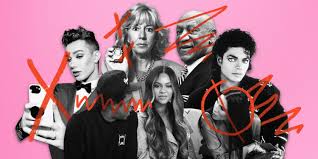
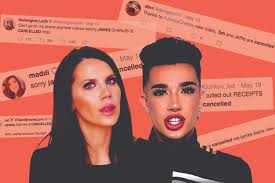
Mental health is a serious issue that is prevalent in our society today. It can affect people from all walks of life. The rise of online pressures, such as social media presence and the constant connectivity with others, has only intensified serious mental health illnesses such as depression and anxiety. A prime example of a central social media influencer who became a victim of cancel culture and was relentlessly bombarded with an overwhelming sense of negativity was beauty guru James Charles. He had experienced severe online public backlash after his feud with Tati Westbrook in 2019. James Charles experienced extremely volatile messages that were posted under his social media accounts after Westbrook posted a 48-minute video accusing him of being an egotist and manipulating straight men to have sexual relationships with him. After the video was posted, he lost 3 million followers. However, when more information was revealed, Tati’s claims were mostly discredited and his reputation somewhat restored. This was a pivotal reminder of the capability that online communities have in shaping public opinion. James Charles has opened up about the harsh realities of internet fame. Charles stated that he believes “cyberbullying, hating, and cancel culture are getting stronger.” He spoke about his critics, stating, “I can say firsthand, they got to me. I was so grateful to be surrounded by close friends and family who were checking on me all day long”
This video further explores the consequences of cancel culture and the damage that it causes to people involved. The link: https://www.youtube.com/watch?v=0Pl_86DNyN4
The psychological impacts of Cancel Culture are devastating. Mental health is a serious matter, and it should be spoken about more. Social exclusion can cause severe anxiety and depression amongst individuals in the public eye. Online communities should revert to constructive criticism because cancellation provides no room for growth and positive conversations to promote constructive change. This is due to cancel culture being punishing and isolating for the person involved. Not only does being cancelled affect the person directly involved, but it also affects those closest to them. Another example of a well-known social media influencer who was cancelled is Shane Dawson. He stated on a podcast expressing his experience of being cancelled. He noted that ‘it felt like people wanted me dead’ He also said that ‘me getting cancelled always affected the people around me.’ For family and friends, it is hard to see the person you love be targeted with such vitriol and hatred. It tends to be very difficult for loved ones of a person affected by cancel culture to deal with the repercussions of public scrutiny, social isolation, and the emotional hardship that develops beyond the individual who is targeted.
A link to Shane Dawson’s podcast appearance speaking on his experience of being cancelled: https://www.tiktok.com/@katimorton/video/7495038063282785578
Mob Mentality is defined as a psychological phenomenon where people conform to the beliefs, behaviours, or attitudes of the majority in a group. The Mob Mentality long predates social media, as it has been prevalent in society where crowds, protests and riots are present, which sees individuals conform to the majority of popular group opinions. However, social media has magnified its reach and intensity, enabling opinions to circulate instantly across digital networks. The mob mentality came into full effect when examining the case of TikTok influencer Sienna Mae Gomez, who was accused of sexual assault allegations in 2021 by fellow TikTok star Jack Wright. Despite Sienna denying the claims of this serious allegation, the court of public opinion had already made up its verdict. The online community fully backed Jack Wright and his allegations. Thus, this meant that Gomez was condemned to ruthless trolling, public humiliation and severe bullying, which included death threats from anonymous people online. This kind of targeted harassment can have devastating psychological effects that can ruin people’s lives. She stated that she felt “numb” and that it was “really hard”. She also stated that she tried to commit suicide as she struggled to deal with the intense criticism, hatred and isolation towards her. As Brenner (2024) explains, being ‘cancelled’ leads to depression and anxiety for social media influencers. People who deal with this level of rejection experience feelings of worthlessness and shame within themselves. Gomez withdrew herself from the public eye due to suffering a lot with her mental health struggles. She has recently come back into the limelight and has given more evidence suggesting that she never sexually assaulted Jack Wright. Thus, this provides an example of how mob mentality can lead to an untimely end to an individual’s social or professional standing, even before the evidence is settled. When reading the thought-provoking Hot Take piece titled “Great Genes, Great Jeans, Great Overreaction” written by Sascha, it provided valuable insight into how digital communities can respond with excessive sensitivity to seemingly harmless content, which in this case was Sydney Sweeney starring in an American Eagle denim ad, as they were accused of having elements of nazi propaganda from the online public.
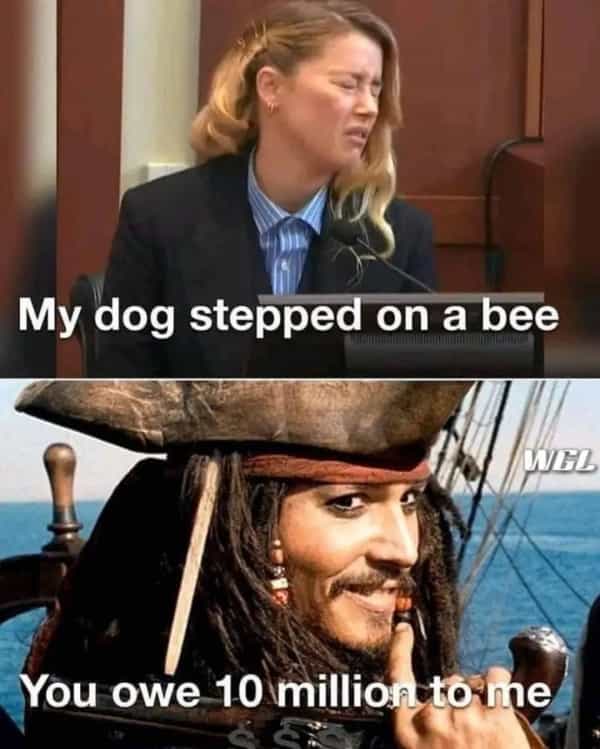
Cancel Culture not only damages people’s mental health, but it also has devastating impacts on the careers and reputations of people who have a well-known presence on social media. When most people are labelled as ‘cancelled’, that career is essentially done for. Sponsors and brands that have partnered with or want to partner with that person will distance themselves to avoid being associated with controversial people. This results in a loss of revenue for people who have established a job online. However, there are a few exceptions, including Louis CK who is a comedian and actor who was cancelled for sexual misconduct made his return to television after 8 years away from the public spotlight after experiencing backlash. People with a high online presence also lose a following on social media and experience a decline in their fan base. An article states that cancel culture has become more reactive than proactive, with online communities eager to express uninformed judgment in response to a perceived wrongdoing rather than seeking out evidence for the controversy. An example of this is the media spectacle that was Amber Heard and Johnny Depp’s defamation trial in 2022. Heard claimed that she was physically and sexually abused by Depp. Due to this, Depp sued her for defamation for accusing him of these heinous acts. Despite trying to defend herself in the courtroom, much of the online public did not believe what she was saying, and she became a mockery of the court system and became the target of intense online backlash. This public shaming decreased professional opportunities and had a negative impact on her professional career, demonstrating how cancel culture can amplify reputational damage. Beyond this, Amber Heard’s mental state was affected by the ongoing mockery she experienced. She turned into a figure of ridicule with memes and videos that mocked her statements in the courtroom.
Although cancel culture is intended to hold people accountable for their perceived wrongdoings, it rarely encourages lasting behavioural change. While public outrage from a controversy can influence people in the public light to apologise, these apologies are often perceived as more performative rather than establishing a genuine and authentic accountability for their mistake. There is potential for Cancel Culture to not lead people to have a meaningful reflection, and it does not encourage an improvement in behaviour for these individuals. People may find a need to apologise to save their reputation and appease their audience, while still not considering that and continually being involved in controversial behaviour. An example of this was Logan Paul, as he got cancelled in 2018 for posting a video showing a suicide victim in Japan. He issued an apology; however, he continued to do more controversial actions following this event. It often shifts focus away from education and reform, and instead turns complex ethical issues into public spectacles that are harmful to society.
It is also important to acknowledge the role of algorithms that amplify cancel culture. Social media platforms such as TikTok, Twitter and Instagram are utilised to maximise user engagement and have the power to easily spread controversies and negative content on a large scale. The algorithm wants to prioritise content for the audience that evokes strong emotions, like anger, frustration or outrage. This is achieved through hashtags, sharing posts, and memes that intensify the backlash. This can lead to mob mentality. This mentality follows the majority’s opinions without questioning them. This shared mindset can cause damaging behaviour, as individuals can adopt a sense of belonging from aligning with what seems to be a morally superior community. This leads to people receiving severe backlash for minor mistakes or misunderstandings, which causes relentless consequences from being ‘cancelled.’ Cancel Culture is also under fire for discouraging free speech and creativity, as it is creating an environment where people are too afraid to express themselves and share their opinions authentically. There is constant pressure to filter words, so there is no set off for public outrage. This has the effect of discouraging conversations and progressive dialogue that share different perspectives, enabling freedom of speech. Salman Rushdie and Margaret Atwood are concerned about cancel culture and have stated that ‘the free exchange of information and ideas, the lifeblood of a liberal society, is daily becoming more constricted’ Debating Matters has stated that cancel culture distorts public debate by creating a “silent majority” that is too afraid to speak out about different topics.
Despite Cancel Culture being used to demand accountability for someone’s wrongdoings, ultimately, it becomes destructive for the people involved. Cancel Culture has become very powerful due to social media presence and how quickly strong opinions can be spread online. Cancel Culture primarily fosters a toxic online environment, and instead of encouraging reflection and growth to become better and improve from past mistakes, being cancelled leads to anxiety, depression, reputation loss, and relentless online harassment for the person involved and the people closest to them. If society wants to wants to create a healthy digital space, we need to shift away from cancellations and move towards fostering healthy conversations, promoting education and showing empathy. True accountability should lead to growth from individual mistakes, not unhealthy environments that negatively affect a person’s well-being.
References:
Aspinall, G. (2019, September 12). The James Charles Tati Westbrook Drama Explained. Grazia. https://graziadaily.co.uk/celebrity/news/james-charles-tati-westbrook/
Brenner, Brad. 2024. “The Psychology of Cancel Culture: Impacts on Mental Health.” Therapy Group of DC. October 29, 2024. https://therapygroupdc.com/therapist-dc-blog/the-psychology-of-cancel-culture-impacts-on-mental-health/.
Debating Matters. (2024). Cancel culture is a threat to freedom of speech. Debating Matters. https://debatingmatters.com/topic/cancel-culture-is-a-threat-to-freedom-of-speech/
INSIDER. (2019, November 26). James Charles talks about his viral feud with YouTubers in an interview. Business Insider. https://www.businessinsider.com/james-charles-viral-youtuber-feud-2019-11
Lo-Booth, M. (2024, March 13). What is cancel culture, and what does it mean in 2024? VICE. https://www.vice.com/en/article/cancel-culture-meaning/
Lokhande, Gayatri and Sadhana Natu. 2022. “‘You are Cancelled’: Emergence of Cancel Culture in the Digital Age.” IAHRW International Journal of Social Sciences Review 10 (2) (06): 252-259. https://www.proquest.com/scholarly-journals/you-are-cancelled-emergence-cancel-culture/docview/2696515191/se-2.
Morton, K. (2025). TikTok – Make Your Day. Tiktok.com. https://www.tiktok.com/@katimorton/video/7495038063282785578
Ohwovoriole, T. (2023, May 4). How Herd Mentality Explains Our Behaviour. Very well Mind. https://www.verywellmind.com/how-herd-mentality-explains-our-behavior-7487018
Ramsey-Soroghaye, Blessing, Chinyere Onalu, and Precious Anyaegbu. 2023. “Perceived Impact of Cancel Culture and the Mental Health Challenges Associated with the Aftermath: A Discourse for Social Workers in Nigeria.” Journal of Social Service Research 49 (5) (12): 595-606. Doi: HTTPs://doi.org/10.1080/01488376.2023.2254804. https://www.proquest.com/scholarly-journals/perceived-impact-cancel-culture-mental-health/docview/2870184890/se-2.
Stories 2020. Celebrities Can Be Cancelled. Fandoms Are Forever.” Stories.uq.edu.au. 2020. https://stories.uq.edu.au/momentum-magazine/2020/celebrities-can-be-cancelled/index.html.
The squeeze. (2025, August 7). Sienna Mae Gomez Opens Up About Her Online Cancellation. Www.youtube.com. https://www.youtube.com/shorts/IR6zb_hsHHQ
Varghese, N. (2025). Social Media and Cancel Culture: How Algorithms Fuel Outrage and Mob Mentality – Youth Are Awesome. Youthareawesome.com. https://youthareawesome.com/social-media-and-cancel-culture-how-algorithms-fuel-outrage-and-mob-mentality/
 TianYuran
  Lu Yunyan
  Pauleen