

Question: How does nostalgia-driven media (such as Disney remakes, reboots, and retro fashion) shape generational identity in the 21st century?
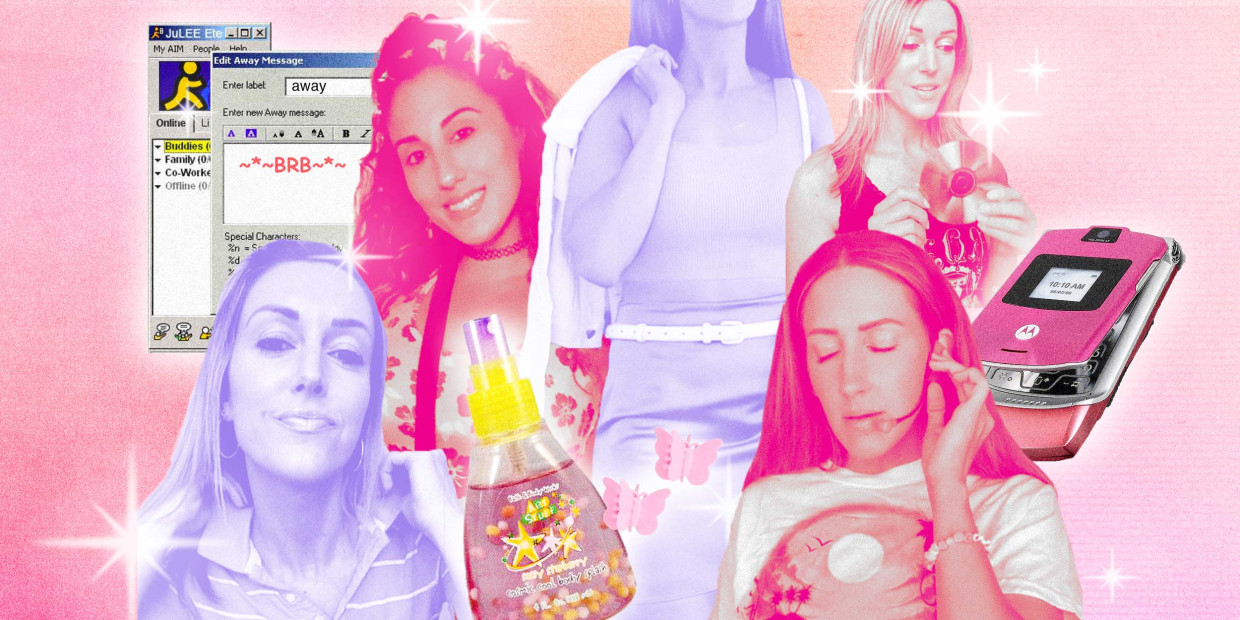
You’ve probably felt that familiar feeling after seeing a movie trailer of your childhood movie as Disney remakes another classic. Or maybe it was from the mass amount of people using a blurred digicam filter on Instagram stories. Regardless, the past isn’t just behind us anymore, it’s been repackaged and sold.
From Popmart’s pastel collectables reminiscent of childhood toy aisles to the comeback Y2K aesthetics, nostalgia which is defined by the Merriam Webster (n.d.) as “a wistful or excessively sentimental yearning for return to or of some past period”, has deeply embedded itself in modern media and culture (Campbell, 2023). Nostalgia often doesn’t represent the actual past but instead one which people choose to remember, often more idyllic than they really are (Jarrett, 2023). This is further enforced by the phenomenon known as Anemoia, which describes feeling nostalgic for a time beyond your own. This is evident with the rising popularity of older technology like record players and digicams between younger generations in recent years (Belle, 2022).
Nostalgia … is essentially history without guilt
– Svetlana Boym (2001, pg xiv intro)
In saying that, nostalgia is not just a passing trend but instead a cultural comfort blanket to cope with this era of rapid change (Hepworth, 2022). The desire for safety in what is known has grown tenfold and industries, particularly in media, are quick to capitalise on that. As we clutch at the comfort of the past, the question arises, are we celebrating cultural memories, or have we begun recycling them? Are we simply reminiscing on the past or have we prevented ourselves from growing up?
This begs the question, how is nostalgia shaping our media and minds? Some say that nostalgia-driven media shapes generational identity by creating shared cultural connections which reinforce belonging and comfort in uncertain times. Others raise warning flags as concerns over cultural stagnation in pursuit of profit, grow. I say that although nostalgia creates the perception of safety in creating a shared identity between communities, our dependence on it due in avoiding change, has constricted this generation’s ability to develop their creativity and thus individual personality.
The Power of Nostalgia
Nostalgia has the ability to shape identity, allowing individuals to romanticise memories detached to its original context, a coping mechanism often used in uncertain times. When nostalgia is formed by media like films or cartoon characters, it transforms into a shared collective memory which brings communities together. This perception of nostalgia driven media is supported by Boym (2001) and Batcho (2013).
Boym (2001) describes how the rise of the cyberspace allowed individuals to develop a shared collective memory with others thus shaping generational identities to be more interconnected and defined by common digital experiences. In other words, people were able to form connections with others on the basis of having experienced or consumed similar media from the internet, and that collective memory of events and media ultimately shaped different generations to have similar identities. This was especially the case for those born or who grew up within the 21st century as the rapid technological change meant more distinguishable eras of technology and media. An example of this concept would be how people born in the 90’s may have a collective memory of when social media sites like MySpace and Facebook initially began growing in popularity, regardless of the fact that they did not physically experience it together. The generation is then able to have a deeper sense of community and connection between one another, as they share that collective memory and feeling of nostalgia in discussing it.
To further Boym’s ideology, she argues that nostalgia does not oppose modern change and is not merely an expression of longing for the past, but rather a reaction of modernity, as people realise their world is shifting. This belief denies nostalgia to be a form of avoidance and instead frames it as an unavoidable reaction to changes in life and the world. Batcho (2013) also has the same belief as she takes note of nostalgia’s ability to provide emotional resilience and stability for people in uncertain times. She explicitly argues that the utilisation of nostalgia does not correlate with escapist or avoidance strategies but instead is an adaptive coping method which allows people to express emotions, reach for emotional social support and reduce competing behaviours. This is further solidified by the video below which explores the shift in how nostalgia is perceived. It explains how nostalgia was initially viewed as an illness and hindrance to growth, before shifting towards a more positive understanding which recognises its ability to boost psychological wellbeing by fostering self esteem and a sense of social belonging (Routledge, 2016). Overall this shared belief between Batcho and Boym opposes the notion that nostalgia driven media causes cultural stagnation, and instead maintains that it instead allows generational identities to not only develop, but do so in a healthier manner, as people are able to process their emotions in a more positive and well-rounded way.
The Business of Nostalgia
The purpose of media is to elicit emotional gratification and showcase creativity (Bartsch & Viehoff, 2010; Freckleton, 2024, as cited in MediaCat, 2024). People spend money, time and effort into playing games not for its utilitarian values, but rather for its hedonic benefits as it provides pleasure and happiness. Due to such, media content like films, music, games and even media sites, have been the source of many people’s nostalgia. Now although nostalgic driven media is inherently harmless, experts raise concerns over its profit-driven nature and role in stifling creativity which suggest that its impacts may not be as positive as it appears. This is argued particularly for the film industry, where corporations took note of the recent growing demands for nostalgia and saw an opportunity for profit which came in the form of movie remakes, reboots and sequels (Niemeyer, 2014).
Movie remakes, reboots and sequels have long existed within the industry, but recently there has been a surge with 28 films alone set to release along the course of 2025. This is even shared by my fellow peer IsabeauTS as she states “We are drowning in sequels, reboots, spin-offs, and ‘reimagining’s’” (2025). The key reason is simple: there is already a guaranteed audience. Since remakes and sequels are more often than not built on an existing, popular and well received original, studios are able to capitalise on pre-established fan bases. With the average film costing between $100 and $150 million to produce, it’s easy to see why studios prefer the safety remakes provide (Kataya, 2024). In saying that, most remakes are often a little, if not a lot worse than their original. Regardless, nostalgia sells and these films rack in the cash.
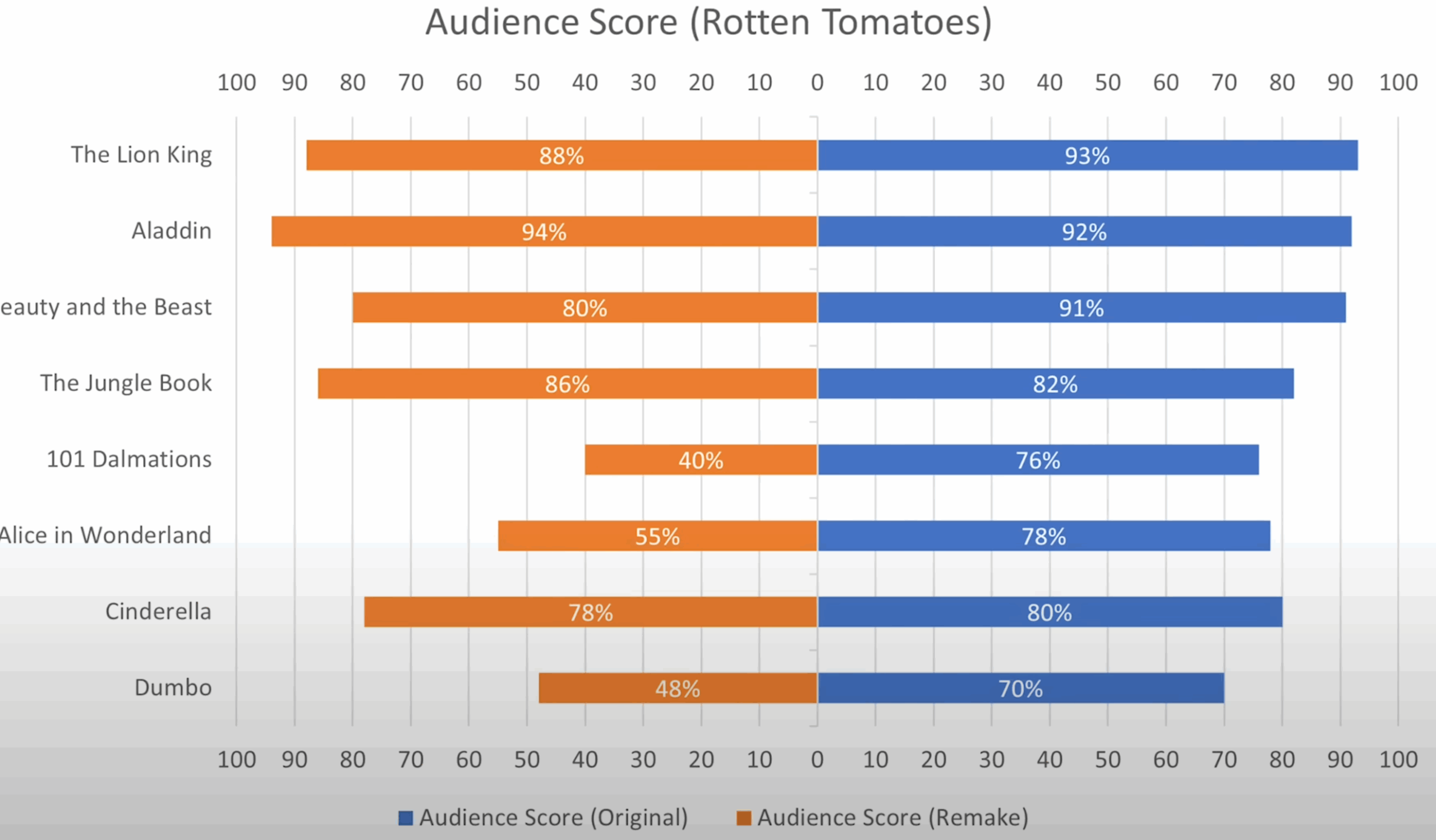
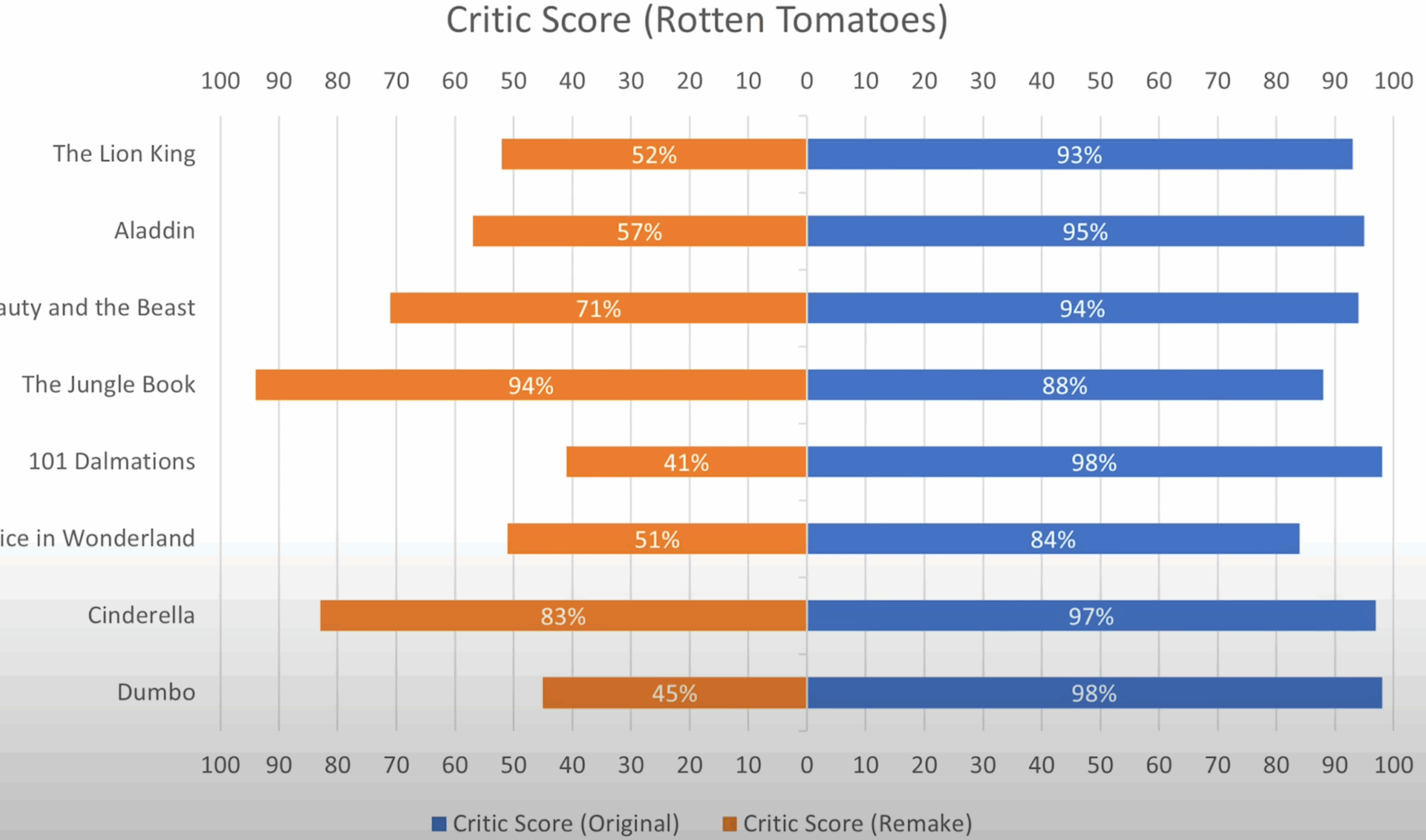
Disney is a prime example of this as shown by the array of remakes and sequels of their animated classics, which were worse than the original. This is not just my personal opinion, but one reflected by audiences and critics alike. As seen in the graph below, originals were rated higher than originals, with the exception of two films.
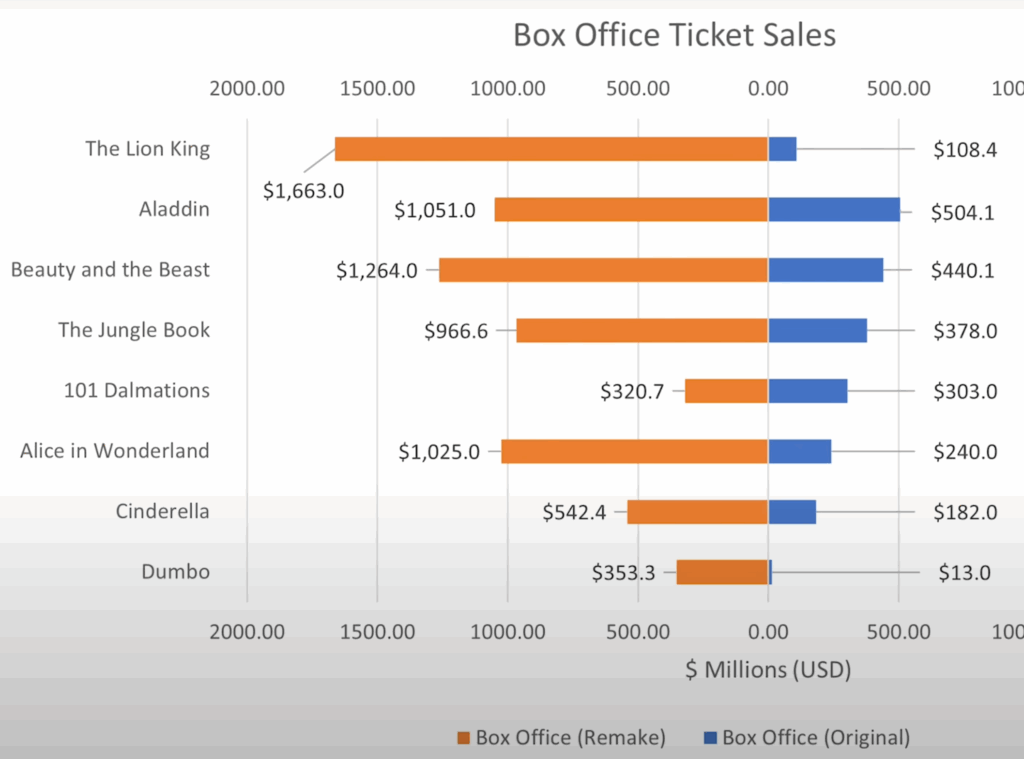
Yet regardless of the weaker ratings, Disney proceeds to create more remakes, why? Because of the profits. When comparing profits between the two, most originals barely make a fraction of the profit. Even when taking the developments in technology, inflation and the more affordable and convenient nature of films nowadays into account, the difference in profits is still staggering. As a result, some critics denounce reboots and sequels as cash grabs, and claim the entertainment industry to be stuck on repeat and “running out of ideas” (para 2, Ashley, 2025). This ideology extends itself to the music industry, as well-known music journalist Simon Reynolds testifies that the past is plaguing contemporary music and threatens the possibility of new or futuristic music being made (Sandhu, 2011).
To further analyse the profit driven nature of nostalgic media, Adam Mastroianni’s Pop Culture Has Become an Oligopoly is a fantastic piece which analyses the growing concentration of power within the entertainment industry (Mastroianni, 2022). He examines how a small number of dominating artists and franchises continue to monopolise attention and success, thus leading to fewer opportunities for new creators or innovative forms of media to emerge. Mastroianni also reflects on the state of innovation and creativity, as he takes note that whilst technological advancements have expanded the way media can be produced and consumed, the diversity of what is being made has significantly declined.
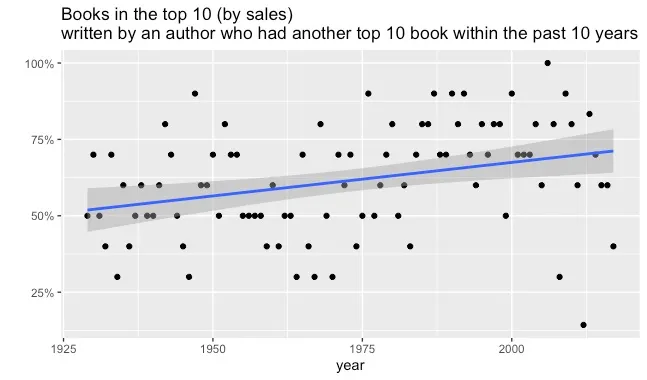
Overall, the shared concern found among experts support the argument that nostalgia driven media, while emotionally supportive, tends to be profit driven and has led to cultural stagnation. Scholars like Niemeyer (2014), Mastroianni (2022) and Reynolds (as cited in Sandhu, 2011) highlight how the industry’s reliance on recycled media, has restricted the ability for new creations and instead reinforces consumeristic tendencies, ultimately shaping a generation more focused on reliving the past than creating something new.
A Reflection on the Cost of Nostalgia
After having researched and analysed this topic, I believe that although nostalgia driven media does have the ability to help build community and act as a safe form of intrapersonal reflection, Its nature to be created purely for profit driven purposes causes cultural stagnation as it kills creativity. I argue that because of these reasons, there are 2 costs to nostalgic media on generational identity; the restriction of creativity and thus the death of individuality, and the commodification of nostalgia its effects on self-expression to be far more materialistic than ever before.
Restriction of Creativity and the Death of Individuality
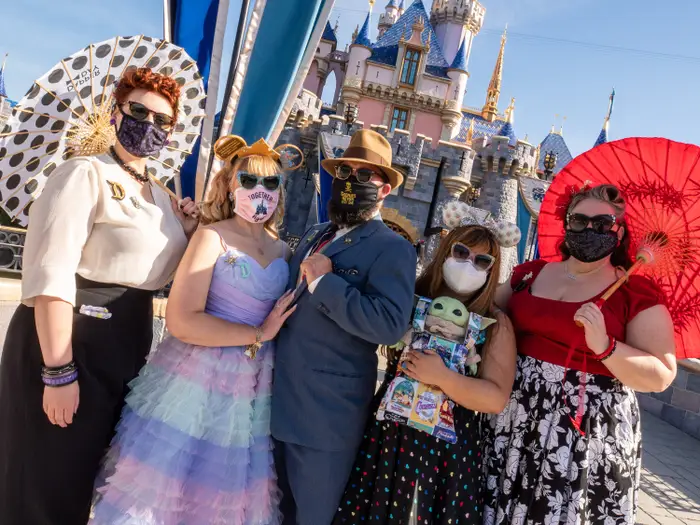
Nostalgia driven media has shaped generational identities to be far too similar and and almost zombie like, as it plagues creativity and individuality. In other words, this generation’s obsession with nostalgic themes in media whether it be a childhood novels or movies, or an interest with the aesthetics of a time like the 80s (anemonia), have hindered people’s abilities to develop their own identities, as they would rather conform to these nostalgic ideals. Instead of nostalgic media acting as a point of reference for people to develop their own ideas, it has become a guideline which often consumes their identity. An extreme example of this would be Disney Adults. Disney adults are individuals who lives and breathes the brand of Disney, and it has been referred to as escapism rooted in the joy and nostalgia Disney provides (Kirouac, 2025). These Disney adults have gone beyond simply appreciating Disney films, and instead devote their life to Disney as they frequent the parks, purchase merch like limited-edition mouse ears and/or set sail on Disney Cruises (Dickson, 2022). They are the perfect example of individuals who have gone beyond appreciating nostalgic media as an enjoyable aspect of their life, and has instead conformed their identities to it, as they start dressing like characters (a concept known as Disney Bounding), listen only to Disney soundtracks and even have their weddings at Disney parks. This phenomenon extends beyond a few people, forming a community so tightly bound by Disney nostalgia, that personal identity takes a backseat to collective devotion.
Commodification of Nostalgia and Consumerism as Self-Expression
The creation of nostalgia driven media, is already categorised to be rather hyper- capitalist, as media is not just remade, but also commercialised through merch and franchises. These reproductions are often created not to better the artistic value but rather to create more avenues of income and profit. In turn, this has shaped generational identity within the 21st century to be far more materialistic, as consumers try to purchase these pieces related to their favourite films, shows and artists.
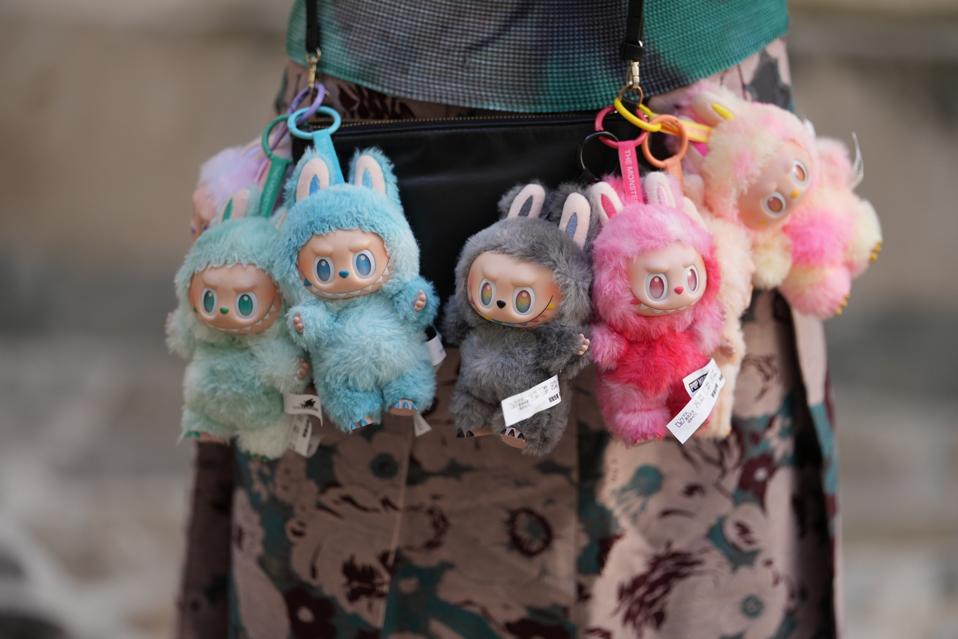
Take Pop Mart’s Labubu for example, a small weirdly cute and ugly collectable monster sold in a blind box style, meaning you don’t know which design you will receive. Its character design is reminiscent of the nostalgic cute and ugly combination found in the 90s and Y2K aesthetic of Furbies, Garbage Pail kids and Troll dolls (Shah, 2025). Alongside this, the blind box way Labubu’s are sold, remind those born in the mid 2000s of popular and nostalgic blind bag toys at the time like Shopkins, Kinder Surprise Eggs and Ooshies. For many collectors, buying and displaying Labubus on their outfit or bas, is a form of self expression, a way to showcase their personality and aesthetic. But, the commercialisation becomes clear when we examine the prices and collectability. The basic plush design costs between $30-$50 AUD depending on the collection and limited edition Labubu’s can go as high as over $1,000 AUD. With over 300 editions including collaborations with brands like Coca-Cola and Uniqlo, Labubu has convince millions of people to not only purchase one, but collect multiple variations. This phenomenon demonstrates how nostalgic media is leveraged as a profit-making machine, transforming consumers to rely on a more material form self-expression. This reinforces the ideas that its capitalistic nature has cultivated a more consumeristic generational identity.
Conclusion
Nostalgia driven media is a double-edged sword. On one hand it fosters community, emotional comfort and self expression as it connects people across generations through shared memories and experiences. On the other hand, its hyper capitalist nature has commodified sentimentality, instead encouraging materialism and shaping identities around consumption over creativity. From Disney adults fully immersing themselves in brand devotion, to Pop Mart collectors expressing their personal style through merchandise, nostalgia can both inspire and constrain identity. Ultimately whilst it offers a comfort banket reminiscent of our past, our dependence on nostalgic media risks limiting individuality and innovation, thus challenging this generation to balance memory with originality.
References
Ashley, M. (2025, October 20). Nostalgia Isn’t Enough To Save Hollywood. But AI Might Be. Forbes. https://www.forbes.com/sites/michaelashley/2025/10/20/nostalgia-isnt-enough-to-save-hollywood-but-ai-might-be/
Bartsch, A., & Viehoff, R. (2010). The use of media entertainment and emotional gratification. Procedia – Social and Behavioral Sciences, 5, 2247–2255. https://doi.org/10.1016/j.sbspro.2010.07.444
Batcho K. I. (2013). Nostalgia: retreat or support in difficult times?. The American journal of psychology, 126(3), 355–367. https://doi.org/10.5406/amerjpsyc.126.3.0355
Belle, G (2022, November 12). How Nostalgia Controls Us. YouTube. https://www.youtube.com/watch?v=U7ogXHmQ-R8
Boym, S. (2001). The Future of Nostalgia: Taboo on Nostalgia?. Goethe University Frankfurt, pg xiii – xix. https://moodle.studiumdigitale.uni-frankfurt.de/moodle/pluginfile.php/563921/mod_resource/content/1/Boym_The%20Future%20of%20Nostalgia%20%282002%29.pdf
Campbell, O. (2023, July 28). Feeling nostalgic? Your brain is hardwired to crave it. National Geographic. https://www.nationalgeographic.com/science/article/nostalgia-brain-science-memories
Dickson, E. (2022, June 21). Culture: How ‘Disney Adults’ Became the Most Hated Group on the Internet. Rolling Stones. https://www.rollingstone.com/culture/culture-features/disney-adults-tiktok-hated-internet-1370226/
Hepworth, S. (2022, Jan 8). Ctrl-alt-delete: Years of rapid tech change and the pandemic disruption are driving a wave of nostalgia. The Guardian. https://www.theguardian.com/technology/2022/jan/08/years-of-rapid-tech-change-and-the-pandemic-disruption-are-driving-a-wave-of-nostalgia
IsabeauTS (2025, August 17). Lights, Camera… Again? Hollywood’s Sequel Addiction. NETS2001 Writing on the Web. https://wotw.netstudies.org/2025/08/17/lights-camera-again-hollywoods-sequel-addiction/
Jarrett, C. (2023, September 22). Human Body: Anemoia: the psychology behind feeling nostalgic for a time you’ve never known. BBS Science Focus. https://www.sciencefocus.com/the-human-body/anemoia-nostalgia
Kataya, E. (2024, June 12). Why are there so many sequels and reboots these days?. Northeastern Global News. https://news.northeastern.edu/2024/06/12/movie-remakes-sequels-reboots/
Kirouac, M. (2025, August 7). The Rise of the Disney Adult: Is it a hobby or a form of escapism? One self-proclaimed Disney Adult explains why the theme park’s not just for kids. InsideHook. https://www.insidehook.com/culture/rise-disney-adult
Mastroianni, A. (2022, May 24). Pop Culture Has Become an Oligopoly. Experimental History. https://www.experimental-history.com/p/pop-culture-has-become-an-oligopoly
MediaCat. (2024, April 16). Is nostalgia killing or breathing new life into creativity?: We ask a host of marketers where they stand on the issue. MediaCat. https://mediacat.uk/is-nostalgia-killing-or-breathing-new-life-into-creativity/#
Merriam-Webster. (n.d.). Nostalgia. In Merriam-Webster.com dictionary. Retrieved September 20, 2025, from https://www.merriam-webster.com/dictionary/nostalgia
Niemeyer, K. (2014). Media and Nostalgia yearning for the past, present and future: Introduction Media and Nostlagia. Pg 1-6. https://kniemeyer.net/wp-content/uploads/2017/02/intro_media_and_nostalgia.pdf
Routledge, C. [TED-ED]. (2016, November 22). Why do we feel nostalgia? – Clay Routledge. YouTube. https://www.youtube.com/watch?v=WiTgn5QH_HU
Sandhu, S. (2011, May 29). Retromania: Pop Culture’s Addiction to its Own Past by Simon Reynolds – review. The Guardian. https://www.theguardian.com/books/2011/may/29/retromania-simon-reynolds-review
 Han Tianyong
  Yinan Zhou
  Xinyue HOU