
The smell of oversalted popcorn, cushioned recliner seats, and a stranger sat behind you munching on their M&Ms – these sensations once defined the movie viewing experience. However, the dominance of streaming culture is killing cinema-going. Streaming services allow for ease in accessibility and on-demand viewing, with media delivered in real time through the internet for anyone at any place. Many of us view digital streaming as the standard in the film industry, but what changes have been made to create and cater to this new norm?
Streaming has changed every fibre of the film industry, from the way films are produced and distributed, to providing creatives of low budget and independent productions with unique benefits. Getting your film a cinema screening is often a difficult feat, especially in a cinematic era of remakes, novel adaptions and sequels; however, streaming service commissioning allows for original stories to flourish, with many major studios bypassing cinema screening to release films directly on to online services.
Despite these benefits, there is an undeniable excitement and anticipation that comes with waiting patiently (impatiently in my case) for a film’s release at the cinema, with cast announcements, behind-the-scenes photos and shoot updates dropped along the way like breadcrumbs. With online streaming though, the traditional film cycle has shifted drastically and the time in which it takes to film, release a trailer and become available on streaming is shortening, leading to new audience expectations and demands, that box office cinema productions often struggle to keep up with. The Netflix, Stan and Prime originals seem to be getting pumped out every second, though those services certainly know how to keep their audience satisfied. The emergence of streaming culture has significant and complex impacts on the film industry, such as altered production and distribution cycles, increased success of Indie films, shifts in consumer demands, and a decline in physical cinema-going.
The Modern Supply Chain of Film
Streaming services have significantly modified the production and distribution cycles of films,reducing the need for theatrical release and traditional supply chains. Now that cinema debuts and box office hits aren’t the expectation or a necessity in the success of a film, many producers are exploring niche and diverse content and skipping theatrical release entirely, as well as shifting the way they distribute their media for it to be consumed.
The transition to streaming services sparked in the late 1990s to early 2000s, with internet technologies and broadband connections on a steady rise, and the introduction of Netflix’s streaming platform in 2007. Netflix’s fresh and exciting move began the evolutionary shift in how audiences access film entertainment, ultimately paving the way for the on-demand distribution cycle that continues to dominate the film industry today. To say streaming services are mainstream would be an understatement, as they have become present in households around the world, existing on multiple devices and catering to a range of genres, content forms and consumer preferences. Because of this dominance, the supply chain of film production has been significantly changed, resulting in disrupted release windows, altered finance models and modified creative rights.
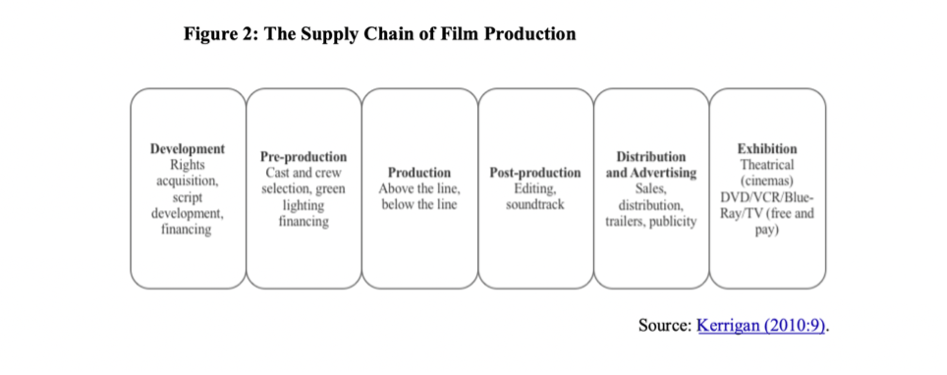
In terms of streaming productions, many viewers share a preference for serialised and binge worthy content rather than stand-alone film. A streamed series is a form of produced content that does not require theatrical release and also reduces the distribution windows. Many TV enthusiasts are likely unaware of the fact that their ability to speed through an eight-episode series in a day is made possible because of the technological advancements in digital streaming, that make duplicating and releasing films faster, and distribution cheaper.
The Birth of New Production Roles
A new role in film distribution has manifested as a result of online streaming, that being an Aggregator, or the middleman between a films rights owner and the streaming service it is distributed on. The aggregator companies assist on-demand services in enhancing their potential and globalising their films. They also play a key role in developing digital distribution strategies for smaller film productions that do not reap the benefits of traditional theatrical release. In addition, the traditional role of a films sale agent has been adapted by the streaming service culture, as digital creative rights are becoming increasingly complex and almost problematic in some cases. Many filmmakers are unsure as to what the exact rights are they may negotiate, leading to blurred boundaries of control when the internet and what exists is accessible as a resource for the world to utilise. When films are available on-demand, the streaming services become another customer for sales agents to sell the rights to.
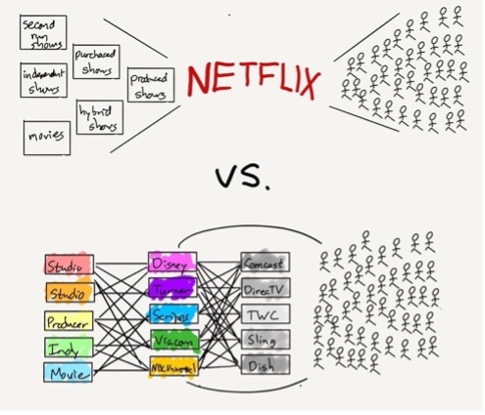
Streaming services provide alternative finance opportunities to assist producers in creating their films, with many large on-demand streaming companies monopolising with large production deals. This is a conflicting factor as it provides opportunities for independent films to find their footing, while dominating small, local broadcasting networks. The rise in streaming culture has completely rewired the traditional chain of supply and demand of films, resulting in reduced distribution windows, the bypassing of theatrical release and both new opportunities for local content and a large competitor in the broadcasting industry.
Success of Independent and International Films
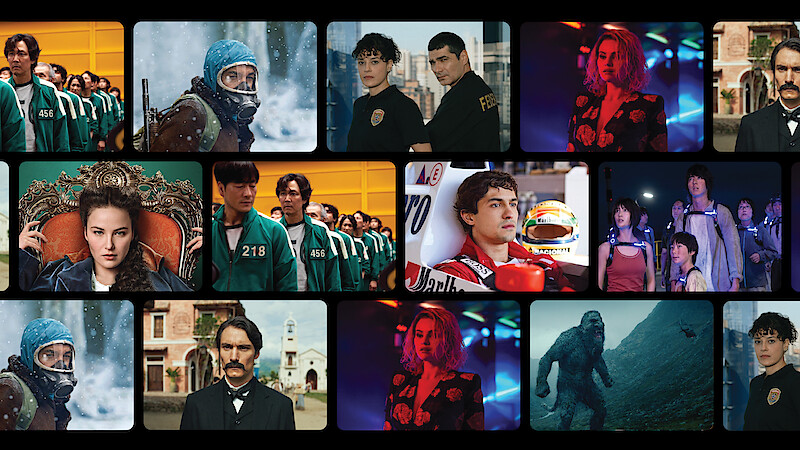
The prevalence of streaming in the film industry has provided a platform for independent productions and international works to thrive. Many streaming services desire to expand at a global level while also shaping content to adhere to the tastes and preferences of a works local audience. Netflix is one of the major services that has applied itself to producing original content for global market audiences, with a strong focus on non-English speaking films that represent local contexts.
Films inherently possess cultural value and weight as they are often a crucial element of national heritage and representative of, “a countries language, customs and attractions to a worldwide audience.” Geographical barriers are no longer a restraint for rights holders when films become accessible on streaming services, as they allow reach to a broader worldwide audience. In addition, there are often many economic and competitive challenges when securing a theatre release, therefore small production and independent films can be deservingly recognised by audiences on streaming platforms. By platforming dynamic storylines, niche genres and abstract messages that so often accompany indie works, streaming services are able to maintain the art and political messages of film that often lose out to blockbuster hits that are designed for mainstream commercial appeal. Digital streaming has been attributed as the launchpad for many creative careers, such as BlackBerry director Matt Johnson, and his upwards career trajectory after the release of his web series ‘Nirvanna the Band the show.’
The Technicalities behind Success
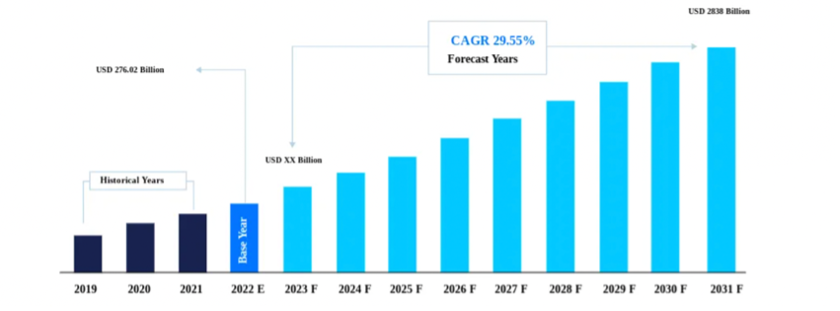
Netflix and Amazon Prime are often referred to as ‘over the top platforms’ (OTT). Both streaming services are dominant figures in the OTT market which is expected to reach a value of USD 2,838 billion by 2030 or an estimated Compound Annual Growth Rate (CAGR) of 29.55%. This lucrative market builds a lot of its success on allowing film creatives to omit film festivals and theatrical release, or gatekeepers as many in the film industry refer to them as. The streaming services or OTT platforms offer access to a global audience, while providing more control and distribution flexibility to independent producers.
There are several dedicated initiatives, opportunities for funding and genre sections on streaming services that encourage the discovery and production of independent films, thus promoting diverse perspectives and voices.
Streaming platforms also utilise algorithms to recommend films to consumers, which assists indie productions in finding their audience as opposed to having to rely on box office performance. The ever-growing culture of staying home and streaming films on your own device, has had significant impacts on the indie and foreign film industry, with a lucrative market, algorithms and geographical freedoms that allow the niche works to find their audience and enjoy the fruits of their labour.
Our Audience Demands & Expectations Have Impact
Audience expectations have shifted as streaming services continue to dominate, leading to dynamic storylines, diverse perspectives and quality cinematography in films being of utmost priority. What distributors demand and search for in films is continuously guided by the demands of us consumers, as films are frequently produced with the consumers in mind . With the dominance in streaming culture, many audiences have increased their expectations of films and hold producers and the quality of storylines and cinematography to a higher standard. The advancements in technology and the internet means that streaming services appear superior with the higher quality definition and on-demand streaming, thus reshaping audiences viewing habits and expectations. With the streaming industry becoming more competitive each day, the services are also having to adapt to audience needs and expectations. The streaming services are constantly trying to one up the next by offering platform exclusive content, subscription discounts and original films, to name a few incentives.
Why Cinematography is the Best it has Ever Been
An interesting factor of streaming to me is how it has influenced the cinematography in films, such as the techniques of lighting and composition that filmmakers use. Traditional cinemas relied on professional and controlled environments to maintain optimal viewing, however, streaming platforms have to instead adapt to various screen sizes and environmental conditions such as lighting and resolution. This means that cinematography must shift and progress to ensure quality visuals across all viewing scenarios. Several trends in cinematography have emerged as a result of streaming, such as a greater dependence on high contrast lighting, HDR technology and its links to colour gradings, tighter composition and framing and several other technical adjustments to reflect the streaming environment.
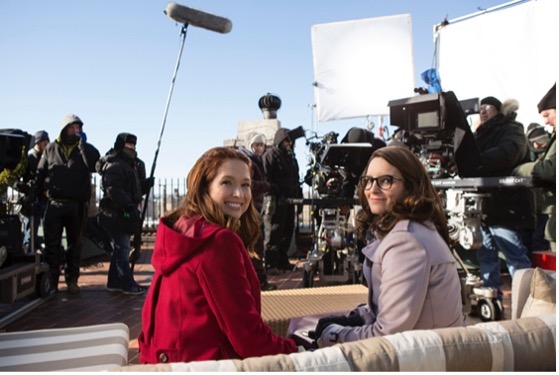
Ultimately, cinematographers are advancing their technical skills to cater to the various devices streaming occurs on, making sure that audiences are always satisfied and that their expectations are being met. The tendency for audiences to ‘binge-watch’ has also had an influence on the way storylines are produced, with unique narrative pacing and styles and creative storytelling strategies emerging to appeal to audience engagement. The democratisation of content and distribution on streaming services has enabled culturally diverse perspectives and niche stories to flourish and reach international audiences, a positive result of the shift from traditional cinema to digital streaming.
The Determined Demise of Cinema
Streaming culture has significantly contributed to the decline or ‘death’ of traditional cinema, with the transition to online viewing leaving physical theatres eerily deserted. Streaming services allow for convenience in viewing as well as affordability, which has resulted in a transfer of audience preferences to staying home and binging a series rather than going to a physical theatre. Because traditional cinemas and small art house theatres can only have a select array of films showing at a time, many consumers are choosing streaming for its wide variety of films, both original, local and international. This has significant impacts on the livelihood of theatres, both mainstream and independent, as the loss in attendance and box office revenue leaves cinemas economically vulnerable and as risk of closing their doors for good. As mentioned before, there is also an expectation now of original and diverse content, which streaming services are able to fulfil. Many unique stories, female leads or unconventional dynamics in film are now being displayed on streaming without the constraints of box office norms, therefore traditional cinema is having to adapt to the demands of this type of content and completely shift away from the predictable formula that dominates the box office film industry.
Looking to The Future
The escalating dominance of streaming services has had complex influences on the film industry. The movie viewing experience has completely shifted from cinema outings to on-demand streaming, which reflects the changing standards of the internet and advancements of technology. There are obvious upsides and downsides of streaming culture, and it will always remain a nuanced point of contention among society, with many embracing modernity while others cling to the past. Personally, I will always love a trip to the cinema, especially to see a film I have been greatly anticipating; however, it is evident that with rising costs and other factors, viewing a film in the cinema has become a luxury. While movie theatre attendance numbers may be dropping, with many people choosing to binge whatever they want from wherever they want, there has also been an increase in opportunities for independent films and international creators to expand the reach and reward of their works – a satisfying result of the democratisation of film.
Cinephiles will likely always argue that streaming is the worst thing that could happen to the film industry, and they are well within their right to do so. However, I think it is important to note that films have become far more accessible to everyone around the world through streaming, allowing people to view works they would never have seen before, as well as experience the art and joy of film. Despite the growing culture of on-demand streaming, there can be a sustainable future for the film industry, as long as collaboration between the streaming services, the creatives and the distributors is maintained ethically. If that is achieved, then I believe the film industry will continue to prosper.
 Guan QiuYu
  REN Ren
  Tan Kane