

(Britannica 2025) (Johnson 2014)
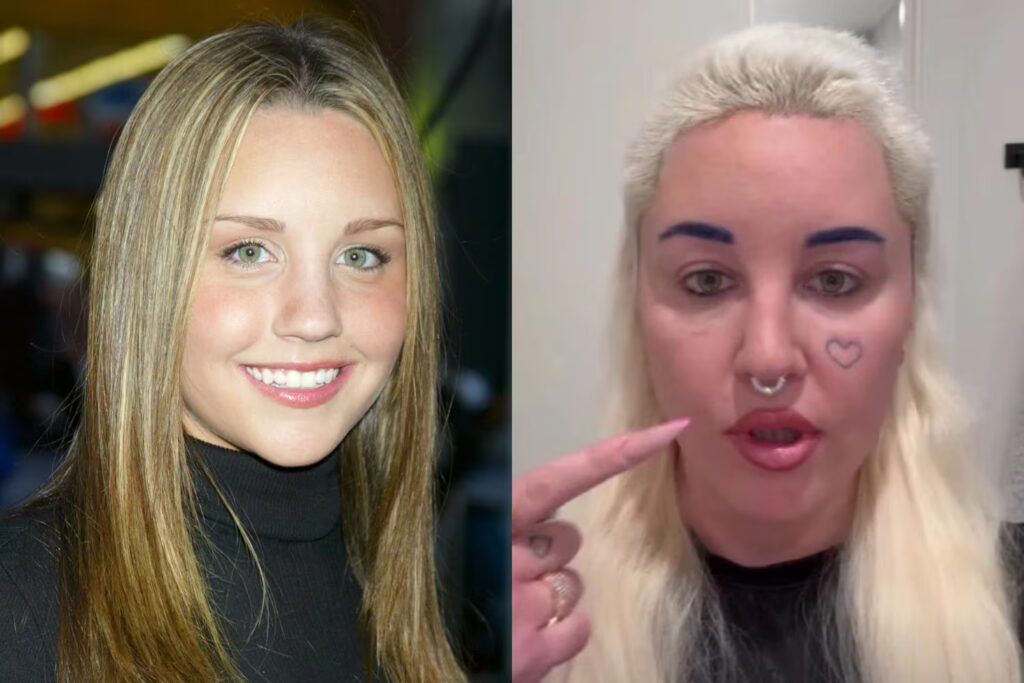
Seeing a headline about a child star’s breakdown is hardly surprising anymore. Photos of young celebrities stumbling out of nightclubs, facing addiction, or trapped in legal chaos have become a pop culture ritual. Britney Spears, Amanda Bynes and Drew Barrymore are remembered as much for their public struggles as for their early talent. Their stories feed a familiar belief – that early fame is a sparkly dream that always turns into a nightmare.
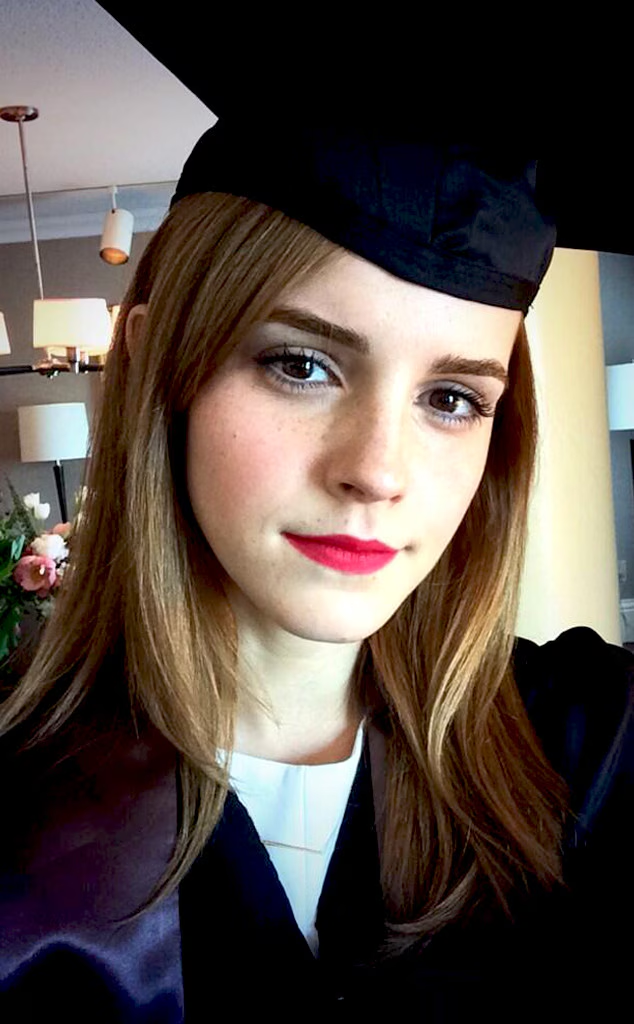
Yet not every child star unravels. Emma Watson and Zendaya prove it’s possible to grow up under the spotlight and still emerge grounded, educated, and respected. Their paths complicate the usual narrative. If fame isn’t automatically destructive, what separates those who fall apart from those who flourish?
Research suggests that young performers experience higher rates of psychological challenges than their peers, but outcomes depend on the protective structures surrounding them, such as family stability, legal safeguards, and access to emotional support (Anderson 2011.) Early fame creates a “perfect storm” for emotional and developmental harm if these protective structures fail (Ramos 2025.) This article argues that childhood fame is not inherently destructive; rather, it becomes dangerous when the entertainment industry neglects the mental, financial, and emotional wellbeing of its youngest workers.
(NZ Herald 2023.)
One of the most visible costs of growing up famous is its effect on mental health. Child actors are particularly vulnerable to anxiety, depression, and identity confusion because their formative years unfold under constant scrutiny (Anderson 2011.) The ordinary messiness of adolescence, figuring out who you are, learning independence, and making mistakes in private, happens in front of millions.
Early fame requires children to perform with adult-level professionalism long before their emotional regulation is developed, which often leads to instability and confusion (Ramos 2025.) When accolades replaces genuine care and when caregivers double as managers, children start to believe that the love they receive is based on the quality of their performance. They learn that their own worth depends on staying marketable, not on being authentic (Ramos 2025.)
Britney Spears’ 2007 breakdown and subsequent conservatorship reveal what can happen when fame replaces family and therapy with contracts and control. Amanda Bynes’ mental-health crises followed a similar path, showing what occurs when the system celebrates profit but ignores wellbeing (Ramos 2025.) Jennette McCurdy’s memoir I’m Glad My Mom Died describes the pressure of constant control, with McCurdy admitting she…
“had no autonomy”
…and was forced to prioritise pleasing her mother above all else (News 2022.)
These stories show the emotional rollercoasters behind the glamour, a place where childhood needs for safety and affection are replaced by performance schedules and public judgment. Yet stars like Watson and Zendaya show another side. Both of these young women built strong boundaries, pursued education and worked with teams that prioritised their personal development. Their experiences prove that with the right support, early fame doesn’t have to leave lifelong scars (Shoard 2025.)
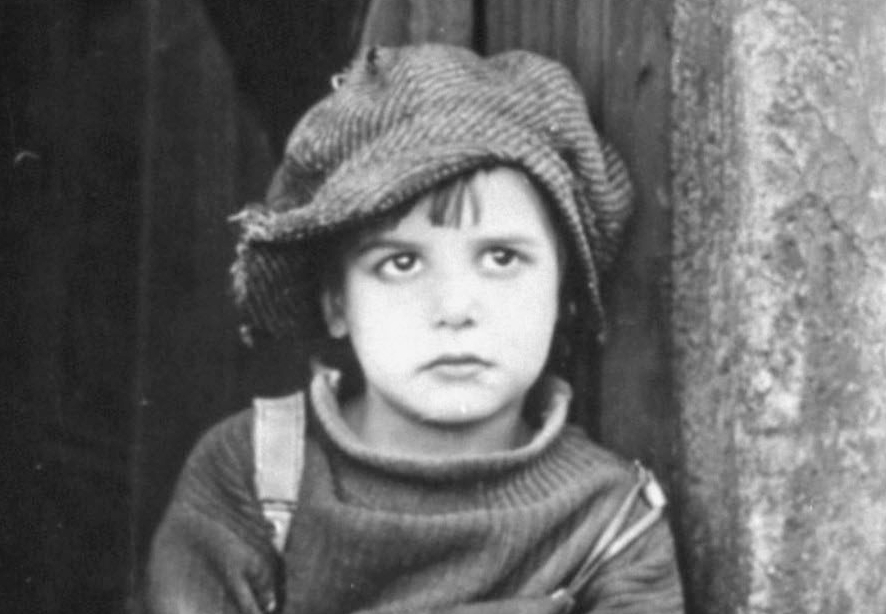
Another hidden cost of child fame is financial exploitation. Unlike adults, young performers have little control over their earnings, leaving them open to abuse by parents or studios. Jackie Coogan, one of the first child film stars, earned millions in the 1920s only to discover his fortune was gone, spent by his mother and stepfather. His lawsuit led to the creation of the California Child Actor’s Bill, or “Coogan Act,” which required 15 per cent of a child’s income to be held in trust (UCLawSF Comment 2024.)
(Javaid 2023)
While the law was groundbreaking, it wasn’t enough. Gary Coleman, famous for Diff’rent Strokes, earned roughly $18 million, but by adulthood, his finances were drained after legal battles with his parents (UCLawSF Comment 2024.) Macaulay Culkin, one of the highest-paid child actors of the 1990s, sought legal emancipation as a teenager to protect himself from similar exploitation. This financial manipulation is often an addition to the emotional harm they are challenged with, leaving children without the rewards of their work (Ramos 2025.)
The real issue isn’t the money these children are receiving, but the adults managing it. When parents and agents prioritise profit over protection, financial abuse becomes almost inevitable. Those few who emerge financially stable often do so because of strong oversight and trustworthy guardians, not because the system works in their favour. The power imbalance between a working child and the adults paid to represent them makes exploitation not just possible, but predictable (UCLawSF Comment 2024.)
Adolescence is supposed to be a time for experimentation, trying on identities, changing interests, and learning who you are. For child stars, that space for exploration barely exists. Erik Erikson’s theory of psychosocial development emphasises that teenagers form identity through trial and error, but fame allows little room for mistakes (Anderson 2011.)
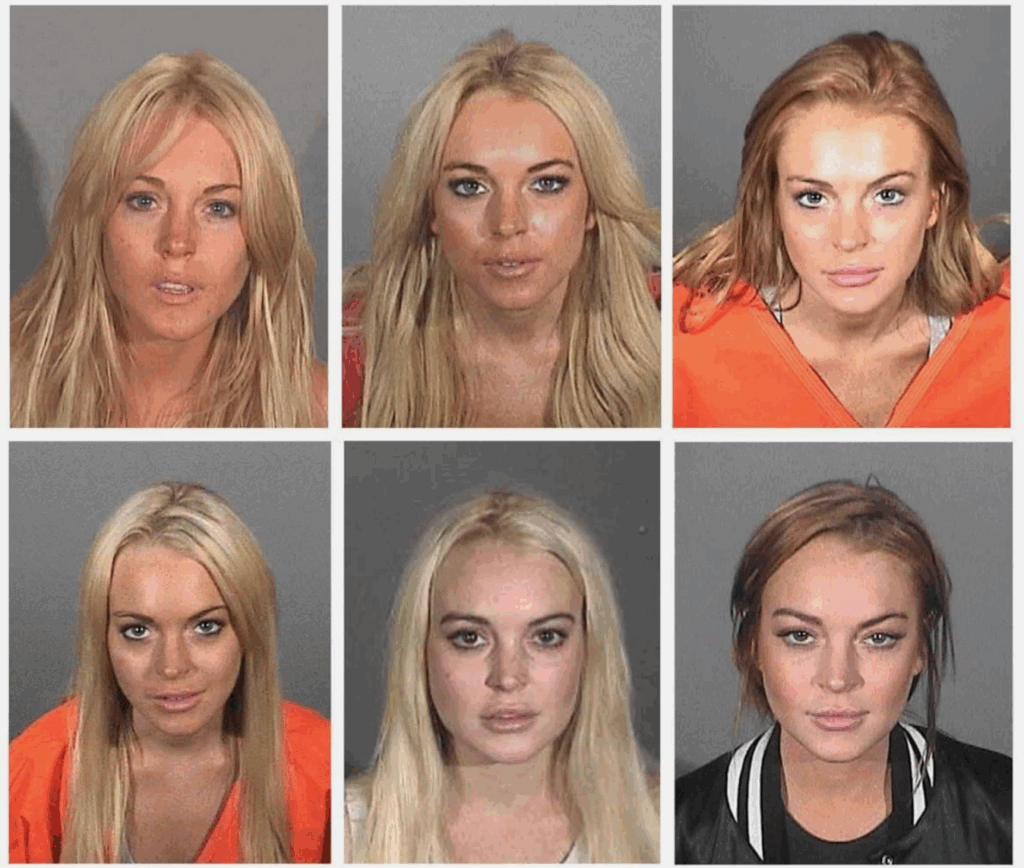
Lindsay Lohan’s attempt to transition from wholesome Disney roles into adult cinema was met with relentless scrutiny, turning her attempt at reinvention into destructive headlines. Miley Cyrus faced the same challenge, using shock value to escape the Hannah Montana image, but the backlash showed how little freedom audiences allow young women to change. When a child’s sense of self becomes tied to public identity, their development can freeze in place (Ramos 2025.)
(Ebay 2025)
By contrast, Emma Watson and Zendaya show how fame can be managed with strong boundaries. Watson deliberately paused her acting career to study at university, creating an identity separate from Hermione Granger. Zendaya chose diverse, mature roles and kept a small, trusted circle of mentors to protect her privacy. Their experiences suggest that identity crises are not inevitable but reflect how well young actors are guided through transitions (Shoard 2025.)
The entertainment industry, the media and the public all play a part in this psychological damage. The culture profits from watching innocence unravel, and the “fallen star” narrative sells. The paparazzi’s treatment of Britney Spears in the 2000s is now widely condemned, but at the time it was entertainment. The #FreeBritney movement later reframed her breakdown as the result of exploitation rather than personal failure (OHCHR 2024.)
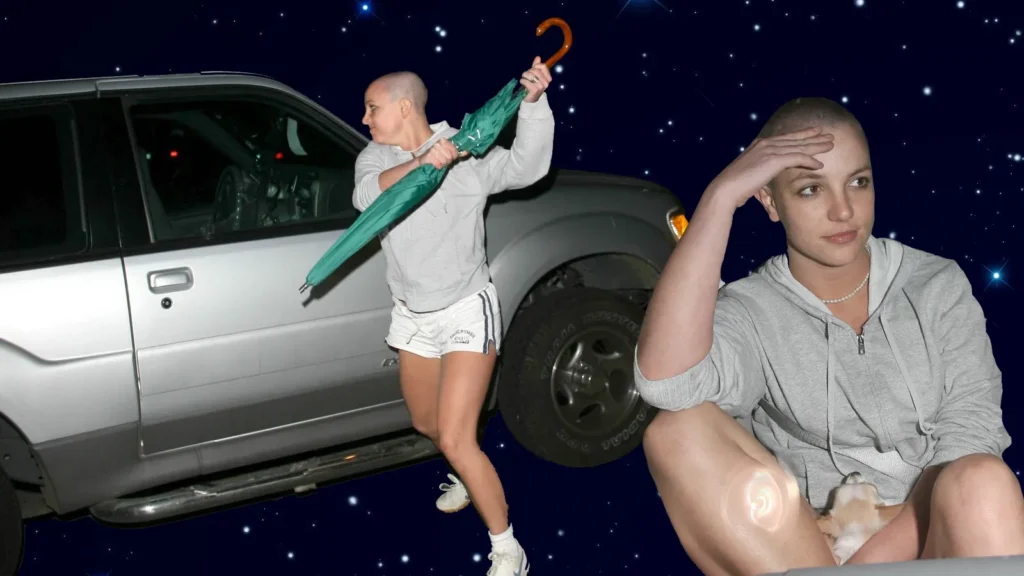
(Sunderland 2017)
The public consumes the trauma of child stars as spectacle, often without recognising the damage caused. Ramos notes,
“to be a child actor is to grow up under scrutiny, with millions of eyes watching but no one truly seeing you”
The same lens that celebrates childhood success can magnify adult vulnerability. Still, not all media interactions are destructive. Zendaya’s team carefully curates her image, highlighting professionalism rather than personal drama. Emma Watson uses her platform to advocate for education and gender equality, shifting focus from her private life to her values. The difference lies not in fame itself, but in whether the system protects or exploits its young talent (Ramos 2025.)
Some argue that no child can handle fame, no matter how well supported (Anderson 2011.) From a developmental standpoint, this seems reasonable: children lack the tools to manage pressure and public obsession over River Phoenix who died young after childhood stardom pushed them into adult environments too soon are the kind of tragedies that fuel the belief that fame itself is toxic (Ramos 2025.)
But fame doesn’t always end in tragedy. Zendaya, Watson, and Drew Barrymore, who rebuilt her life after addiction, show that resilience is possible. The issue lies not in fame, but in neglect and the lack of support systems that nurture growth (Anderson 2011.) With the right protection, young performers can navigate visibility without losing themselves to it (Ramos 2025.)
The cost of growing up famous should not be inevitable destruction. The difference between success and collapse lies in whether the system provides consistent care, clear boundaries, and accountability. Without this, early fame becomes an experiment in survival. (Anderson 2011.)
Real change starts with stronger policy, fair pay structures, therapy access, and limits on working hours for minors (UCLawSF Comment 2024.) On-set counsellors, independent welfare advocates, and parental education programs could prevent many of the abuses that have become industry norms (OHCHR 2024.) Audiences also need to change, their habit of consuming breakdowns as entertainment only sustains the cycle and keeps the industry addicted to preying on the downfall of these young talents (Ramos 2025.)
Ultimately, the spotlight will always be intense, but it doesn’t have to burn. With real protection, financial, emotional, and legal, children in the entertainment industry could grow up not as cautionary tales, but as healthy, fulfilled adults (Ramos 2025.) The downfall of child stars is not inevitable; it’s a reflection of how badly the system still fails them (Anderson 2011.)
References
Agencies. 2014. “Emma Watson Graduates from Brown University.” The Telegraph. May 25, 2014. https://www.telegraph.co.uk/culture/10855882/Emma-Watson-graduates-from-Brown-University.html.
Anderson, Leslie M. 2011. “Myself or Someone like Me: A Review of the Literature on the Psychological Well-Being of Child Actors.” Medical Problems of Performing Artists 26 (3): 146–49. https://doi.org/10.21091/mppa.2011.3023.
Britannica. 2025. “Macaulay Culkin | Age, Wife, Brother, Siblings, Brenda Song, Bunny Ears, & Facts | Britannica.” Www.britannica.com. October 1, 2025. https://www.britannica.com/biography/Macaulay-Culkin.
Caruso, Skyler , and Kylie Hemmert. 2016. “Meet Zendaya’s Parents! All about Her Mom Claire Stoermer and Dad Kazembe Ajamu Coleman.” People.com. 2016. https://people.com/all-about-zendaya-parents-claire-stoermer-kazembe-coleman-8721251.
Cherry, Kendra. 2023. “Identity vs. Role Confusion in Psychosocial Development.” Verywell Mind. December 4, 2023. https://www.verywellmind.com/identity-versus-confusion-2795735.
Coacci, Jessica. 2025. “Harry Potter Star Emma Watson Says She Paused Her Career at 29, after 16-Hour Work Days Turned Her into ‘an Insane Person’ Who Couldn’t Hold a Conversation.” Fortune. September 25, 2025. https://fortune.com/2025/09/25/millionaire-actress-hollywood-harry-potter-star-celebrity-emma-watson-paused-her-career-at-29-after-16-hour-days-career-pivot-gen-z-millenials-workers-work-life-balance-shift-masters-education-college/.
Coley, Rebekah Levine, Alicia Doyle Lynch, and Melissa Kull. 2015. “Early Exposure to Environmental Chaos and Children’s Physical and Mental Health.” Early Childhood Research Quarterly 32: 94–104. https://doi.org/10.1016/j.ecresq.2015.03.001.
Ebay. 2025. “LINDSAY LOHAN MUG SHOTS GLOSSY POSTER PICTURE PHOTO Mugshot Funny Red Head 2056.” EBay Australia. 2025. https://www.ebay.com.au/itm/261668771080?srsltid=AfmBOoomDc6uJNOvd786GYinFhNtKWyEHpc1ZhzJFzxpxysVZZMSZPdz.
Hearon, Sarah. 2022. “Britney Spears’ Ups and Downs over the Years.” Us Weekly. June 10, 2022. https://www.usmagazine.com/celebrity-news/pictures/britney-spears-ups-and-downs-over-the-years/.
Hill, Edith Jennifer. 2024. “Quiet on Set Highlights How We Don’t Keep Child Stars Safe – in Hollywood or Online.” The Conversation. April 9, 2024. https://theconversation.com/quiet-on-set-highlights-how-we-dont-keep-child-stars-safe-in-hollywood-or-online-226826.
Itzkoff, Dave. 2022. “Jennette McCurdy Is Ready to Move Forward, and to Look Back.” The New York Times, August 3, 2022, sec. Books. https://www.nytimes.com/2022/08/03/books/jennette-mccurdy-memoir-mother.html.
Javaid, Maham. 2023. “Before Child Influencers, a 1920s Movie Star Sued His Mother for Wages.” Washington Post, August 25, 2023. https://www.washingtonpost.com/history/2023/08/25/illinois-child-influencer-earnings-law-history-jackie-coogan/.
Johnson, Zach. 2014. “Emma Watson Graduates from Brown University—See the Star in Her Cap and Gown!” E! Online. 2014. https://www.eonline.com/news/545087/emma-watson-graduates-from-brown-university-see-the-star-in-her-cap-and-gown.
King, Ashley . 2024. “Decreasing the Price of Fame: Research on the Use of Child Life Specialists in the Entertainment Industry.” Bank Street College of Education: Graduate Student Independant Studies.
News, ABC. 2022. “Jennette McCurdy Shares the Stories behind Memoir ‘I’m Glad My Mom Died.’” YouTube. https://www.youtube.com/watch?v=hkqXK7nsvW0.
NZ Herald. 2023. “Noughties Star Amanda Bynes Is Unrecognisable after Having Eyelid Surgery.” NZ Herald. December 12, 2023. https://www.nzherald.co.nz/entertainment/noughties-star-amanda-bynes-is-unrecognisable-after-having-eyelid-surgery/LUFFPALMNJC5VOH3CAISICCANQ/.
Obermayer. 2015. “The Emancipation of ‘Home Alone’ Character Kevin – Family Matters.” Family Matters. November 16, 2015. https://www.obermayerfamilymatters.com/2015/11/the-emancipation-of-home-alone-character-kevin/.
Ramos, Tony. 2025. “Smile for the Camera: The Psychological Toll of Child Fame.” Cognitive Psychology News Journal. June 2025. https://journalofcognitivepsychology.com/smile-for-the-camera-the-psychological-toll-of-child-fame/?utm_source=chatgpt.com.
Shoard, Catherine. 2025. “Emma Watson Explains Long Break from Acting: ‘I Do Not Miss Selling Things.’” The Guardian. The Guardian. September 23, 2025. https://www.theguardian.com/film/2025/sep/23/emma-watson-explains-long-break-from-acting-harry-potter.
Simon, Denise. 2023. “Work Permits and Coogan Accounts: What You Need to Know for Child Actors.” Backstage.com. March 9, 2023. https://www.backstage.com/magazine/article/coogan-law-explained-child-actors-3978/.
Sunderland, Mitchell. 2017. “Paparazzo Auctioning off Umbrella from Infamous Britney Spears Attack.” VICE. February 21, 2017. https://www.vice.com/en/article/paparazzo-auctioning-off-umbrella-from-infamous-britney-spears-attack/.
The Editors of Encyclopaedia Britannica. n.d. “Jackie Coogan | American Actor | Britannica.” Www.britannica.com. https://www.britannica.com/biography/Jackie-Coogan.
 WEI JIACHEN
  Guan QiuYu
  REN Ren