

Source: https://fintechnews.sg/95808/studies/the-rise-of-gaming-industry-segment-that-cannot-be-ignored
The current video game industry, despite quality improvements thanks to technological advancements, has had a downhill trend, with constant unnecessary price hikes and microtransactions and forced inclusivity in video games at the expense of its quality.
The year 2025 has seen a worrying trend where it is reported approximately 11% of developers were being laid off in the past year, with a staggering 41% being affected, whether directly or indirectly, by these cuts. Perhaps most tellingly, 19% of those laid off received no explanation for their termination, something many video game companies, such as Activision, EA, and Ubisoft, and where CEOs such as Phil Spencer of Microsoft increase their own salary and use the propaganda of “inflation” to say that prices are going up, so they need to cut costs.
Another one of the current issues plaguing the gaming industry is a feeling of creative stagnation, as seen from recent trends in game releases. This is usually not due to a lack of talent or ideas, but rather an act of averting possible risks for major publishers. As Litvinova states, “Why reinvent the wheel when you can just tweak what already works?”. The consequence is a market dominated by sequels, remakes and copycats of popular games that offer very little change from the original’s formula. For example, at best shooters can revamp their weapon lineup and change the story setting, and a sports simulator at best can have graphical and roster updates, but at the end of the day, the foundational mechanics will remain painfully familiar.
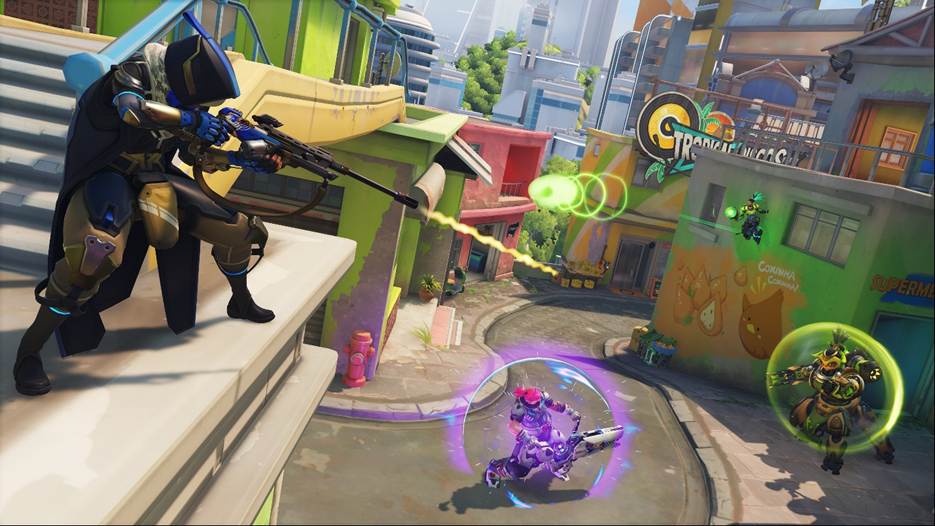
Source: https://overwatch.blizzard.com/en-us/news/23857518/
This problem can extend to oversaturation of specific game genres, as if we were to look at the array of recent AAA games it is easy to see that the success of titles like Fortnite and Overwatch have caused there to be many similar games released after that follow the trend created by them such as Paladins, Valorant and Apex Legends. While these games are not bad, it does create a gaming market where many games look and feel similar to each other.
However, the solution to preventing market oversaturation is not necessarily straightforward. Aggressive protection of game concepts can itself become a barrier to creativity. In September 2025, Nintendo secured a patent related to the concept of “in-game characters summoning others to battle”, a move widely seen as a direct response to the breakout success of Palworld and its similarities to the Pokémon formula. While Nintendo’s reaction was technically valid, it can be argued that patenting such broad, foundational mechanics can have a negative effect on future innovations built off this concept. Franchises like Digimon, Persona, and the Shin Megami Tensei series have built entire identities around summoning mechanics and have it implemented in their games in very distinct, creative ways.
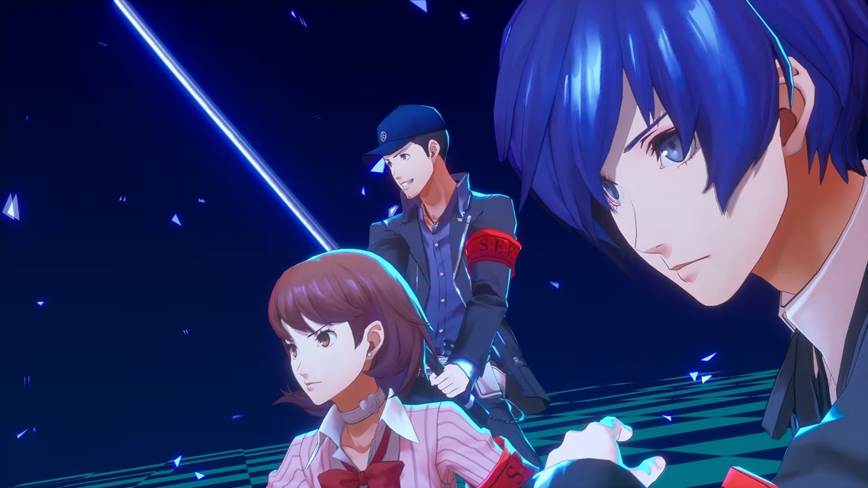
Source: taken by me in game Persona 3 Reload
This, overly broad restriction like these threatens to wall off further evolution for the genre, creating another difficult problem for the gaming industry.
The dangers of stagnation and saturation were made even more obvious with the catastrophic launch of Concord in August of 2024. Developed by Firewalk Studios, with a reported budget between USD$200 and USD$400 million, released to a peak of less than a thousand concurrent players. A death sentence for hero shooters, which is heavily reliant on a large and active online community. By September 6th, just 14 days after release, the game was put permanently offline, pulled from stores and all copies were refunded, solidifying itself as one of the biggest failures in gaming history.
Concord was another game that tried their hand at the deeply crowded hero shooter arena against entrenched titans like Overwatch 2, Apex Legends, and Valorant without a compelling differentiator. Where a competitor like Marvel Rivals leveraged a beloved IP and differentiated themselves with a distinctive comic-book aesthetic, Concord was just another generic imitation of its competitors with less appealing gameplay.
But more importantly, the backlash surrounding Concord was part of a larger, contentious debate about the role of Diversity, Equity, and Inclusion (DEI) in game development. While the initial argument was that diverse characters and inclusive storytelling lead to richer, more representative worlds. In the end, these initiatives manifested as quotas that unnecessarily constrain creative freedom, forcing narrative and character choices that feel inorganic.
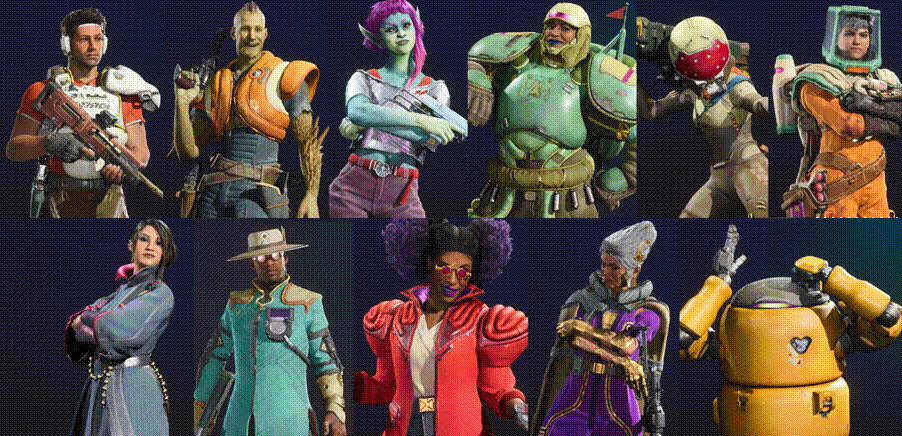
Source: https://www.patrodriguez.art/work/concord
Concord’s launch coincided with a peak in player backlash against DEI in video games. Many saw all the characters in the game as aesthetically unappealing, arguing they prioritized checkbox diversity over good design. Most pointed out examples include the characters like Daw and Emari but generally all the characters have very questionable designs. Furthermore, gamers did not like that their way of escapism was being intruded by “woke”. Regardless of whether the criticism was fair or not, this perception cemented Concord as a symbol of “woke” to a significant portion of the core gaming audience, causing it to fail to appeal to many.
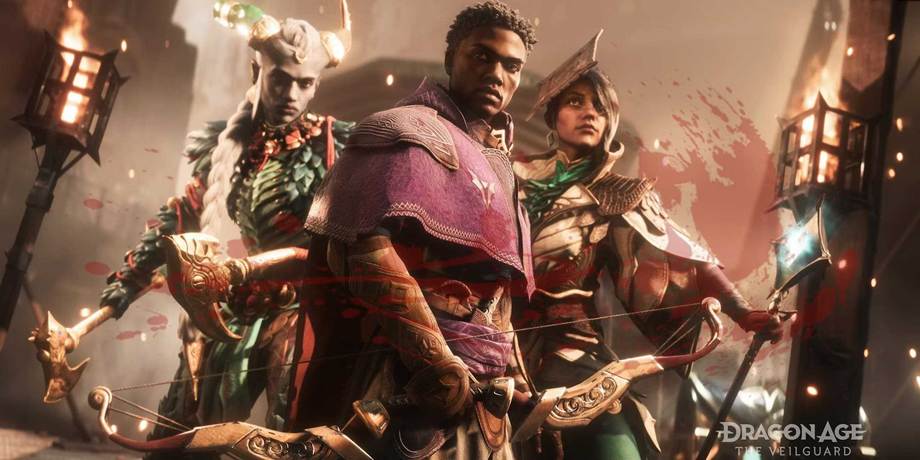
Source: https://gamerant.com/dragon-age-veilguard-woke-complaints-creator-response-tourists
This tension was exemplified by the release of the game Dragon Age: The Veilguard. The Dragon Age series is beloved by many for its complex, player-driven narratives and lovable characters. There is a lot of negativity surrounding the games “woke” political messaging but generally, it is said by reviewers the game is actually fun but agree that its “preachy political messaging” hurt its reputation a lot, and that it’s justified that the public views the game negatively. This is due to what Kain calls “that scene” where a character Isabela misgenders another and atones by doing a set of push-ups and then lectures the other characters on how to properly apologize. The term “non-binary” is also thrown around a lot, especially by the designated non-binary character in the game Taash. Despite this being a word that very few people who like the franchise had even heard of at the time, let alone in a fantasy setting divorced entirely from the real world.
Additionally, a 2025 data analysis by researcher Purovesi examined over 66,000 user reviews and found a measurable correlation where each additional DEI-related flag (such as pronoun displays or specific diversity tags) in a game’s marketing corresponded to an approximate one-point drop on a 0-10 user-score scale. This implies that regardless of a game’s quality, a growing segment of the consumer base has developed a negative association when DEI is involved in video games, viewing it as a signal of compromised creative priorities.
I think that there is technically nothing wrong with DEI in video games, as there are plenty of ways to be inclusive without shoving it into the players face. Games like overwatch do this pretty well, they have many characters in the game that would be LGBTQ such as non-binary characters like Venture and gay/lesbian characters like Tracer and Solider 76. But it is not preached to the player in a way that would come off as annoying. However, because games like Concord and Dragon Age: The Veilguard exist, it really gives people a negative impression of DEI, not to mention the claims that it can affect the story writers as they are restricted in what they can write.
If creative stagnation and DEI debates define a section of the industry’s crisis, the other would be the recent trend of aggressive monetization of games.
Source: https://medium.com/@ivan.adela/the-50-sweet-spot-how-aa-games-are-rewriting-industry-economics-0fd4717bb0af
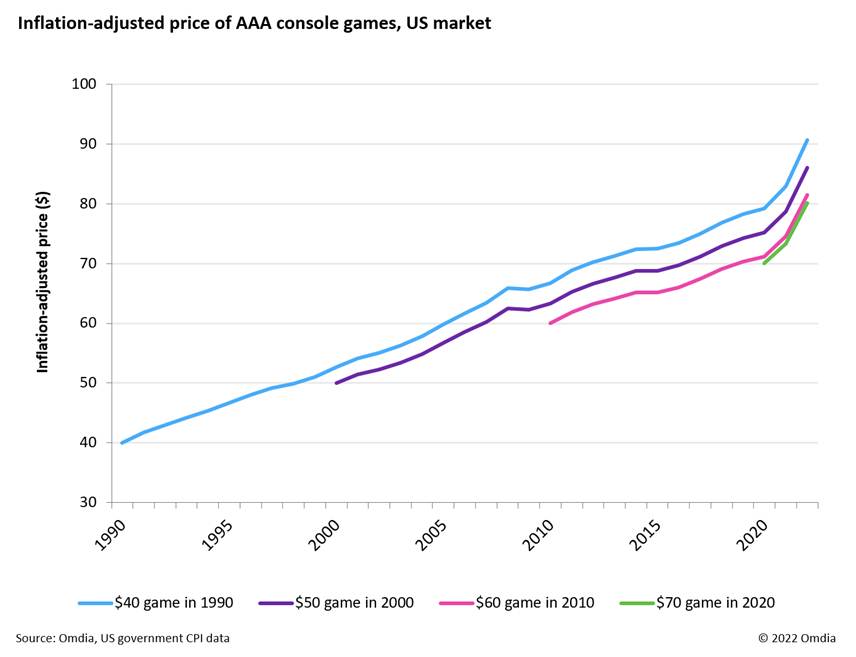
Monetization practices have become a primary source of player discontent. The steady creep of the standard game price from USD$60 to USD$70 has now been breached, on June 5th, Nintendo priced its new entry in the Mario Kart series, Mario Kart World, at USD$80, setting a new benchmark that signals a more expensive future for video games.
But that is not all, recently, the practice of taking out content to sell together with the base game as paid downloadable content (DLC) is becoming normalized, this phenomenon is commonly known as “Day one DLC”. This problem dates as far back as 2012 where games doing this would cut content and release them as paid DLC. DLC is usually made to fulfill two basic purposes: Prolong the life of a video game while earning back on the time and money spent to make it, and day one DLC does not fufill either.
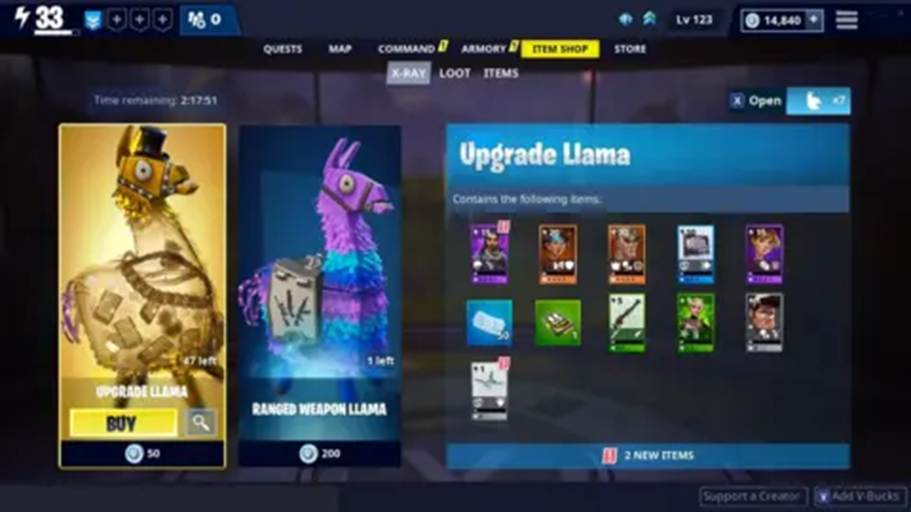
This leads to the main complaint about monetization in the gaming industry currently, microtransactions. Mostly present in free-to-play games, loot boxes and gacha, a term derived from the Japanese gachapon capsule toy machines, function as microtransactions where rather than selling a specific item directly, they utilize mechanics that are similar to gambling, to offer consumers randomized rewards where they can spend money and potentially not receive what they want.
The issue is mostly in the morality of the monetization style, as gambling disorder is a very real issue, and gacha and loot boxes contribute to that addiction, these mechanics stimulate the brain’s reward system much like drugs or alcohol can, leading to addiction. The financial success of popular mobile games like Candy Crush and free-to-play live service titles such as Fortnite and Overwatch has driven the wider video game industry, particularly companies like Activision-Blizzard, to increasingly integrate microtransactions and loot boxes into their products. These companies also collect individual player data and use it to optimize the design and delivery of in-game offers to increase the chance of players spending on it.
Source: https://www.bbc.com/news/technology-47028992
Mobile games and free-to-play PC games like Fortnite are the biggest market for these predatory practices. As compared to real gambling, loot boxes or gacha are not regulated until it is exchanged for real world payouts. So, they abuse the fact that younger people can interact with these gambling mechanics and prey on the lack of money managing skills in kids as compared to those of a grown adult. This can be evidenced in an article by Chia that revealed an 18-year-old spending over USD$20,000 of her father’s money on a gacha game.
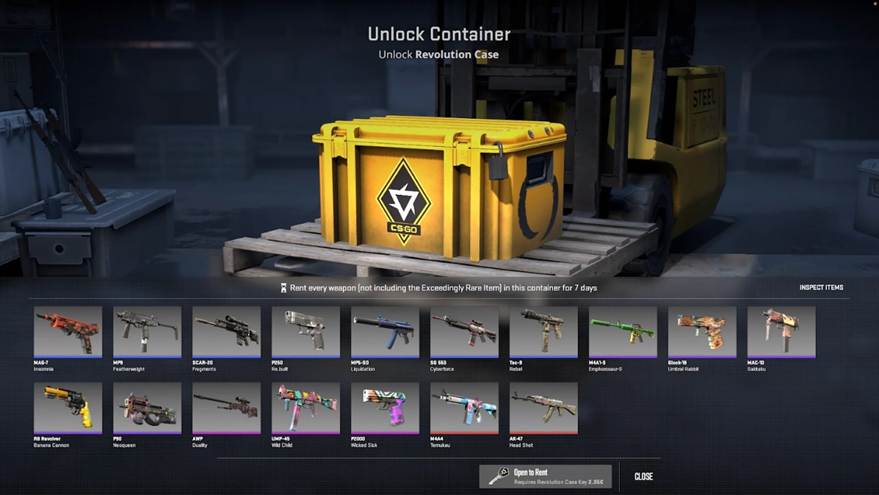
Even on PC, titles like Counter-Strike 2 have large markets for rare cosmetic skins that can be sold for thousands of dollars, making unboxing loot boxes a gamble for profit. Despite some scrutiny against these monetization models, as seen in an article by Wu that reports about US fining a company that engages in gacha monetization, the lack of a universal classification for loot boxes and gacha as gambling has continued to allow these practices to flourish in the gaming industry.
Source: https://turboboost.gg/article/how-cs2-loot-boxes-work-everything-about-cases
The immense growth of the video game industry, with an over USD$116 billion to increase the market in ten years, studios now need huge sales volumes to turn a profit, creating a “make-or-break” pressure for every major release. This leads to monetization tactics that often hurt the player’s experience.
Yet, these tactics tend to clash with how most consumers buy their games. Surveys show only 36% of players pay full price, with the majority waiting for discounts. 75% of them also believe that games are too expensive at their original price. It’s also found that it is quite common for game prices to fall sharply to USD$35-45 (30-40 €) just months after launch, proving that the initial high prices that companies usually do are often unsustainable.
Source: https://www.gamesmarket.global/indie-game-awards-2025-nominations
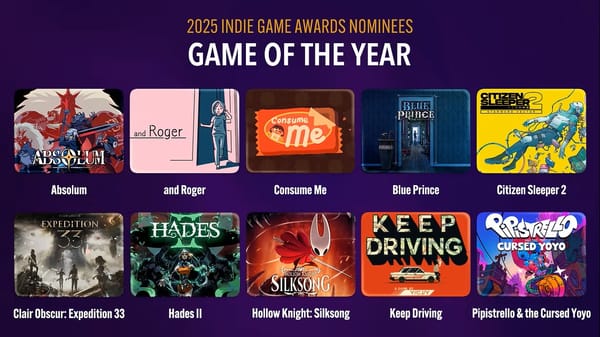
However, amidst this landscape of corporate greed and creative stagnation, the indie game has thriven. With democratized development tools, accessible game development software like Unity and Unreal Engine and game distribution sites like Steam. Indie developers have been able to create and distribute games without the need for a publisher. Disrupting traditional publishing models that were usually held by a handful of large companies.
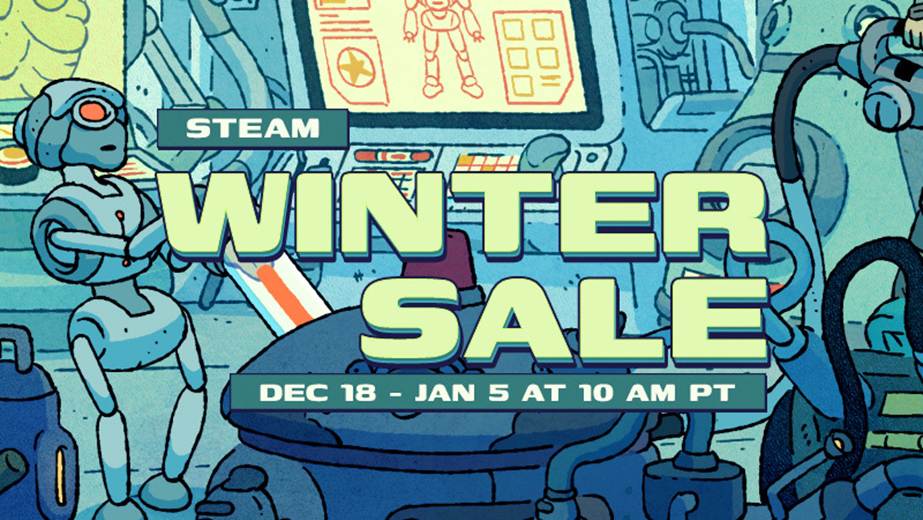
Additionally, Steam, despite holding a monopoly over the PC digital video game distribution market and Valve, the developer of Steam, has largely resisted the predatory trends seen elsewhere. Its model is straightforward and relatively developer and consumer friendly, providing immense visibility for developers and having regular discounts for consumers. This has made Steam an essential and reliable method for smaller studios to reach a global audience without much difficulty.
Overall, this has unlocked a wave of diversity and innovation for the gaming industry. Indie games, unburdened by the need to satisfy shareholder expectations for billion-dollar returns, can freely pursue passion projects and experimental mechanics and are basically free to take creative risks that AAA studios cannot afford to.
Source: https://dadwithadeck.com/2026/01/04/steam-winter-sale-2025-cosy-games-boomer-shooters-and-a-growing-backlog
Technology also serves as a great enabler for this creative resurgence. More powerful consoles like the PlayStation 5 and Xbox Series X, along with ever-advancing PC hardware, empower all kinds of game developers and studios with broader capabilities when it comes to implementation of stunning visuals as well as complex in-game logic and game design.
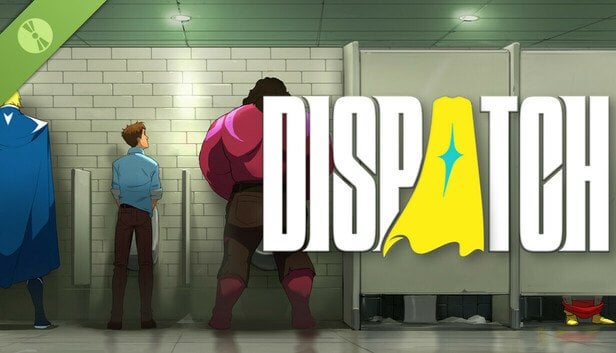
Better graphics also means more effective storytelling capabilities through video games as a medium. Video games have the potential to be more immersive for storytelling than movies, TV series and books. As there can be more active involvement in the story allowing for more flexibility in story writing for the writers. Titles like Dispatch (October 2025), a narrative-driven experience that has garnered over 92,000 positive Steam reviews, demonstrates the effectiveness of video games as a storytelling medium.
Source: https://www.reddit.com/r/TwoBestFriendsPlay/comments/1kzc717/dispatch_that_superhero_game_by_extelltale_devs
Finally, the modern content creation landscape has become an indispensable marketing channel for the game industry. Platforms like YouTube and Twitch allow developers, especially indies, to reach a wider audience. A popular streamer can help an unknown game to gain awareness, that can be more effective than any multi-million-dollar ad campaign.
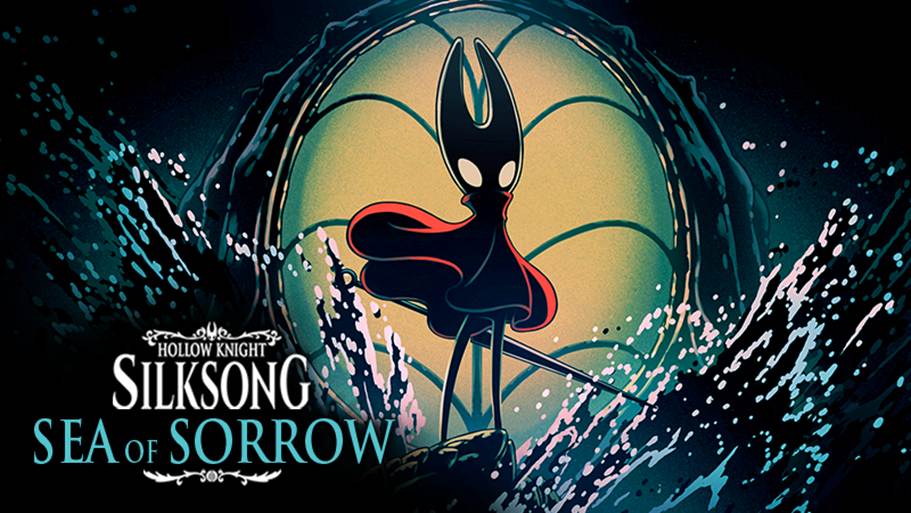
As we move into 2026, the industry presents a paradox. While there is undeniable positive momentum, with the long-awaited release of Hollow Knight: Silksong and its recent announcement of free DLC, and the success of titles like Hades 2, Clair Obscur: Expedition 33 and Arc Raiders give players genuine reason to be excited for the future of the gaming industry.
Source: https://store.steampowered.com/app/4128260/Highguard/
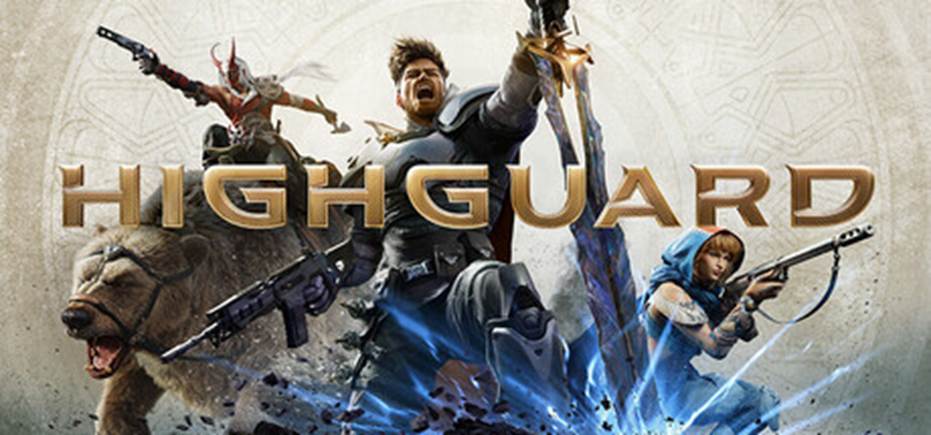
Yet, some areas remain unchanged, Highguard a new game announced at the 2025 Game Awards, that was immediately dubbed “Concord 2” by the increasingly wary gaming community, suggesting that the lessons of oversaturation are not being heeded. Predatory monetization models also show no signs of retreat as they continue to become more refined and normalized.
The industry’s upward trajectory depends on their ability to give gamers something they will like such as less aggressive monetization and more creative new ideas. So, from here on, whether the industry boots into a new golden age or the current crisis deepens is up in the air, but I am choosing to stay hopeful for a better future for the industry in 2026.
Source: https://store.steampowered.com/news/app/1030300/view/554635692378948961
 Guan QiuYu
  REN Ren
  SHI LIQI