
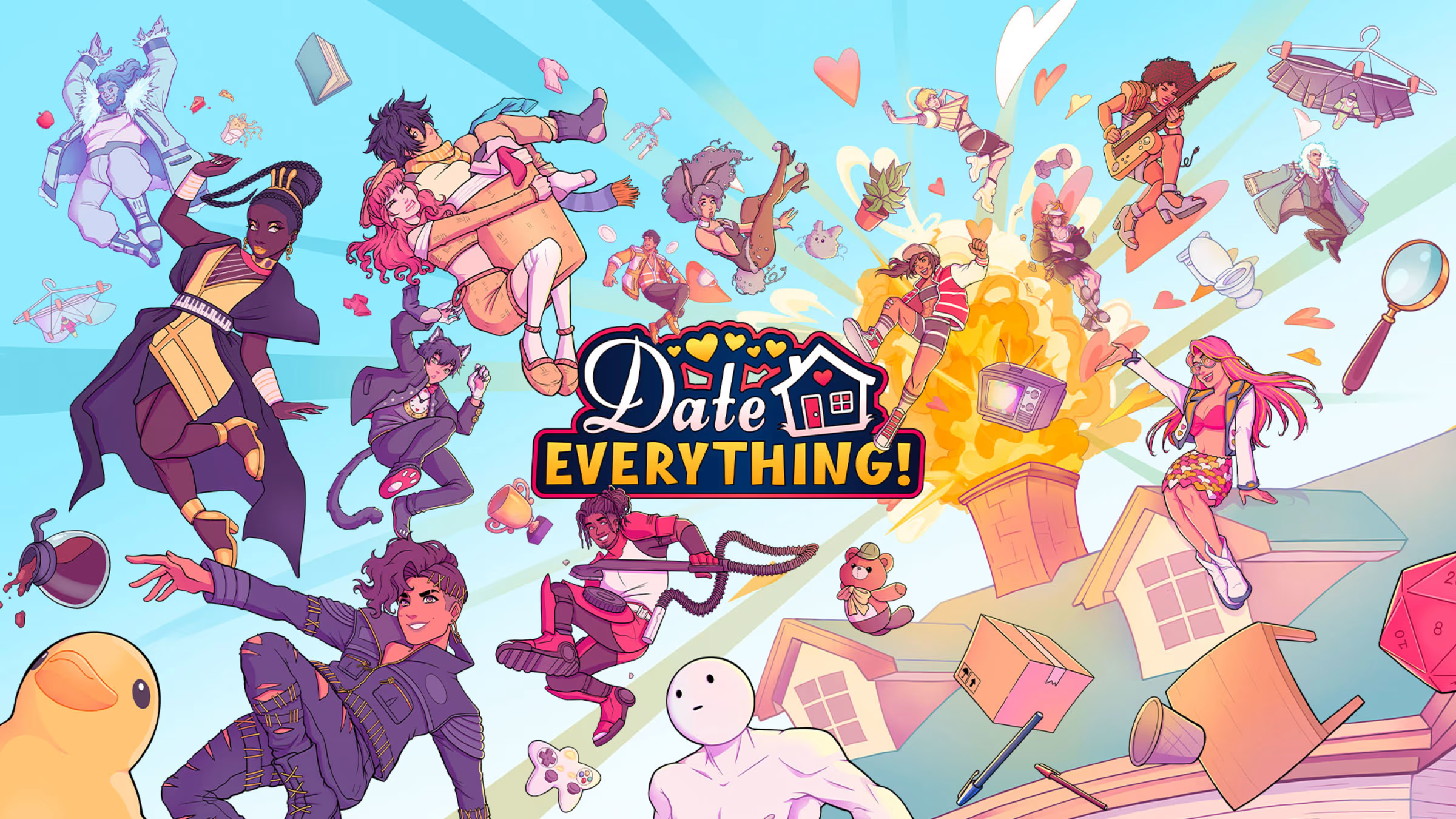
“Date Everything!” is an LGBTQ-friendly sandbox dating simulator game developed by Sassy Chap Games. Officially released on 17 June 2025, it features 100 fully voiced romantic interests. The game takes the meme, “would you still love me if I (were) a (chair)?” to the extreme, offering romance prospects from inanimate objects to abstract concepts/emotions, like a chair and the feeling of existential dread.
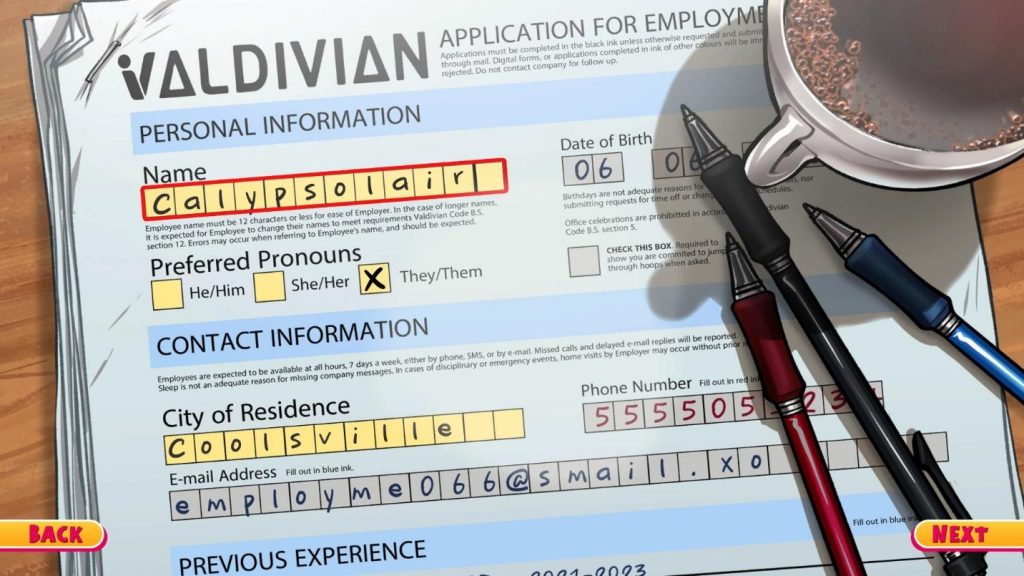
The player (you) plays as a tired office worker who suddenly gets laid off from your job, but right before you can mourn your losses, you receive a strange package that contains a special pair of glasses that allow you to bring things to life, personified.
With roughly 500 hours of experience and having played more than 25 dating simulators, both popular and niche, I’m well-versed in the game genre enough to form a substantial review. The game costs US$29.99, a little pricier than the average at around U$12-$20.
Date Everything! is a delightfully unique and quirky game that subverts the expectations associated with the dating simulator genre, making it enjoyable for newcomers and veterans of the genre with its story setting/character cast, features, and writing.
Firstly, Date Everything! is enjoyably different from typical dating simulators, with the obvious fact that potential love interests are non-human. The game makes it painfully evident during the game that you’re not dating humans through their distinct appearances, personalities, and habits befitting their respective, design-inspired real-life objects.
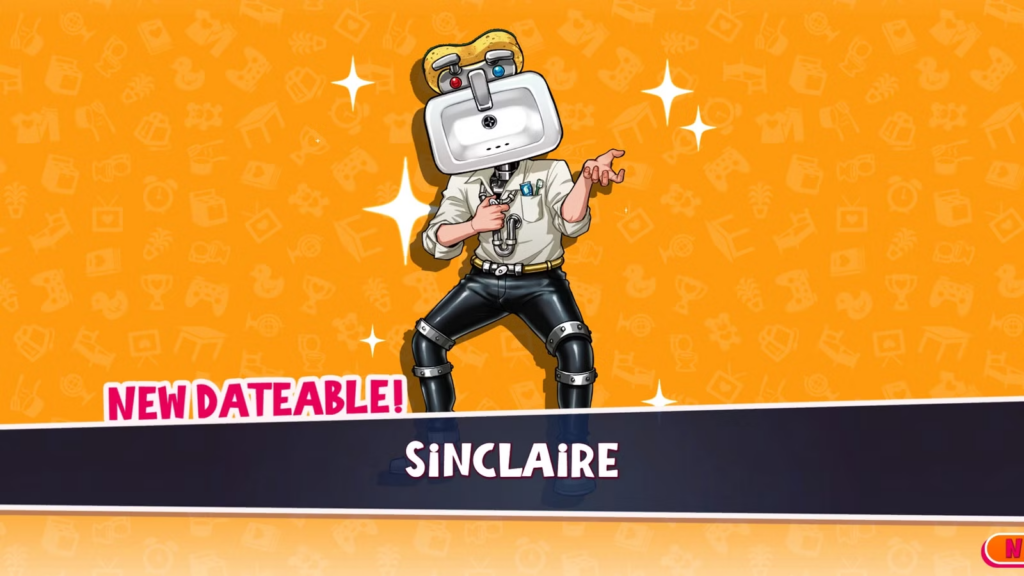
At first, I was thrown off by some of the characters, like Sinclaire, whose face is a literal sink, making me contemplate the purpose of his existence because I could not fathom others or myself willingly romancing him, given his face. In the end, however, I learned to appreciate the distinctness of each character, regardless of absurdity, as it creates an assorted range of individuals to meet, with representations of many cultures from around the world, LGBTQ+ identities, and various lifestyles/circumstances.
For example, Jean-Loo Pissor is obviously French with his heavy French accent, and Eddison Watts and Volt are polyamorous, as you can only achieve a romantic relationship by pursuing both at the same time; you cannot date one without having to romance the other.
Date Everything! brings together a refreshing cast of characters with varying levels of attractiveness, representations, and personality types, which I found thrilling because there are so many options to choose from. The only complaint I have is that, since I’m personally aiming to romance characters, especially given the game’s genre, unappealing or downright irritating characters feel like a waste of time to even interact with.

Secondly, Date Everything gives the player the autonomy to pursue 3 types of relationship statuses with characters: “Hate”, “Friends”, and “Love”. Normal dating simulators only have one objective: pick a target and try to successfully date them. If the attempt fails, by choosing the incorrect options in progressing their bond with their target, it is considered game over.
However, depending on choices, players may be unintentionally loved, friend-zoned/become friends, or hated by characters with the 3 relationship statuses.
These 3 relationship statuses made my gaming experience more engaging since I could explore the different relationship dynamics between love, hate, and friendship from a single character. For example, I had 3 separate playthroughs with Daisuke to explore what it feels like to be loved, friends, and finally despised by him.
The game had me invested in interacting with any character with the curiosity to explore these 3 relationship statuses. However, this feature’s downside is how easily it is to continuously obtain an unwanted relationship status unknowingly through choices, which creates strict and frustrating requirements for me to date certain characters. This significantly slowed my progress towards a relationship with Daisuke in my first playthrough goal.

Thirdly, Date Everything contains realistic themes in its character/story writing, rather than the usual, idealised characters with perfect backgrounds. For example, upon introduction, Dirk Deveraux and Harper are in a toxic relationship, found mostly in a shouting match. Harper behaves in a controlling and emotionally abusive manner before the player intervenes in their relationship. In a normal dating simulator, love interests have minimal emotional baggage and past struggles, whilst Date Everything intentionally focuses on characters shaped by these struggles, making interactions meaningful through creating complex, realistic relationships that require genuine understanding.
I believe this character writing makes the game more immersive and addictive, as it feels like I’m conversing with people with genuine stories, motivations, and beliefs. It reflects real experiences that people face, thus educating and giving insights into diverse perspectives, relationships, and struggles. It encourages players to practice empathy and understanding with those who have these lived experiences and struggles, while allowing others to feel seen and validated through characters with shared circumstances.
The only flaw in this remarkable writing is its handling of these sensitive themes, which may trigger some players. Playing the game would remind them of the same uncomfortable experiences these people have or are currently going through. While the game offers a Content Aware feature, its use may minimise the full gameplay experience as the feature may prevent exposure to essential plot narrative and character depth. This makes a difficult compromise between emotional safety and narrative immersion.

Overall, despite its shortcomings, Date Everything! is a high-quality, genre-defying dating simulator that creates a bizarre yet pleasant gaming experience with its uniquely quirky premise.
 He lian
  VickyWu
  REN Ren