
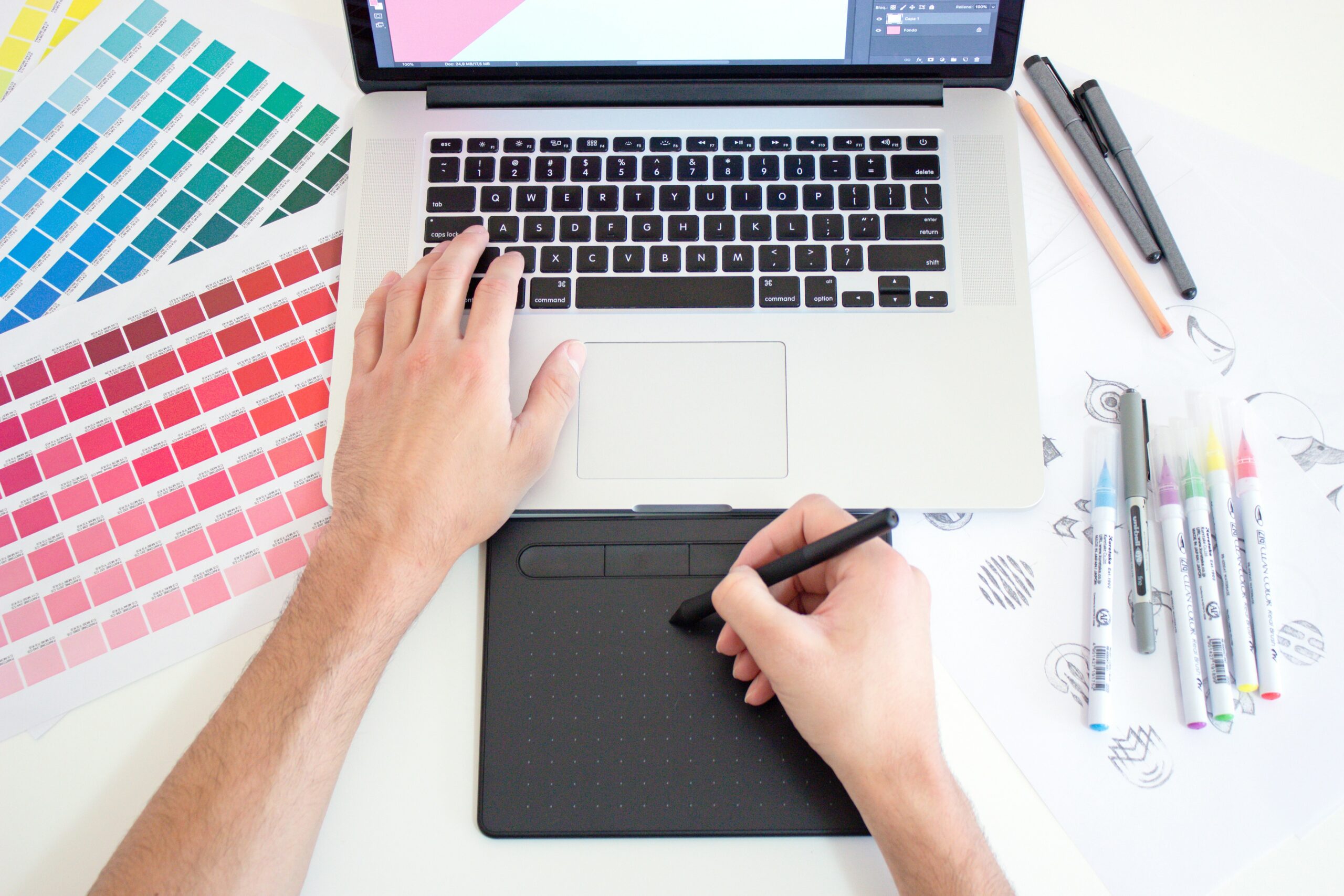
Graphic design has always been about human vision, creativity and originality. However, the rapid development of Artificial Intelligence (AI) is significantly impacting many creative industries including music, writing, visual arts, photography and graphic design. Since the public release of generative AI models such as Stable Diffusion, Dall-E, Midjourney, Leonardo AI and Adobe Firefly, graphic designers are being warned that “AI is taking over your job”, and that they should fear it. This is because AI tools and websites allow people to produce logos, illustrations and layouts for their designs. It encourages mass content production, changing industry expectations and low costs for clients. According to the latest Future of Jobs Report from the World Economic Forum (WEF), graphic design is the 11th fastest-declining industry over the next five years. Although the graphic design industry is at risk, this does not mean that creativity is disappearing, as this can be a chance for individuals to embrace the change whilst creating human-centred designs that AI cannot fully replicate.
The future of graphic design is under threat from AI; students represent the human future of the industry. Below, the role of graphic design and the impact of AI in other creative industries are being discussed. Additionally, students from North Metropolitan TAFE will express their thoughts on whether AI in graphic design should be feared or not.
The role of AI in graphic design
So, what exactly do graphic designers do? Well, Graphic designers are in charge of creating visual content to communicate information, ideas and messages to a specific audience. It often involves elements such as text, images, line, shape and typography. Design principles such as unity, rhythm, balance, hierarchy and contrast are applied to produce functional compositions and harmonious layouts.
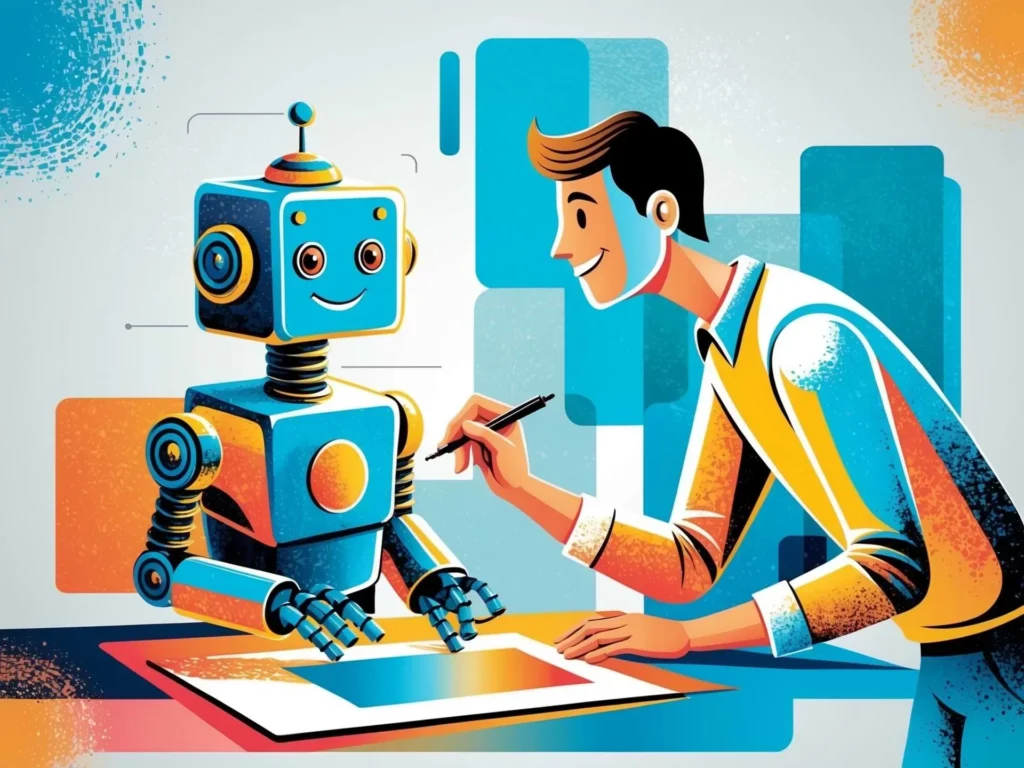
AI is viewed as an “easy way” to complete a design task. According to the Adobe website, AI assists in automating repetitive tasks such as resizing images, applying consistent styles and separating subjects from backgrounds. This helps designers improve their workflow by reducing the time they put into manual editing. Designers can experiment with AI tools to test out different styles, generate ideas and spark their creativity.
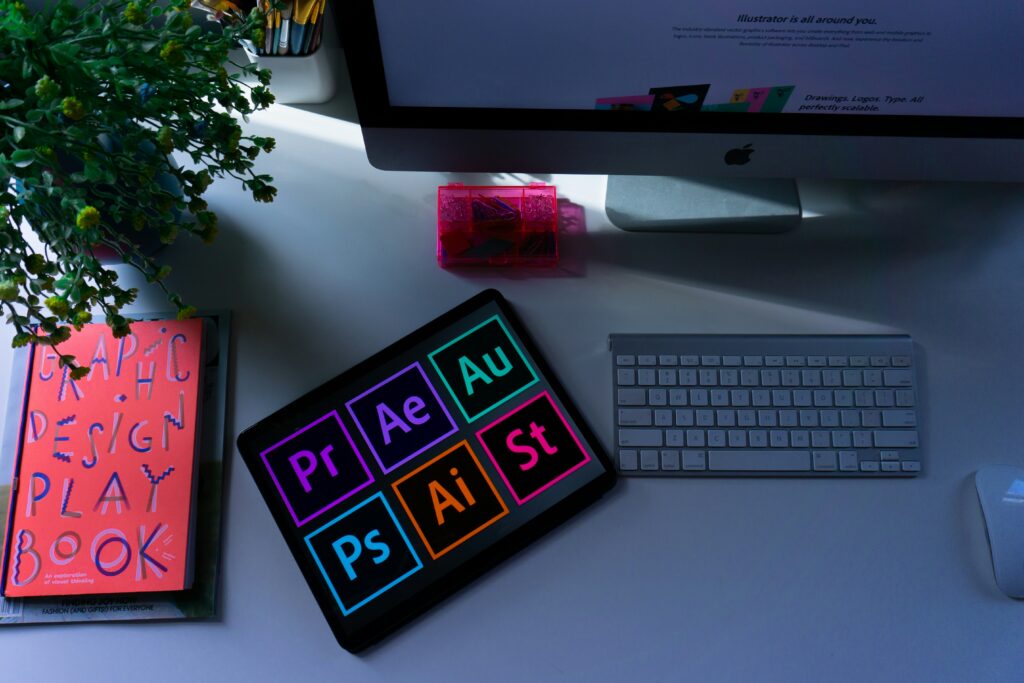
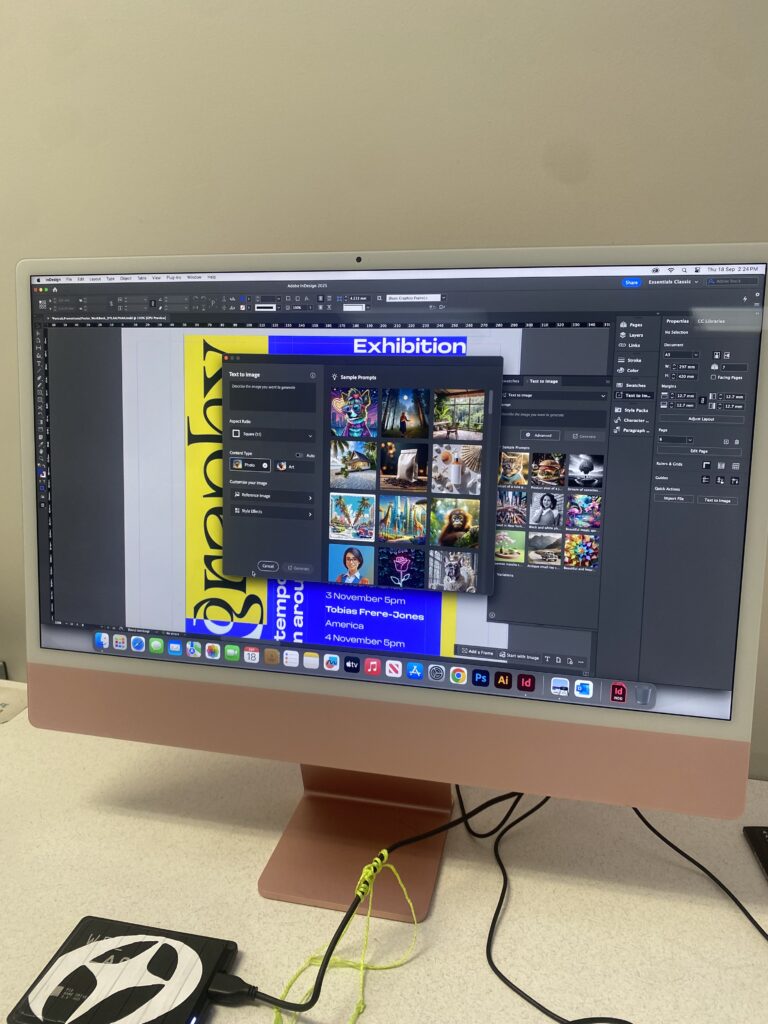
The most common AI tools in graphic design are text-to-image generation, AI assistants and AI image editing tools. Midjourney and Leonardo AI are the most commonly used text-to-image generation tools, as these two websites produce a variety of visual assets from text prompts such as illustrations, animations, patterns and graphics, which may be useful for a design project. The Adobe Suite has also incorporated AI into their softwares to help designers improve their workflow. Photoshop has AI features such as generative expand and generative fill, assisting designers in saving time on making tedious edits and focus on creating their designs.
AI in other creative industries
Other creative industries such as music, writing, UX/UI (user experience/user interface), video game/animation, marketing and advertising are at risk of AI transforming the industry. In the music industry, musical artists have the ability to create music by using AI-generated software such as AIVA, Amper music and Soundraw. AI can produce instrument sounds and simulate voices, which can help music producers compose tracks. Additionally, AI can help musicians to experiment with genres and brainstorm ideas.
Furthermore, the writing and publishing industry are also fearful of AI taking over their jobs. Artificial Intelligence is the fastest and the easiest way to create stories and other forms of written pieces. ChatGPT is the main software writers use, as users have the ability to train AI to write them a poem, an essay or even a story. Although, some authors have actually come under scrutiny for using AI to write their stories after readers picked up on editing errors and robotic-like language. This contributes to worsening perspectives of the use of AI in creative industries.
The UX/UI industry is one of the many creative industries that positively benefit from AI because it assists in personalising experiences for users, as well as making website designs more accessible. Many companies invest in AI to help drive traffic to their website, resulting in developing engagement, retention and sales. This huge shift of technology allows many UX/UI designers to embrace AI, as it has the ability to analyse engagement patterns, feedback data and user behaviour to improve the website’s design.
Ultimately, the main concern with individuals who work in creative industries are privacy and data. Many creatives are unaware of how AI handles their personal information; thus, worrying about potential personal data leaks. Moreover, creative individuals fear that people are training AI to take ownership of their work without their permission, which contributes to the loss of trust and growing concerns about being replaced by artificial intelligence.
The pros of AI in graphic design
As AI becomes more widespread, designers are beginning to accept these technological changes and are learning to embrace it. AI can be beneficial as it allows designers to work on their projects more efficiently. Although it cannot replicate the creativity and originality of a human designer, it can be used as a copilot to help people become better designers. Additionally, AI-related job opportunities in graphic design may open up, which can increase the employment rates in the industry. These jobs are great for those who are creative but also want to work in the technical side.
Graphic design companies such as Adobe and Canva, markets AI as a useful tool for graphic designers and creatives alike. They encourage designers to use AI software such as Midjourney, ChatGPT and Adobe Firefly to help reduce the time being spent on tasks that require more work. They also aim to help designers make smarter and informed decisions in their work, as Adobe, Canva and other graphic design related companies believe that AI has the ability to generate ideas and concepts faster.
However, not a lot of students had a fully positive outlook on AI in the graphic design industry; therefore, they are not convinced that these claims by Adobe and Canva are true. Speaking to students from North Metropolitan TAFE in Western Australia revealed that many graphic design students have a neutral standpoint on AI.
Cert IV student Kelvin Phan says “Before starting this graphic design course, I had a negative view of AI being used in graphic design, but now I have a neutral viewpoint of this topic.
“People tend to misuse AI by ignoring copyright laws and relying on it too much.” He adds.
The good news is that because the usage of AI is quite new AI tools do not have a legal status and cannot own copyright; therefore, only human creators are recognised under the copyright law.
Fellow student, Dylan Phan, is fearful of AI surpassing human intelligence and developing over time, he is quite optimistic about the future of AI in the industry.
He says, “I’ve always been passionate about graphic design ever since I was young. I will never stop chasing my dreams just because I’m scared of AI taking over my job.
“AI can be used for good, and if we can’t beat the rapid development of AI, then we have to learn how to adapt to it.”
Dylan adds that “it is worth experimenting with both AI and an individual’s human voice in designs because you can discover new styles, strategies and workflows that you or other people haven’t thought of before.”
AI is a great tool to help spark creativity and help generate ideas but should not be heavily used in a project. Additionally, by mixing AI and human creativity, designers can find ways to build a connection with their target audiences through their work.
“AI isn’t killing design, it’s saving it” – Bring Your Own Laptop on Youtube
The cons of AI in graphic design
The negative aspects of AI in Graphic Design outweigh the positives, with the majority of students worrying about AI stealing their jobs in the future. Beatriz Cunha is one of the many graphic design students at North Metropolitan TAFE who are against the usage of AI in the graphic design industry, especially when it comes to clients making a decision.
She says “AI is evolving so fast, I’m afraid that clients will choose AI instead of a well-trained graphic designer. I think we will still have jobs in the future, but it will be quite difficult because we would have to learn a larger set of skills in order to thrive in the market”.
Although there are many concerns being raised about AI taking over traditional graphic design jobs, there’s a good chance that AI will help improve the workflow and not replace human designers. Additionally, some designers may want to choose a career path that’s relevant to AI, especially in UX and UI, as these two industries continue to grow significantly.
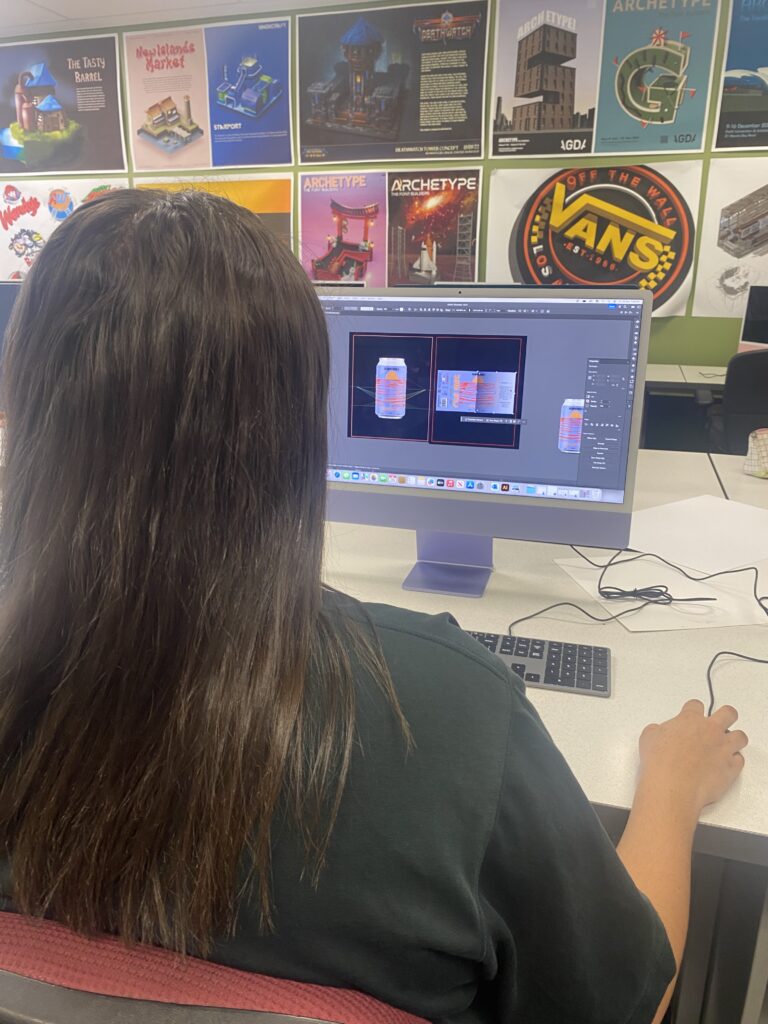
Another graphic design student, Kayla Thomas, expresses her frustration and concern with people devaluing designs made by humans due to its convenience. Additionally, she also talks about how obvious it is that a design is done by AI and not by a human.
“AI can’t generate what humans can. Because of how easy it is to generate a design using AI, people have become more reliant on it; therefore, it causes people to devalue designs that are created by a human.”
She adds, “I find it scary at how people cannot tell the difference between a human-made design and an AI-made design. Because of AI technology growing quickly, AI images are starting to look eerily realistic”.
Kayla also mentions that it is quite common with older people tend to fall victim to AI images, as they are out of touch with technology – but the younger generation are falling for them too.
According to ANU, AI faces are almost impossible to tell apart from human faces – but this doesn’t only apply to faces, but to any photo that a design may use. This is because human brains are not wired to recognise every detail of the face; therefore, they often think of an AI image as a real image. To add on, as AI continues to grow, so does its abilities to create hyperrealistic images. This makes it even more difficult to tell apart an AI image from a human-made image.
However, there are some graphic design students who are neutral towards this topic but lean more onto the negative side. Luke Baker is one of them, as he believes that AI is holding the industry back.
He says “I’m a little bit worried at how fast AI is growing, but I feel like everything should be fine until they bring out something insane.
“Fearing and rejecting AI won’t help at all because it holds back people’s knowledge on the industry a bit.”
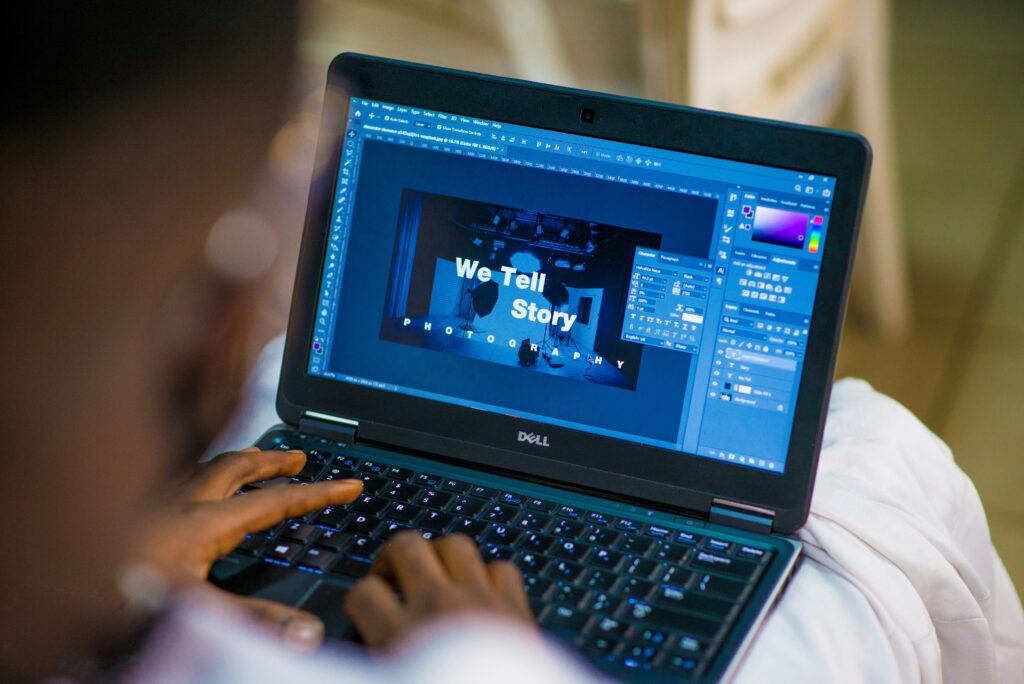
In conclusion, despite the fact that AI is creating a significant impact in the graphic design industry, it does not replace designers – it redefines the definition of creativity. Even though AI is capable of automating several aspects of design, it cannot replicate human vision and creativity. The majority of graphic design students have a negative outlook on AI in the industry with many fearing that it will take over traditional designer jobs. Some have also expressed their concern in clients depreciating a human designer’s work, as they are becoming more reliant on AI due to its low cost and speedy process.
Although many fear AI, it cannot be ignored, which is why embracing the change can benefit many designers.
Dylan says “Us graphic designers need to learn to work with AI, because I don’t think it’s going to disappear anytime soon. Because fear is holding us back from embracing AI’s potential in helping us enhance our skills and abilities that could open more opportunities in the industry”.
Many design students fear and dislike the idea of AI in graphic design, especially because it’s increasingly taking over technological advancements at a rapid rate. However, the key to thriving in the future of design is to adapt to the changes and be open minded.
 Guan QiuYu
  REN Ren
  Tan Kane