
If you look around a café on any morning, you’ll see faces lit up by screens, whether they are studying, working, or messaging; it is a scene that demonstrates just how entangled digital devices have become in everyday lives. At present, youth and young adults are immersed in a society where constant digital connectivity1 through the form of devices, remote work, social media and other online platforms nurtures a culture of perpetual connectivity. For many, this is simply how life is lived, but the mental and social consequences are only just beginning to be understood. Periods of disconnection have become increasingly limited, as digital technologies continue to extend into both social and professional life. The separation between study, work, and leisure has become blurred, yielding new psychological and social conditions.

Before widespread connectivity, youth and young adults experienced periods of disconnection, facilitated by natural limits in their physical and social environments. Recent studies3 show that children in Australia spend at least 3 hours a day on their phones, without any breaks. This constant engagement has led to the emergence of “always-on” habits, where a single “ping” can pull the mind away from work, meals, and homework, almost like an invisible leash. Even features such as Snapchat Plus4 can reinforce this, providing users with extra ways to track friends and stay notified, pulling attention in every direction. It reveals the normalisation of digital dependence and the expectation of constant access. This rate has increased following COVID-195. This degree of engagement has produced new patterns of living that are dramatically different to former generations. The expansion of digital infrastructures has reformed how individuals manage attention, communication, and time, creating both opportunities for social inclusion and new forms of pressure.
While increased connectivity has evidently provided some benefits through the provision of readily available information, social support and online communities, there are also negatives. Research has shown that constant connectivity and the inability to disconnect can have negative psychological impacts and socio-cultural implications by diminishing face-to-face interactions.6 These impacts have been exacerbated by the introduction of remote work7 following the onset of COVID-19, which has seen increased struggles in maintaining a work-life balance. For young people, this raises questions about focus, identity, and how to stay present in a world that never truly unplugs. However, by maintaining a balance through the implementation of various tools, research has ultimately shown that the negative impacts of constant connectivity can be mitigated. This article argues that while digital technologies have enhanced accessibility and connection, they also challenge the ability of youth and young adults to disconnect, with broader implications for identity, well-being, and social interaction on.

In juxtaposition to today’s society, which is marked by constant digital connectivity, disconnection formed a natural part of daily life for youth and young adults. Prior to technological advancements, limitations to technology meant that the spread of information and the ability to communicate were slower. Further, the limits of technology ensured that the line between public and private life was easier to uphold and maintain. Access to information was also reliant on physical books and libraries9, which created a more deliberate relationship with knowledge. The act of seeking information from libraries and books required physical time, presence, and effort, strengthening patience and focus rather than instant accessibility. These social and structural boundaries meant that disconnection was inevitable. For youth, this often translated into opportunities for reflection and rest.
In a review of the book, Bowling Alone,10 by Robert Putman (2000), the author highlights how previous generations placed a greater emphasis on community and civic engagement, which primarily took place through face-to-face interactions. These forms of engagement cultivated a profounder sense of accountability and belonging within communities, which has gradually weakened as social interaction began to move online. However, the rise of digital media has progressively eroded these “natural pauses” within people’s social lives. This has produced new forms of interaction that are constant and oftentimes are not meaningful or personal. Sherry Turkle11 (2015) argues that the decline in face-to-face interaction is one of the most significant losses caused by the digital age. Historically, conversations required undivided attention. However, in this age, conversations are now fragmented by multitasking, notifications and distractions.
This shift has normalised partial presence, where you may be sitting with a friend or family member, nodding to what they are saying, but half of your presence is immersed in the memes you see on your phone. This has altered how youth and young adults socially interact. This historical context underlines how disconnection was once built into social and technological life. Understanding earlier patterns is crucial, as it provides a reference against which the impacts of today’s continuous connectivity can be measured.
Despite concerns, digital connectivity has also produced important opportunities for youth and young adults through social media platforms, which allow individuals to uphold connections across distances. These opportunities have reinforced transnational family ties and friendships12 in cases where this may not have previously been possible. For young people, platforms such as TikTok, Instagram, and Discord have become essential social places, where creativity, identity and community intertwine in ways that were never possible before. These platforms are not only used socially but also professionally, offering young adults the opportunity to collaborate in workplaces remotely. In doing so, they have reshaped the ideology of what makes a “workplace”, enabling flexibility and redefining how social connection and productivity overlap in digital environments.
Digital media also offers youth and young adults a place of expression. Teenagers have utilised platforms such as Instagram, TikTok and Facebook as creative spaces13 and places of social belonging, where identity and self-expression are shared freely. This form of online self-presentation has become a fundamental part of how young people build and communicate identity, often reflecting the broader cultural shifts toward authenticity and visibility.
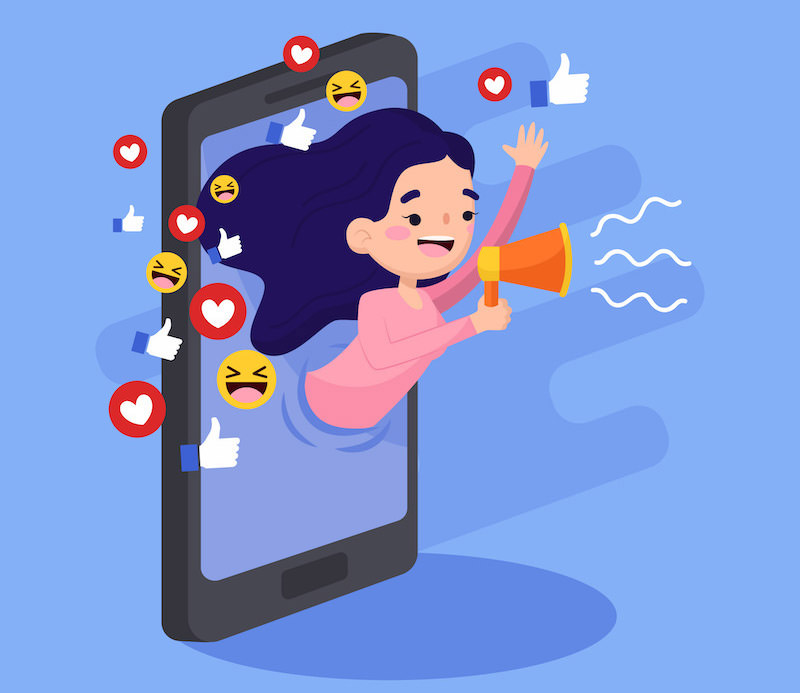
Educational opportunities have also increased due to technological advancements. With the rise of new digital tools, youth can readily access research materials, online courses and collaborative learning platforms. Selwyn 15(2022) highlights that digital environments have broadened involvement in education. This has enabled students to develop new skills and pursue knowledge outside institutions. Such accessibility has begun to contest traditional hierarchies of education, decentralising learning and promoting more self-directed, participatory manners of engagement. The benefits of this are particularly evident in youth and young adults residing in remote locations. The ability to connect remotely can support participation, despite geographical location.
Furthermore, cultural production is another benefit of this age of constant connectivity. Platforms such as Instagram, TikTok, and YouTube have empowered young creators to share art, music, content and commentary with global audiences. This “participatory culture” blurs the line between producers and consumers and gives youth and young adults a more active role in influencing the cultural landscapes they are surrounded by. In many cases, digital spaces have become platforms of cultural opposition and innovation, intensifying diverse voices that may otherwise remain marginalised. These opportunities for creativity and visibility offer empowerment, particularly for those who are underrepresented in mainstream media. In this manner, constant connectivity cannot be dismissed simply as an issue. As discussed, constant connectivity driven by technological advancement has provided opportunities and has endorsed a sense of belonging, learning and creativity.
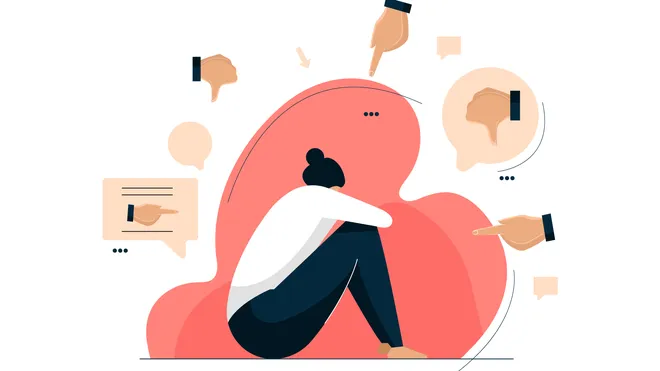
Although the benefits of digital platforms are considerable, they also present risks for youth and young adults. One of the most widely documented concerns is the digital media’s impact on mental health. Recent research16 has linked high levels of social media use with depression, anxiety and a sense of social isolation. For many youth and young adults, the pressure to present a perfect online identity has led to a society where comparison and insecurities have become normal.
A further risk associated with constant connectivity is the erosion of privacy. Youth and young adults often share personal information on platforms without understanding how their data is connected, stored and used. Zuboff’s 18(2019) notion of “surveillance capitalism” explains how corporations benefit and profit from the behavioural data of users, exploiting everyday interactions of online users into commodities. This alters the content they see and encounter, placing young people at risk. Addiction is also a rising concern. Platforms are intentionally designed 19to be persuasive and encourage prolonged engagement through notifications, scrolling and algorithmic feeds. This makes disconnecting difficult, leaving many youths feeling compelled to stay online, which can detrimentally affect their sleep, focus, and mental well-being. Turkle20 (2011) proposes that this persistent digital presence has moulded expectations of availability and attention, leaving youth and young adults struggling to balance online and offline life.
Taken together, these risks suggest that although constant connectivity offers countless opportunities, it also creates vulnerabilities, shaping the emotional, mental and social landscapes of youth and young adults.
Given these opportunities and risks, the challenge for youth and young adults rests in finding a balance. Since the onset of COVID-19, finding and maintaining this balance has become increasingly difficult due to the ability to work remotely. However, Boyd21 (2014) argues that youth are not simply passive victims of technology but are also active negotiators of digital life. Many have established strategies in order to control their connectivity, including techniques such as leaving their phones in another room for some time, just to remember what uninterrupted time feels like, and some use “digital detoxes”, limiting screen time, and creating different accounts that serve different purposes. These self-regulation strategies 22demonstrate a growing awareness of the need to protect mental well-being whilst also engaging on digital networks.
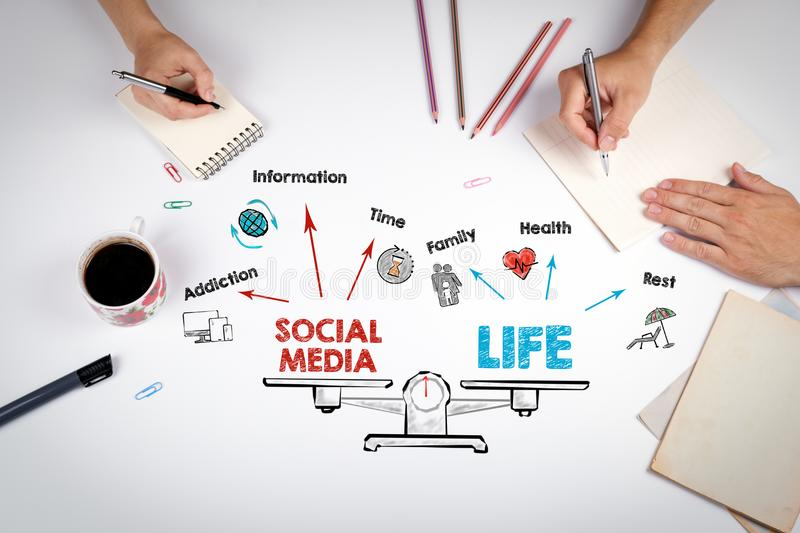
Education and policy also play significant roles. Initiatives24 that promote digital literacy allow youth to have a better understanding of the issues of identity, privacy, and online safety. Educators and parents can support youth by guiding healthy screen habits, promoting offline activities, and having open conversations about digital pressures that youth and young adults face. At the same time, the rise of “slow technology” movements reflects a deeper cultural shift towards valuing disconnection. Campaigns encouraging offline weekends, device-free dinners, and mindfulness apps highlight the growing recognition that constant connectivity is not healthy. These practices have revealed a cultural discussion 25over what it means to live fully in a digital world.
The key, then, is rather than rejecting connectivity altogether, society must learn how to integrate it into their lives sustainably. For youth, learning to integrate online life sustainably is an ongoing process shaped by personal choices and social expectations.
The interplay between opportunity and risk highlights the complexity of constant connection in the digital age. While research shows that there are positive impacts associated with increased connectivity through digital devices, social media, and remote work, it is also evident that the negative impacts have higher consequences. Research has demonstrated that constant connectivity, alongside the difficulty of disconnecting, can affect psychological well-being and social dynamics. These effects have been intensified by the rise of remote work, which has made maintaining a healthy work-life balance increasingly challenging.
As this article has demonstrated, youth and young adults are not passive in this landscape. They actively negotiate their digital environments, discovering ways to balance the benefits of constant connection with the need for disconnection. Moving forward, both individual strategies and broader societal interventions are necessary to ensure that digital connectivity supports, rather than undermines, well-being. Ultimately, the story of youth and young adults in the era of constant connectivity is one adaptation. Through navigating the opportunities and pressures of the digital world, youth and young adults are constantly reshaping what it means to learn, live and connect in a world that never truly turns off.
References
- Clark, C. A., & Harris, K. M. (2021). Smartphone connectivity stress across generations: Validation of a brief scale for adolescents and adults. Computers in Human Behavior Reports, 3, 100095. https://doi.org/10.1016/j.chbr.2021.100095 ↩︎
- Google Images. (2025b). Brisbane Airport Domestic and International terminals retail services consultancy. Google.com. https://www.google.com/url?sa=i&url=https%3A%2F%2Fwww.studiospillane.com.au%2Fbrisbane-airport-domestic-and-international-terminals-retail-services-consultancy&psig=AOvVaw0gR74kH5jZzQimOeu26xpK&ust=1760787963363000&source=images&cd=vfe&opi=89978449&ved=0CBYQjRxqFwoTCJCoqb-Uq5ADFQAAAAAdAAAAABAj ↩︎
- Jasper, C. (2016). Aussie kids increasingly glued to screens, study finds. ABC News. https://www.abc.net.au/news/2016-09-20/kids-are-spending-too-much-time-glued-to-the-screen:-study/7859264 ↩︎
- digginspaige. (2025). Snapchat Plus: A Red Flag in Disguise – NETS2001 Writing on the Web. Netstudies.org. https://wotw.netstudies.org/2025/08/18/snapchat-plus-a-red-flag-in-disguise/ ↩︎
- Joshi, A., & Hinkley, T. (2021). Too much time on screens? Screen time effects and guidelines for children and young people. Australian Institute of Family Studies. https://aifs.gov.au/resources/short-articles/too-much-time-screens ↩︎
- Marlowe, J. M., Bartley, A., & Collins, F. (2017). The intersections of social cohesion, connectivity and digital media. Ethnicities, 17(1), 85–102. JSTOR. https://doi.org/10.2307/26413936 ↩︎
- Carraro Elisabetta, Paola, R., Maran, D. A., Filippetti, S., Marco, P., Pellegrino, E., Ferrante, M., La Torre Giuseppe, & Fiore, M. (2024). Remote workers’ life quality and stress during COVID-19: a systematic review. European Journal of Public Health, 35(1). https://doi.org/10.1093/eurpub/ckae167 ↩︎
- Google Images. (2025c). Remote Work is Here to Stay, And Employers Aren’t Happy About It. Google.com. https://www.google.com/url?sa=i&url=https%3A%2F%2Fwww.investopedia.com%2Fremote-work-is-here-to-stay-and-employers-arent-happy-about-it-7814388&psig=AOvVaw28oamvEI2NhX5FaqD-IzGJ&ust=1760788118006000&source=images&cd=vfe&opi=89978449&ved=0CBYQjRxqFwoTCLCAwoSVq5ADFQAAAAAdAAAAABAL ↩︎
- PressReader. (2021). The evolution of libraries to the 21st century (Infographic). Blog.pressreader.com. https://blog.pressreader.com/libraries-institutions/21st-century-library-evolution-timeline ↩︎
- Durlauf, S. N. (2002). Bowling Alone: a review essay. Journal of Economic Behavior & Organization, 47(3), 259–273. https://doi.org/10.1016/s0167-2681(01)00210-4 ↩︎
- Turkle, S. (2020, December 7). Reclaiming Conversation: The Power of Talk in a Digital Age. ResearchGate; University of Minnesota. https://www.researchgate.net/publication/350521529_Reclaiming_Conversation_The_Power_of_Talk_in_a_Digital_Age ↩︎
- Baym, N. (2011). (PDF) Personal Connections in the Digital Age, by Baym, N. K. ResearchGate. https://www.researchgate.net/publication/239787960_Personal_Connections_in_the_Digital_Age_by_Baym_N_K ↩︎
- Anderson, M., Vogels, E. A., Perrin, A., & Rainie, L. (2022, November 16). Connection, Creativity and Drama: Teen Life on Social Media in 2022. Pew Research Center. https://www.pewresearch.org/internet/2022/11/16/connection-creativity-and-drama-teen-life-on-social-media-in-2022/ ↩︎
- Google Images. (2025a). 10 Tips to Optimize Your Online Presence. Google.com. https://www.google.com/url?sa=i&url=https%3A%2F%2Fwww.hongkiat.com%2Fblog%2Foptimizing-online-presence-for-jobs%2F&psig=AOvVaw3zjzBykeioIwaPPJIV0sbC&ust=1760788348042000&source=images&cd=vfe&opi=89978449&ved=0CBYQjRxqFwoTCJChsPKVq5ADFQAAAAAdAAAAABAE ↩︎
- Selwyn, N. (2022). Education and technology: Key Issues and Debates. ResearchGate. https://doi.org/10.1007//s11159-022-09971-9 ↩︎
- Twenge, J. M., & Campbell, W. K. (2018). Associations between Screen Time and Lower Psychological well-being among Children and adolescents: Evidence from a population-based Study. Preventive Medicine Reports, 12(12), 271–283. https://doi.org/10.1016/j.pmedr.2018.10.003 ↩︎
- Google Images. (2023). How does social media affect mental health? Pros and cons explained. Usatoday.com. https://www.usatoday.com/gcdn/presto/2023/02/14/USAT/05a049c4-8cac-4f66-a5d9-27107e947ee7-GettyImages-1273300155.jpg?crop=4999 ↩︎
- Zuboff, S. (2019). The Age of Surveillance Capitalism: The Fight for a Human Future at the New Frontier of Power. Harvard Business School. https://www.hbs.edu/faculty/Pages/item.aspx?num=56791 ↩︎
- Chen, X., Hedman, A., Distler, V., & Koenig, V. (2023). Do persuasive designs make smartphones more addictive? – A mixed-methods study on Chinese university students. Computers in Human Behavior Reports, 10, 100299–100299. https://doi.org/10.1016/j.chbr.2023.100299 ↩︎
- Turkle, S. (2020, December 7). Reclaiming Conversation: The Power of Talk in a Digital Age. ResearchGate; University of Minnesota. https://www.researchgate.net/publication/350521529_Reclaiming_Conversation_The_Power_of_Talk_in_a_Digital_Age ↩︎
- Boyd, D. (2014). It’s Complicated: The Social Lives of Networked Teens. Yale University Press. https://doi.org/10.12987/9780300166439 ↩︎
- Vorderer, P., Krömer, N., & Schneider, F. M. (2016). Permanently online – Permanently connected: Explorations into university students’ use of social media and mobile smart devices. Computers in Human Behavior, 63, 694–703. https://doi.org/10.1016/j.chb.2016.05.085 ↩︎
- Google Images. (2024). Are You Spending Too Much Time On Social Media – New Directions Australia. Ndpsych.com.au. https://ndpsych.com.au/wp-content/uploads/2021/09/Are-You-Spending-Too-Much-Time-On-Social-Mediaimage007.jpg ↩︎
- Livingstone, S., & Helsper, E. (2007). Gradations in digital inclusion: children, young people and the digital divide. New Media & Society, 9(4), 671–696. https://doi.org/10.1177/1461444807080335 ↩︎
- Nguyen, M. H., Büchi, M., & Geber, S. (2022). Everyday disconnection experiences: Exploring people’s understanding of digital well-being and management of digital media use. New Media & Society, 26(6), 146144482211054. https://doi.org/10.1177/14614448221105428 ↩︎
 Guan QiuYu
  REN Ren
  Tan Kane