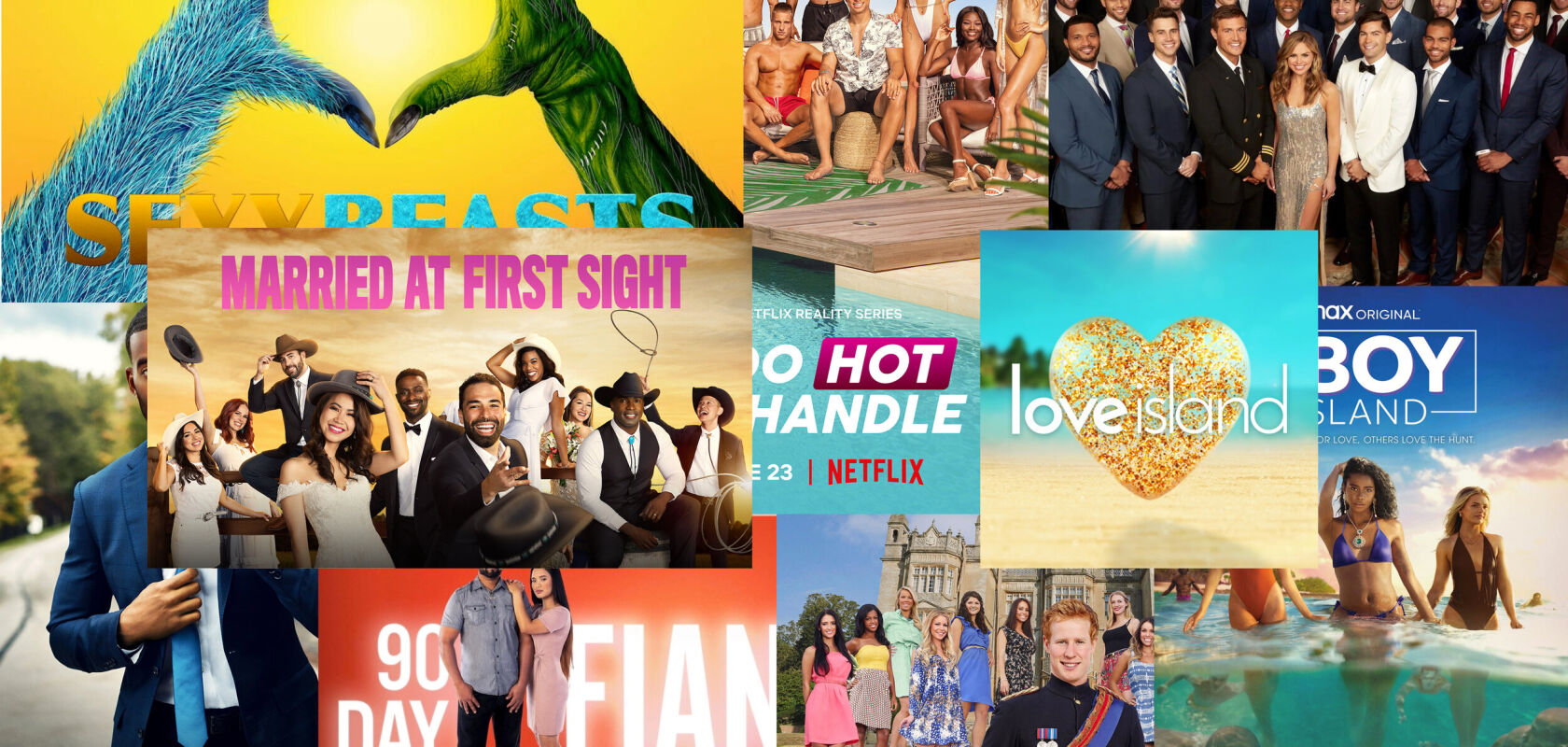
You may have indulged in watching a few good, juicy reality Tv shows, think; ‘Love Island’ ‘The Bachelor’ or ‘Married at First Sight’. We may think of these shows as just some silly entertainment to pass the time, but have you ever stopped to think about how truly damaging these shows may be to the everyday person? How what you consume can utterly change and alter your perception of real life? Reality television has become a cultural powerhouse, with popular reality TV shows dominating streaming platforms and sparking many debates on social media. These programs may position themselves as authentic portrayals of romance and intimacy, but their carefully curated editing and competition style structures often paint a distorted picture of what modern relationships look like. Reality television doesn’t just reflect modern romance it can completely distort it. With dramatised portrayals of romance that distort audience perceptions of relationships. While most shows normalise toxic relationships and unrealistic expectations, some can provide cultural conversations helping to spark debates about gender and relationships that might otherwise be overlooked. As such, reality television is a powerful cultural force that shapes and challenges how audiences understand romantic relationships.
One of the clearest ways reality television shapes audience perceptions is by promoting unrealistic expectations about romance. In popular dating shows like The Bachelor love isn’t something you fall into, its something you compete for. Many dating shows are structured as competitions framing love as something to be won rather than experienced authentically. For example, The Bachelor follows a single man dating multiple women simultaneously, the franchise focuses on what some would call “universal values” based around the idea that romantic love is the most important reason to live (Feuer, 2018). This structure positions relationships as competitive, and outcome driven, which reinforces narrow ideas of romance. Fernandez and Menon (2022) highlight this idea that contemporary life is deeply shaped by different forms of media, including television, film and social networks. With the media being responsible for the dissemination of information as well as shaping attitudes and beliefs. Within this context reality dating shows like “The Bachelor” perpetuate stereotypes of romance further encouraging couples in a competition bases as they are constantly tested with their loyalty. These production choices heighten drama but also reflect how media can show behaviours that could be seen as negative yet presents them as acceptable, ultimately turning them into social norms (Fernandez and Menon, 2022) . As a result, the show suggests to audiences that instability and manipulation are normal elements of dating. Audiences can often absorb these exaggerated behaviours through the show itself and online discourse with social media platforms that amplify narratives based around perfect couples or the villains of these programs (Collins, 2008). With this, reality TV works by constructing the illusion that everyday people can achieve fame, while simultaneously enticing audiences with the enjoyment of watching moments unfold on TV (Collins, 2008). This idea helps explain why such exaggerated portrayals gain traction beyond the screen. Overall reality TV shapes audience perceptions of romantic relationships by presenting competition and instability as normal, reinforcing unrealistic expectations that distort how viewers understand love in their own lives.
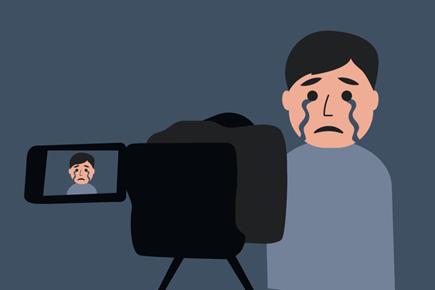

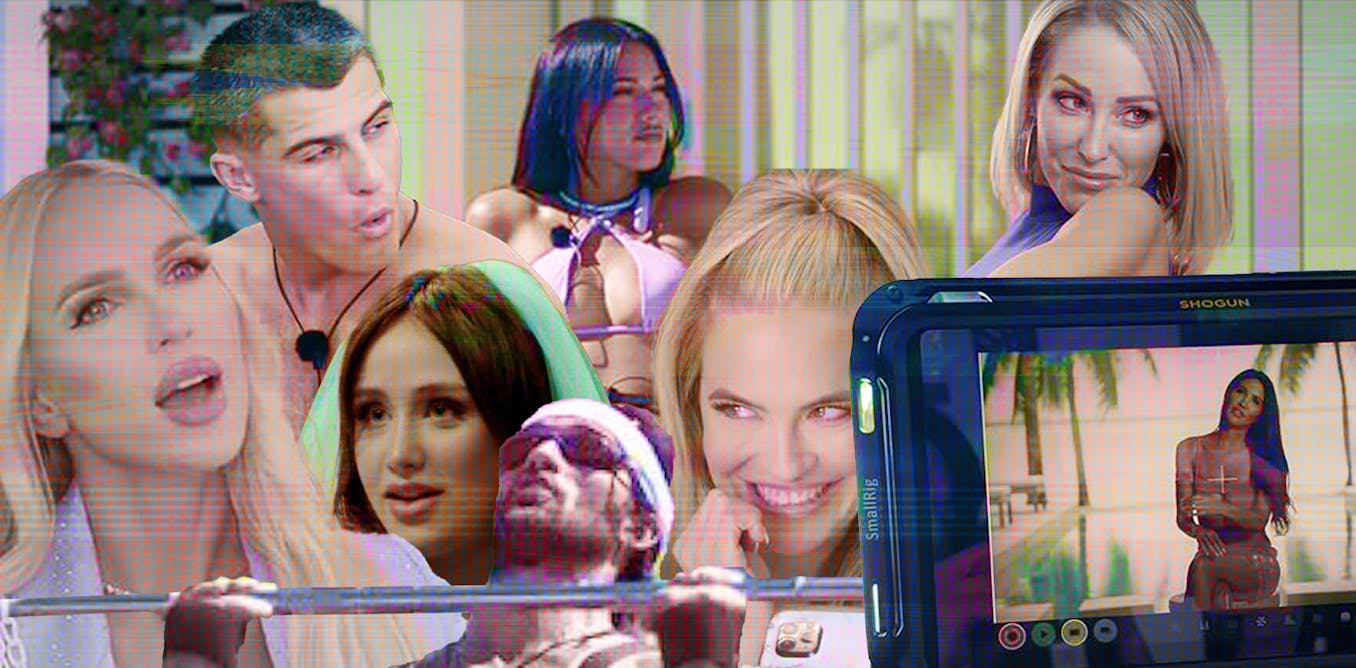
A more concerning influence of reality television is its tendency to normalise toxic relationship behaviours such as betrayal, manipulation, and emotional aggression. Viewers become accustomed to seeing contestants cheat or deliberately sabotage rivals these behaviours often rewarded with airtime and public attention. While reality television has the potential to act as a teaching tool, it often imparts harmful lessons as the portrayal of jealousy and manipulation as entertainment can lead audiences to perceive such behaviours as normal aspects of relationships (Radu, 2024). Entertainment is a main reason for watching reality TV, producers facing poor ratings often resort to artificially heightening drama manipulating footage to reframe events with the hopes to boost ratings (Deller, 2019). This heightened production approach creates uncertainty around the authenticity of what viewers see and may mislead audiences about how social interactions and relationships function in real life (Radu, 2024). Exposure to toxic media content can subconsciously normalise toxic behaviours and lead audiences to adopt similar attitudes and actions in their own lives, often without being aware of what the influence of these actions are (Darna, 2024). This blurred boundary between reality and performance complicates how viewers assess the acceptability of toxic relational patterns. When toxicity is consistently rewarded with attention and screen time, audiences risk interpreting unhealthy relationships as both common and entertaining. As discussed in the article The Men on Love Island are trash the performance of toxic masculinity on screen isn’t accidental but amplified for entertainment value. Similarly, Stop Looking at the Cameras explores how the presence of constant filming transforms human interaction into a performance, this further blurs the lines between genuine and performative behavior. Overall, this complicates how viewers asses the acceptability of toxic relationship patterns when toxicity is consistently rewarded with attention and screen time audiences can risk interpreting unhealthy relationships as common and entertaining.
Beyond relationship behaviours, reality television also reinforces unattainable standards of beauty and desirability. Contestants on dating shows are usually conventionally attractive fitting into narrow beauty ideals. Such casting can send a message to viewers that to be desirable in romance, one must also conform to these physical standards. Moore (2022) points out that many reality TV shows, despite appearing to cast a wide range of individuals, still rely on tokenism and limited representation. Highlighting that rather than showcasing genuine diversity, most reality TV seasons are dominated by white contestants with inclusion of minority groups often limited to token representation, such as a single Black man or woman or one LGBTQ+. This can be seen in shows like “Big Brother” this imbalance restricts the kinds of narratives that audiences see, while simultaneously reinforcing a hierarchy in which minority contestants are “eliminated before the Jury Phase even begins” Moore (2022) . Such casting decisions can diminish authentic diversity and also pressure viewers to compare themselves to idealised versions of contestants who largely reflect heteronormative and affluent ideals. Social media intensifies this impact because many reality TV contestants transition into influencers, profiting from their appearance and curated lifestyles. TikTok now functions as a major platform for shaping identity and sharing emotional narratives, where harmful relationship behaviours are not simply shown but are often reframed to appear appealing or relatable (Farid, 2025). In this space, behaviours traditionally seen as warning sign such as jealousy and emotional dependence are increasingly reframed through narrative devices as symbols of intense passion, ultimately presented as proof of “true love” (Farid, 2025). Thus, the impact of reality television on audience perceptions extends beyond the screen and into everyday online consumption.
While reality television undeniably perpetuates harmful relationship norms, it also sparks meaningful cultural conversations that can broaden public discourse. Debates about gender roles, consent, and emotional labour frequently emerge in response to dramatic or controversial moments on reality dating shows. Reality television often mirrors society by exposing its problems and ongoing debates, and when audiences call out toxic behaviours such as manipulation they contribute to cultural conversations that might not otherwise happen (Radu, 2024). Social media can act as a catalyst for reflection, encouraging audiences to question what healthy relationships should look like. Toxic cinematic elements can subtly influence audiences and allows viewers to analyse and interpret media more critically, enabling them to challenge and push back against the normalisation of damaging representations (Darna, 2024). Similarly, Farid (2025) demonstrates how TikTok can act as a cultural space where reality TV Inspired tropes of toxic relationships are openly debated, allowing audiences to question narratives of love. What might once have been dismissed as “red flags “such as jealousy are now “stitched into a tapestry of passionate storytelling” and recirculated online. While this often reframes harmful behaviours as desirable, it also sparks widespread cultural conversations as users critique or challenge these portrayals. When audiences engage with this type of media, they influence how young people understand relationships and emotional expectations (Farid, 2025) .
These debates don’t just live in academic circles, they’re happening on TikTok too. Women across the platform are calling out the toxic messages behind reality dating shows, unpacking how these programs distort real intimacy and inclusion.
CLICK HERE >https://vt.tiktok.com/ZSUx2Mj4V
CLICK HERE >https://vt.tiktok.com/ZSUx2CWbe
CLICK HERE >https://vt.tiktok.com/ZSUx2ttK9
If the toxic on-screen relationships weren’t bad enough, there are even YouTube countdowns ranking the “worst” couples from an already terrible lineup. When viewers see this behaviour every day, it’s no wonder toxicity starts to feel normal.
Top 10 Most Toxic Reality TV Couples
Reality television shapes audience perceptions of romantic relationships by amplifying exaggerated and dramatised portrayals of love that rarely reflect reality. Through competitive structures and toxic behaviours these shows often distort how viewers understand intimacy. At the same time, reality television’s widespread influence extends into online spaces, where social media magnifies both harmful stereotypes and opportunities for critique. While much of its impact reinforces unrealistic expectations, these programs also provoke cultural conversations about gender, consent, and the boundaries of healthy relationships that may otherwise remain overlooked. In many ways, reality TV acts as a mirror of everyday life reflecting society’s cultural obsessions and revealing how, as consumers, we subconsciously absorb and imitate the behaviors we see on screen. These shows thrive on emotional chaos and feed into audiences idealized fantasies of passion and romance but package it as ‘authentic’ or ‘real’. But beneath the romanticized drama is the raw and exposed ways of society, in how we crave connection and validation in everyday occurrences. Ultimately, reality television functions as something that distorts perceptions of romance while simultaneously sparking dialogue that challenges audiences to reflect critically on love in modern society. So, the next time you find yourself drawn into the drama of reality TV, consider whether you’re unconsciously mirroring the very toxic behaviors it portrays.
#RealityTV #DatingShows #LoveOnScreen #MediaCulture #TVandSociety #PopCultureAnalysis #MediaCritique #ScreenCulture #ModernLove #ToxicRelationships #RelationshipNorms #LoveAndMedia #HealthyRelationships #UnrealisticExpectations #RomanceReframed #CulturalStudies #MediaLiteracy #CriticalThinking #SociologyOfMedia #FeministMediaAnalysis #DigitalCulture #GenderRepresentation #TikTokCulture #OnlineConversations #SocialMediaDebate #DigitalFeminism #TikTokAnalysis #ViralCritique #InfluenceOfMedia #ThinkPiece #CulturalCommentary #MediaMatters #WatchCritically #ConsciousConsumption #ReflectionsOnLove
References
Collins, S. (2008). Making the most out of 15 minutes: Reality TV’s dispensable celebrity. Television & New Media, 9(2), 87–110. https://doi.org/10.1177/1527476407313814
Darna, O. S. U. (2024). The subconscious influence of toxic cinema content on young adult’s behaviour and the significance of static toxicity warnings during exposure to toxic media content. ResearchGate. https://www.researchgate.net/publication/doi
Deller, R. A. (2019). How reality TV changed the world. In Reality television: The television phenomenon that changed the world. Emerald. https://www.emerald.com/books/monograph/10565/chapter/80129265/How-Reality-TV-Changed-the-World
Farid, A. S. (2025). Toxic relationship representation and the shifting meaning of love in TikTok popular culture. Feedback International Journal of Communication, 2(2), 133–143. https://ejournal.agungmediapublisher.com/index.php/fijc/article/view/189
Feuer, J. (2018). The making of the Bachelor Nation: Reality TV and layered identification. Critical Quarterly, 60(4). (
Fernandez, M., & Menon, M. (2022). Media influences on gender stereotypes. IAHRW International Journal of Social Sciences Review, 10(2), 121–125. https://www.proquest.com/docview/2696515328
Moore, M. (2022). Diversity casting within reality TV competitions. Ursinus College, Media and Communication Studies Summer Fellows. https://digitalcommons.ursinus.edu/cgi/viewcontent.cgi?article=1038&context=media_com_sum
Radu, M. B. (2024). Teaching sociology through reality TV. Journal on Empowering Teaching Excellence, 3(1). https://digitalcommons.usu.edu/cgi/viewcontent.cgi?article=1186&context=jete
 Jessie Goates
  LeighCor
  Elizabeth Harris