
The glitz and glamour of a day at the races seems enticing at first glance but lurking beyond the façade of fascinators and champagne hide the dark secrets of the Australian racing industry. As an avid horse rider myself I wanted to use this article as an opportunity to highlight the reality that the horse abuse and welfare issues that are associated with horse racing today are a direct result of the corruption inside the Australian racing industry not the racing itself.

Horses are used in many competitive disciplines around the world, showjumping, eventing, polo, cutting, you get my point. But rarely do we ever hear about horse abuse from any of these competitive disciplines and that’s because they have strict welfare policies and expectations in place. Take competitive showjumping in Australia for example, there are strict rules regarding every inch of the discipline from constant access to water and hay, the use of humane training methods, health and fitness competence, and harsh anti-doping rules, if a horse doesn’t meet these standards, they are not allowed to compete at the risk of harming its welfare. These rules are in place to ensure the horses safety and wellbeing, so why is the racing industry not held to the same standards?
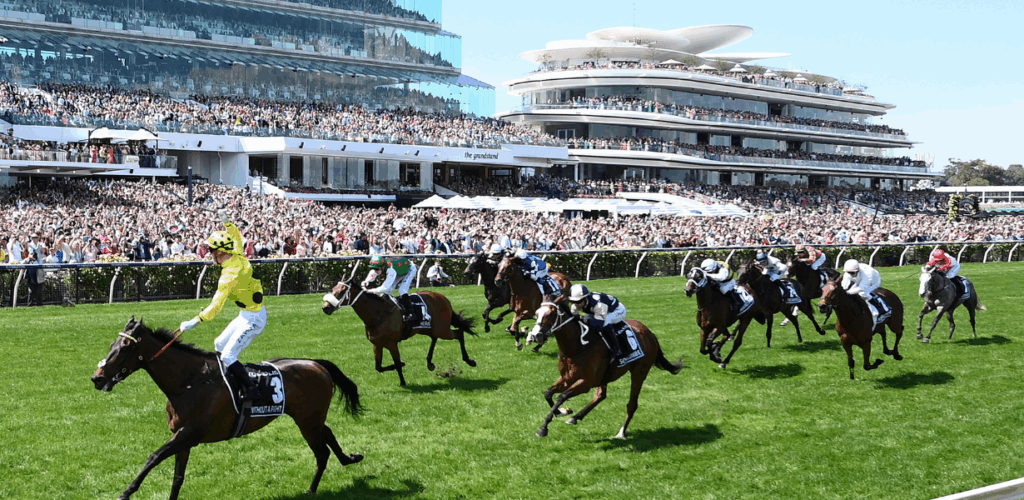
For the audience reading this who believe that going to the races is a fun and relaxing day out, here is some food for thought before diving into the rest of this article. Horses are incredibly emotionally intelligent beings and can recognise and reflect the intentions and emotions of the humans around them. It is commonly said in the horse world to get on your horse feeling calm and relaxed, this is because they will feed off and replicate your feelings, so if you get on your horse feeling tense and nervous these emotions will be reflected in their behaviour, as a horse rider I can vouch for this. Described as “emotional sponges” horses have intense sensitivity to human emotion. Often after spending time with a horse people will feel less anxious or sad this is because the horse is acting as a sponge to absorb your negative emotions and feelings. Horses are used in all types of emotional and mental therapies because of this1. These animals do in fact have their own deep thoughts, feelings and emotions just as we do, they interpret the treatment they receive just as you or I would. It is important to bear this in mind whilst reading the rest of this article.
The Australian racing industry is supported and funded largely by influential gambling and alcohol corporations as well as significant breeding organisations all of which’s interest is financial gain. The powerful support and funding has allowed the industry to become its own “governing power”, meaning the industry oversees the setting and enforcing of things like horse safety and welfare standards. Due to this corruption appalling forms of abuse and unethical practices take place, the use of inhumane and banned performance enhancing devices and substances and excessive thoroughbred breeding, result in horses being sent to abattoirs and contributes to the overflow of ex-racehorses trying to be rehomed. The industry doesn’t care to introduce new regulations to protect the horses because what they are doing right now makes them millions of dollars. It is because of this corruption and ignorance surrounding horse welfare that the Australian horse racing industry urgently needs a governing power to enforce stricter and more thorough regulations to protect the safety and wellbeing of the horses.

It is no secret that the horse racing industry is extremely beneficial to the Australian economy, whilst also considerably contributing to tourism and employment. The racing industry alone injects a whopping $9 billion into the Australian economy annually and supports over 80 000 full time industry related jobs, whereas the rest of the less gambling and alcohol funded Australian sporting industry contributes $14 billion.2 As an added benefit popular races like the Melbourne Cup attract unfathomable amounts of global tourism and interest to Australia. The industry also majorly supports rural Australian communities and local livelihoods. Not every race is as major as the Melbourne Cup, smaller local run races hosted around regional Australia encourage local tourism to our rural towns and supports our smaller economies. Australia is also widely known for producing the best thoroughbred racing horses in the world, this recognition has created a global demand for Australian bred foals. Australia is home to many globally recognised thoroughbred breeders that export horses all over the world, creating thousands of jobs related directly to the horse industry and supporting Australian businesses and smaller regional communities3. Another significant factor into what makes the racing industry so powerful and influential in Australia, are the major companies that endorse and support it, gambling networks such as TAB and Ladbrokes betting, Alcohol brands XXXX Gold and Heineken as well as some more unexpected names like Lexus and Specsavers4, all part of the long list of major corporations who support and profit off the races. These corporations that are the backbone of the industry have become the influences who have the power to dictate regulations around horse welfare and safety. The Australian racing industry is not regulated by the government or any higher power for that matter, instead each state participating in the racing industry can administer and enforces their own rules, this makes It difficult to establish a set standard of horse welfare practices5. Looking at the economic and societal benefits, it becomes clear just how easy horse welfare and safety regulations can be put on the back burner; money is being made so why change a thing seems to be the attitude. The racing industry won’t lose money by introducing more regulated welfare and safety measures for the horses, it’s just pure neglect and laziness from the industry not to give these horses the welfare and security they deserve.

We will now look at the inhumane practices and welfare concerns that frequently take place as a side effect of the industry corruption. I’m going to call it what it is and that is abuse, no animal deserves it, especially not for human entertainment. I will put a warning here, some of the content in the next paragraphs may be distressing.
Whips and tongue ties are the most common equipment used while racing, both are deemed legal to use by the racing industry. In a race setting jockeys use whips which is a common practice across most equestrian disciplines, except racing whips are not your average riding whip/crop. A racing whip is short and thick with padding and looks almost like a baton, whereas a riding crop is long, thin, light and flexible. Racing whips are used as a fear tactic in attempt to push horses to their absolute limit whilst racing, inflicting stress and pain from being hit repeatedly. It is inhumane to repeatedly strike a horse with the intention to instil push them past their physical limit.
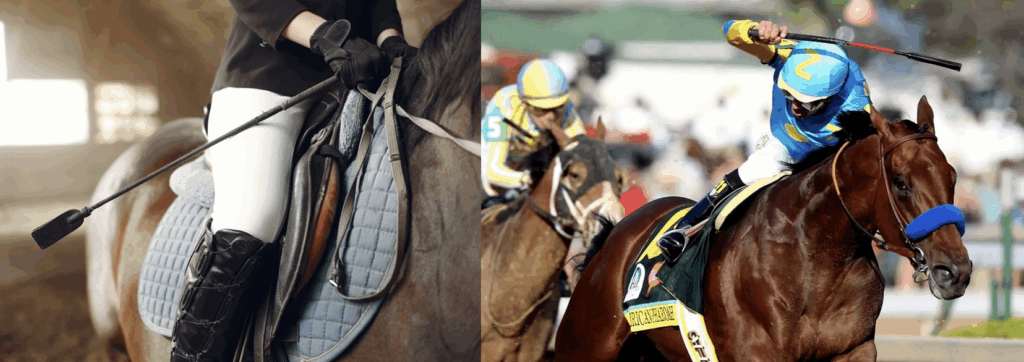
It’s obvious when a jockey is using a whip, a tongue tie however is not as noticeable. A Tongue Tie is a thick elastic band that is tied around a horse’s tongue and then around their lower jaw to prevent a horse from putting their tongue over their bit limiting responsiveness to the bridle or maybe obstructing their airway whilst racing. It is supposed to improve performance but a horse attempting to put their tongue over their bit is them trying to relieve pressure in their mouth, a Tongue Tie forces a horse into discomfort, stress and in positions to injure their mouth. Keep in mind a Tongue Tie is not needed in other riding disciplines.
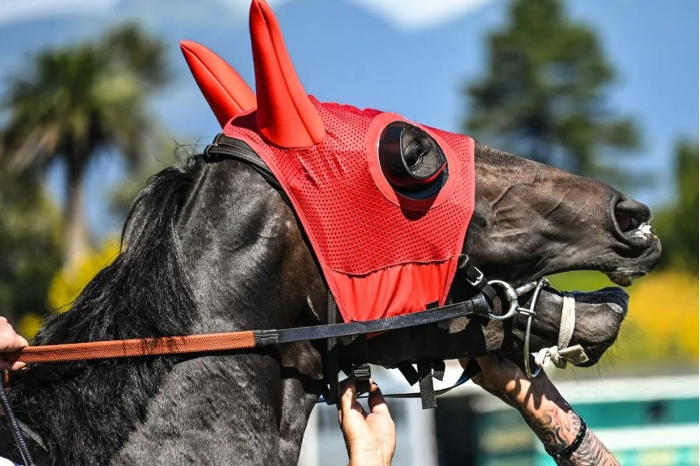
The following performance enhancing methods are illegal in Australian racing but due to the lack of regulation enforcement it frequently occurs. A Jigger is an electrical shock device, it’s not hard to guess what it does but essentially it delivers an electrical shock to the horse’s skin. A Jigger is used to force a horse to run faster whilst training, instilling fear into the horse as they anticipate the shock during a race. A recent video emerged in September 2025 exposing Darren Weir, a now banned trainer using a Jigger on multiple horses being galloped on a treadmill. This is a prime example of the blatant disregard of a horse’s wellbeing and safety to achieve favourable results. Using a jigger is recognised as animal abuse by the racing industry and is considered illegal, yet they are used frequently at racing stables, usually not caught on camera like this but provides an insight into the goings on behind closed doors. It is barbaric to use such a device on a harmless animal.

Racing industry Doping is the illegal practice of drugging a horse with performance altering drugs, in order to conceal pain, sickness or to improve/depress a performance for favourable results. An article recently surfaced highlighting how doping is common in racing stables in Australia for training and general handling purposes, some workers claiming horses are drugged almost daily. An appalling way for a horse or any animal to live. If a supposed horse “trainer” can’t handle their horse then they should change professions, it is unheard of to drug your horse just to handle them on the ground outside of the racing industry. Using these legal and illegal training methods is abuse and pushes horses into dangerous or life-threatening situations. Broken legs, damaged tendons and ligaments are common results of horses being pushed too hard, leg injuries for a horse are fatal and 99% of the time require euthanisation. Most non-life-threatening Injuries sustained in racing causes a horse lifelong problems even after the have been re-homed. Sudden death also can occur as a result of these training methods due to heart failure or internal bleeding.6
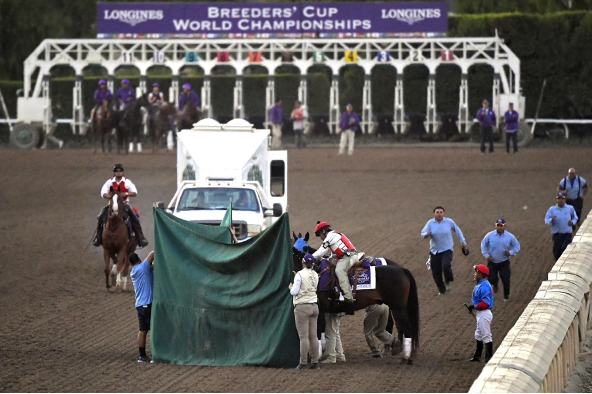
The corruption within the racing industry has caused the demand for Australian thoroughbreds to skyrocket, Australian breeders are pumping out thousands of foals a year in hopes to breed the next Winx or to sell into the demand of overseas buyers. Each year in Australia, an estimated 13 000 thoroughbred foals are bred with the intention to race, only 30% of these foals ever make it to a racetrack. Keep in mind “A racetrack” generally means the small regional races not the big races like the Melbourne Cup. The career length of racehorse is 1-3 years,7 after that they are “discarded” from the industry, where they end up after that is any bodies guess.
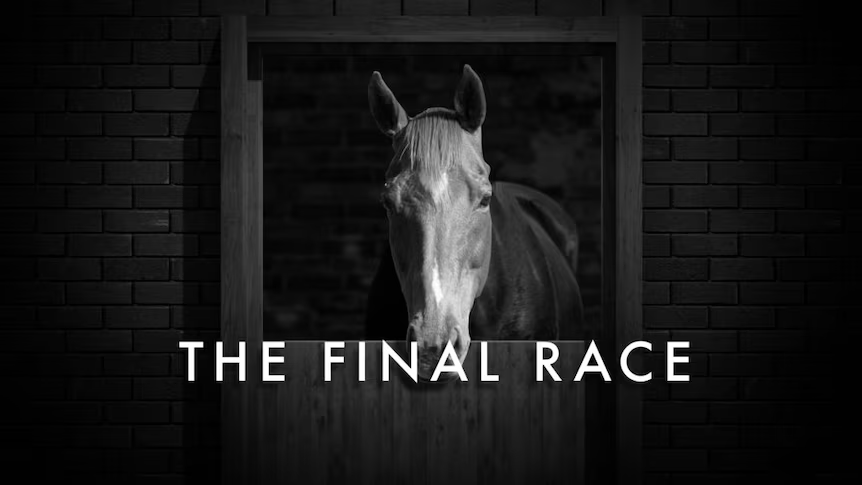
In recent years the ABC conducted an investigation into where all of these racehorses end up, with their findings they created a documentary named “The Final Race” which sheds light on the tragic reality of an ex-racehorse’s life after being discarded from the industry. The confronting documentary displays raw and incredibly upsetting footage of how these beautiful horses are abused and frightened in their final moments. The investigation revealed that once horses are discarded from racing most of them become untraceable, so no one knows if they have been safely re-homed or if they died in an abattoir. ABC caught the racing industry red handed, showing footage identifying a registered once successful racehorse standing malnourished and afraid in a kill pen, even though its status showed it had been happily re-homed. The racing industry was also exposed by their poor attempts to falsify statistics claiming that 34 retiring horses end up in abattoirs annually, the correct statistic would be 4 000 retiring horses annually. Why is the racing industry okay with as little as 34 horses being brutally killed, it should be zero. This documentary stunned Australia and brought attention to just how common and serious the mistreatment of racing horses is in Australia. It is truly unacceptable that the killing of innocent horses is allowed to happen when they have so much life ahead of them.
So, what can you do to make to take a stand against this corrupt industry?
You can host or attend a “Nup to the Cup” event which are focused on raising money for animal welfare whilst having a fun day out. You can also join the over 65 000 Australians in joining the Animals Australia pledge to stop horse abuse in and out of the racing industry. Every little thing done will create a big change for Australian racehorses.
The neglectful abuse and mistreatment of beautiful horses at the hands of the Australian racing industry must stop. The racing industry is well equipped with the resources to put an end to the abuse of horses but make a conscious effort to turn a blind eye. To make serious changes in the Australian racing industry, a strong governing power must be introduced to enforce stricter and closely monitor regulations and rules to ensure the horses in the industry are treated humanely and go on to live happy full lives after retiring. As the 2025 race season approaches, have a think if an innocent horse’s life and happiness is worth your fun of getting dressed up.
- Eagala. (2024). Types of Equine therapy.https://www.eagala.org/blog/types-of-equine-therapy/ ↩︎
- Thoroughbred breeders Australia. (2024). Business, economics and thoroughbred racing in Australia. Prime industries education foundation Australia. https://primezone.edu.au/wp-content/uploads/2024/11/4-Business-Economics-v4.pdf ↩︎
- Thoroughbred breeders Australia. (2024). Business, economics and thoroughbred racing in Australia. Prime industries education foundation Australia. https://primezone.edu.au/wp-content/uploads/2024/11/4-Business-Economics-v4.pdf ↩︎
- Horse racing kills. (2025). Tell horse racing sponsors you no longer support them. Coalition for the protection of racehorses. https://horseracingkills.com/businesses-that-sponsor-horse-abuse/ ↩︎
- McManus, P. (2019). Will public pressure bury the horse industry? The university of Sydney. https://www.sydney.edu.au/news-opinion/news/2019/11/04/will-public-pressure-bury-the-horse-racing-industry.html ↩︎
- RSPCA. (2025). What are the animal welfare issues with Thoroughbred horse racing? RSPCA Knowledge base. https://kb.rspca.org.au/knowledge-base/what-are-the-animal-welfare-issues-with-thoroughbred-horse-racing/ ↩︎
- Australian alliance for animals. (2024). Racehorses deserve a fair go. Australian alliance for animals. https://www.allianceforanimals.org.au/ourwork/racehorses-deserve-a-fair-go ↩︎
 Guan QiuYu
  REN Ren
  Tan Kane