
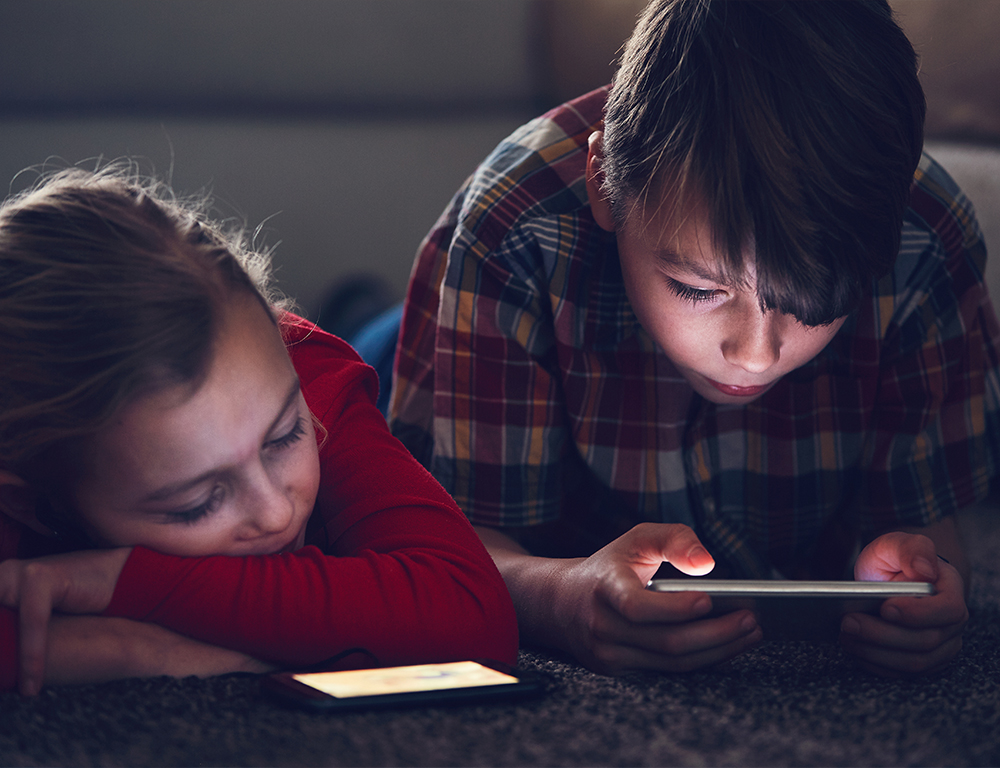
It’s hard to scroll anywhere online without seeing a TikTok video these days. What used to be an app for dance trends now becomes one of the main ways young people find out what’s going on in the world. For many of us, checking TikTok feels like part of daily life, not just for fun, but also to catch up on news and opinions.
The app has changed a lot in just a few years. People now use it to talk about politics, global conflicts, and social issues, the things you wouldn’t expect on a short video platform. TikTok has even reached three billion downloads, joining great apps like Facebook, which shows how powerful it has become.
But this change also makes me wonder: is TikTok’s short video style changing how we pay attention and understand information? On one hand, it makes learning and news easier to access. However on the other hand, it might be training us to expect everything fast, even serious topics that need more time to think about.
In this article, I’ll explore how TikTok’s short videos are reshaping attention, learning, and news consumption, and what that means for young people today.
TikTok as a News Source for Young People
TikTok has become one of the top platforms for young audiences to find news. Barsotti reports that 63% of teenagers now get their news from TikTok, while 17% of adults also rely on it regularly. This shows how short form videos have quickly turned into a serious part of the digital media landscape. Compared to older generations who mostly grew up reading newspapers or watching TV, today’s young adults scroll through a mix of entertainment and education, often in the same feed and same place to find it.
Traditional platforms like Facebook are losing influence, with news consumption dropping by four percentage points globally. Instead, more people are turning to apps like TikTok, YouTube, and WhatsApp for any kinds of updates. In fact, TikTok has now overtaken X.com (formerly Twitter,) as a more common source for news. This shift reflects how visual and fast paced content fits the habits of mobile users. Barsotti also highlights that almost 70% of people watch videos on their smartphones, showing how mobile friendly short videos dominates attention.
Bigger events such as the war in Ukraine or global climate protests spread quickly on TikTok, often through simple video explaining what is happening or viral clips. Rahayu et al. note that short videos have become a major part of the online world, offering content that is quick to absorb and encourages users to engage and interact. This is exactly why TikTok feels extremely appealing. It turns complicated issues into something quick, emotional, and easy to share. While this helps young users feel connected and informed, it also blurs the line between news and entertainment,sparking concerns about how reliable the information is.
From my own experience, I have noticed that when I learn about a trending issue on TikTok, I rarely stop to read a full article about it later. The short clips make me feel like I already know enough and everything about it, even though I only saw a 30 second summary. This can make learning feel effortless, and easy but also oversimplified. Many young people probably do not question where the information comes from, especially if the creator looks confident or uses eye catching visuals. So even though TikTok makes news easier to reach, it can also make users feel informed without truly understanding the topic in depth.
Impact on Attention Spans and Learning
One of the biggest concerns about TikTok is how it is affecting our ability to concentrate. Watching an endless stream of short clips can make it harder to focus on longer or more complex materials. The fast pace and constant originality train our brains to seek instant satisfaction rather than patience or deep understanding. As they put it, “these platforms can lead to a decline in attention span by conditioning our brains to seek immediate gratification.”
Attention spans have dropped drastically over the past two decades, from over two minutes in 2004 to about 47 seconds today. Additionally, people who watch short form videos for just 30 minutes daily may already show signs of shorter attention spans. This means that the way we consume information, especially on apps such as TikTok, might be changing how our minds process knowledge.
Many of these changes show that media consumption today is not just about information, but also about emotion. On TikTok, attention is captured through feelings like humour, surprise, anger, or empathy, which makes viewers respond instantly rather than reflect deeply. These emotions encourage quick reactions like likes and shares, instead of critical thinking or verification. Therefore, audiences may remember how a post made them feel more than what it actually said and showed. This shift toward emotional engagement helps explain why short videos spread fast, but also why often they simplify complex topics into addicting and memorable moments.
However the problem is not just distraction. Chen et al. found that people addicted to short videos have “difficulties in maintaining attention and impaired ability of attentional concentration.” As each clip is extremely stimulating, users may struggle to focus when faced with slower, more detailed tasks, therefore, over time, this can even affect memory. Rahayu et al. (2025) explain that constant exposure to fast content can cause “cognitive overload,” which makes it harder to store information in long term memory.
When I think about my own habits, I come to notice how hard it is to sit through a 10 minute news video now. I often feel tempted to skip or scroll, even if the topic is interesting. I think this shows how short videos have changed my expectations. Instead of focusing deeply, I now look for fast answers and quick conclusions with engaging visuals. It feels satisfying in the moment, but sometimes I realize I only remember a few main points later instead of the whole story. This makes me wonder if we are slowly losing patience for learning things in depth, just because everything online is now made to be short and simple.
Problems with Algorithmic Feeds
Another major issue with TikTok is how its algorithm shapes what users see. The platform has a “For You” page that uses data to show people videos that match their interests, which sounds helpful and convenient but also limits the diversity of information that users receive. Rahayu et al. warn that these algorithms “curate content tailored to individual preferences,” which can lead to addictive behaviors and one sided perspectives. When users only see content that aligns with their opinions, they end up in a narrow content circle, where misinformation can spread easily.
This problem becomes clear when looking at how false claims about COVID 19 or elections went viral on TikTok. Because the algorithm rewards engagement, sensational or emotional videos often perform better than fact checked journalism. Kazi and Asif also found that people tend to prefer originality and immediate gratification in their social media feed, which means slow and detailed news often gets hidden under eye catching trends.
Zhang et al. point out that short video apps like TikTok and YouTube are now some of the most popular platforms globally. YouTube alone reaches 73% of American adults, while TikTok dominates among teens. This massive reach gives these platforms great power over what people see but also great responsibility. When algorithms prioritize attention over accuracy, they can shape people’s views in misleading ways and make audiences less confident in the media.
This is one of the main problems with TikTok. The app is built to keep us watching, not to make sure we learn something meaningful. If I like one video about a political topic, TikTok shows me more of the same, even if they are from biased sources. After a while, it can start to feel like everyone agrees with one point of view, which is not always true. That is why it is important for users to pause and ask whether what they see is balanced or factual, and have their own opinions. Without that awareness, it is too easy to confuse popularity with truth.
Opportunities for Journalism and Activism
Despite these challenges, TikTok also creates new opportunities for communication and activism. Many journalists, educators, and creators are using the platform to reach young audiences in creative ways. Rahayu et al. explain that short videos now include everything from “educational tutorials to cultural commentary,” showing how flexible the format can be.
Some reporters use TikTok to explain breaking news in simple language, while activists turn it into a tool for awareness. For example, during global climate strikes, young creators shared quick explaining videos and behind the scenes footage that reached millions of views. This shows how storytelling can adapt to the short video style, making serious issues more relatable, emotional and raise awareness.
As Kazi and Asif remind us, short videos are a key part of “today’s world marked by advancements and the widespread influence of digital media.”. Rather than rejecting them, educators and journalists are finding ways to combine short clips with deeper discussions. The goal is not to replace traditional media, but to meet audiences where they are, on their phones, scrolling through content that feels personal and engaging.
TikTok’s accessibility also means anyone can become a storyteller. Young users do not need a newsroom or a big budget to share their opinions. Giving everyone a voice online can be powerful, but it works best when users know how to fact check and think critically. From my point of view, the most exciting part about this is how it gives young voices a platform. When people my age talk about issues like climate change or inequality, they are not just sharing opinions, they are shaping conversations in ways older media might not allow. The challenge is making sure those voices are informed and responsible.
Conclusion
TikTok has completely transformed how young people pay attention and consume news. Its short form videos make information fast, visual, and entertaining, helping audiences stay engaged with global issues. At the same time, this format brings serious challenges. Constantly watching short clips can weaken attention spans, promote addictive behaviors, and make it easier for misinformation to spread through personalized feeds.
But instead of seeing TikTok as purely harmful, it might be useful to view it as a powerful tool that needs guidance. Teachers, journalists, and content creators all play a role in helping audiences use the platform wisely. The real challenge is finding balance, using TikTok’s creativity and reach without losing depth, accuracy, or focus. In this new short video world, attention has become one of the most valuable resources, and learning how to protect it might be the key to consuming news more meaningfully.
https://doi.org/10.21275/sr24428105200
https://doi.org/10.1080/0144929x.2022.2151512
https://doi.org/10.1109/isitia66279.2025.11137476
https://sensortower.com/blog/tiktok-downloads-3-billion
https://doi.org/10.1016/j.chb.2023.107752
https://reutersinstitute.politics.ox.ac.uk/digital-news-report/2025/dnr-executive-summary
 Guan QiuYu
  REN Ren
  Tan Kane