
Buy now, Pay Later (BNPL) services seem as if they are the perfect fix for modern spending: they are flexible, interest-free and just a simple few taps away. BNPL is offered in apps such Afterpay, ZIP, and Klarna have become a staple in both online and in store retail checkouts. The platforms allows users to split their payments into smaller instalments with no extra fees or costs if they are able to pay on time. The ABC reports that more than 60 per cent of BNPL are under 35 and are drawn to the “interest free” marketing and the instant gratification of easy purchasing power. (Nichols, 2023) On the other hand ASIC reports that missed repayments continuing growing which is increasing leading to quiet financial strain. (Commission, 2020)
The rise of these services represents a cultural shift toward what some call “untroubled credit” where the debt is almost invisible. Supporters of the platforms celebrate the accessibility and budgeting control while critics warn it is normalising overspending and is bypassing consumer laws and protections. BNPL services present particular risk for younger Australians as they are in need of stronger regulation and improved financial literacy. Without these safeguards the convenience of BNPL offers risks of becoming a debt trap, without the thought of benefits. The ease of online shopping is at detriment to younger Australians as social media can allow consumers to continue shopping easily, especially with the “reward” of paying later. Social media hooks consumers, especially young Australians to thousands of products instantly, with ads for items in between each post, and sometimes those they follow will be promoting a product that consumers may not be aware off. It’s easy to follow links to these products without BNPL a high price tag for a “must have” item they have just found can be justified as they don’t need to spend that sum in one go “it can be paid later” Now later is not considered further and for some consumers they don’t realise they have incurred debt to be paid. Thus, creating the debt trap issue thanks to the ease of online spending and BNPL.
For many users, BNPL services provides a disguise of user control and flexibility in an expensive economy. The New South Wales Council of Social Services (NCOSS, 2021) discovered that many young people described BNPL as “Empowering” allowing them to manage their money between pay checks and to afford items they otherwise could not.
BNPL does not require a lengthy approval process unlike the traditional credit card, this is what the Reserve Bank of Australia discusses in what they describe as “instant access to deferred payment arrangements” (Fisher et al., 2021) For young Australians with limited credit history this ease and accessibility feels liberating.
A major attraction in BNPL is its seemingly easy cost control. The Reserve Bank of Australia stated that users liked the clear repayment schedules and reminders, which creates the idea of transparency and ease of use without compounding interest, because most providers charge only fixed late-payment fees rather than ongoing interest, many consumers view BNPL as a budgeting tool rather than a form of debt. (Fisher et al., 2021)
Retailers also benefit from offering the platform as according to the Reserve Bank of Australia discusses that these retailers experience higher conversion rates and increased sale items and purchases, therefore further embedding the platform into everyday process. (Fisher et al., 2021) BNPL is thought to be smart spending and is a digital equivalent of lay-by, but it is faster and interest free. (Fisher et al., 2021) Supporters claim that BNPL modernises consumer finance for a tech-savvy generation while also promoting short term affordability.
The features that make BNPL so attractive like ease of use, speed and invisibility are also exactly what makes it dangerous. (ASIC, 2020) found that one in five BNPL customers has missed their repayments, and half of those had cut back on essential everyday items like food or rent to meet said repayments. People with multiple accounts with different BNPL providers fall into uncontrollable debt accumulation they were seemingly unaware of. Unlike credit cards, BNPL platforms are not part of the National Consumer Credit Protection Act 2009, meaning providers do not need to perform affordability checks or offer hardship assistance. (Consumer Action Law Centre et al, 2022)
The regulatory gap allows BNPL platforms to operate under weaker standards while engaging in lending behaviour. (Gelbart, 2022) BNPL is argued to be “credit in everything but name” and is urged to be regulated by the government much like other loan products, as according to Financial Counselling Australia. (Gelbart, 2022) The gap in regulation is growing increasingly visible as an example of a young woman on youth allowance was able to accumulate more than $8000 in BNPL debt across several apps, which is a clear indication of how frictionless spending can escalate. (Nichols, 2023)
Critics also are aware of cultural drivers, such as BNPL marketing on overconsumption of fashion, beauty, and lifestyle as need based purchases when they are impulse purchases in disguise. (Consumer Action Law Centre et al, 2022) Further the Consumer Action Law centre highlights the frequent downplay of debt, using the multiple instalment plans as lifestyle enhancers from BNPL marketing. (Consumer Action Law Centre et al, 2022) While providers are claiming transparency the cost of this convenience lies in the missed payments, the late fees that come amount quickly and can deeply affect low income users. (Consumer Action Law Centre et al, 2022) Thus, critics believe that BNPL has reinvented the credit trap.
BNPL in itself is not a horrible system however the issues with the platforms lie in how they mix the ability to purchase needs and necessities with the psychology of impulse spending. For young Australians that have been raised in a world run by digital marketplaces, BNPL has become less of a financial tool and more of a way of life. Doom scrolling through online stores, a “Pay in four instalments” button feels as normal as adding your final item into you shopping cart. The ease of use has trained consumers to the readiness and easiness of borrowing when it is not inherently needed.
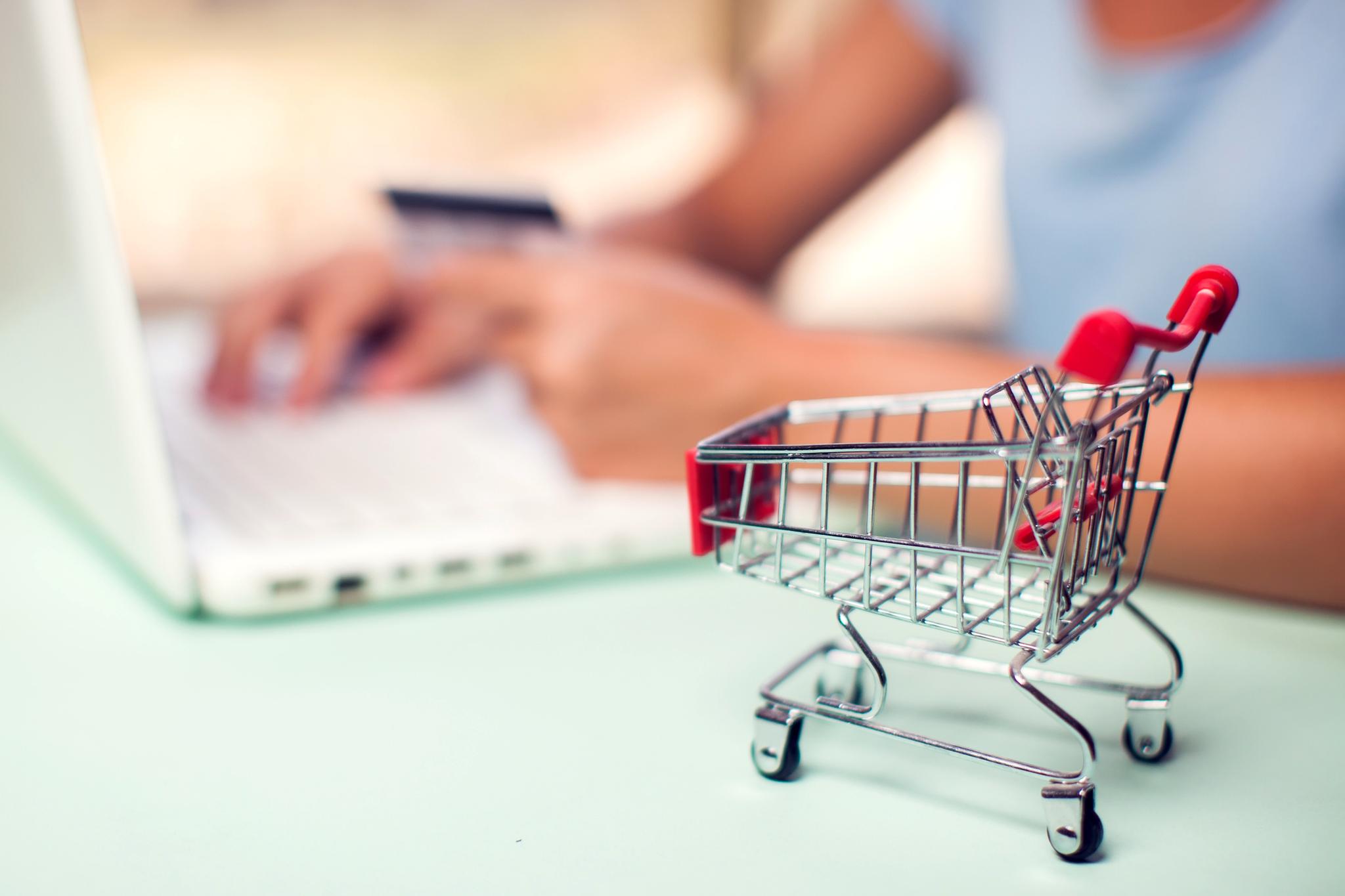
BNPL thrives in a culture with “instant gratification”. Young consumers relate BNPL with self-expression and independence, having their purchases become personal identity. (NCOSS, 2021) Campaigns such as Afterpay Day or Klarna’s Shop Now events make it seem that spending is also empowerment, however, this empowerment hides the underlying issue of dependency. Instant approval and easy onboarding remove the normal pauses for evaluation of if the item is really a necessity. For a lot of users that are unfamiliar with credit management, this makes short term debt seem harmless. In terms of the border social context, rapid trend cycles on social medias such as TikTok or Instagram reinforce this pattern. BNPL is made to complement digital retail ecosystems which relies on the customers gaining instant gratification. (Fisher et al., 2021) Therefore, BNPL has become so intwined in the younger generations culture, it almost matches the relevance and dependencies of social media.
Many users of BNPL are not viewing their payments as debt at all. (ASIC, 2020) Furthermore ASIC has reported that 40% of customers are unaware of how the debt could affect their future financial credit history. Without disclosure of these debts providers are benefiting from this misunderstanding. (ASIC, 2020) The current industry self regulation is unable to ensure there is informed consent, leaving consumers vulnerable. (Consumer Action Law Centre et al, 2022) Financial programs are needed to update to address the realities of digital credit, Schools, universities, and employers could collaborate with these financial educators to ensure these concepts are addressed and for users to be aware of what they are involved in. (ASIC, 2020) Government campaign and address could directly target the lack of knowledge by users to ensure that users are not only empowered by what they think is frictionless debt but through knowledge. (Gelbart, 2022)
For BNPL to be able to operate responsibly they must be recognised as credit. Having BNPL as part of the National Credit Code would mean responsible lending obligations and hardship protections were enforced. As per Financial Counselling Australia (Gelbart, 2022)
“Equal service should mean equal standards” depicting that regulation would not stop the constant innovation but would actually build and strengthen consumer trust, while simultaneously benefiting its consumers. Even though some companies have their own voluntary codes of practice (Consumer Action Law Centre et al. 2022) have noted that these codes lack the correct enforceability, and the proper legal strength required to be responsible. (Consumer Action Law Centre, 2022) Responsible regulation is the only way a balance between profit driven design and consumer protection can be addressed.
Affordability reminders, debt trackers, and healthy spending habits should be reworked into the app design of these BNPL platforms to ensure that users are aware however this should be done without compromising its accessibility. The transparency in tech interfaces improves repayment behaviours, as it integrates savings and budget features within BNPL apps and will further encourage responsible usage. (Fisher et al., 2021) BNPL providers should be in collaboration with consumer protection agencies to evaluate how their app design can affect users’ decision making. The same ways social media platforms are under pressure for the way they effect mental health of users. BNPL should be making conscious effort of their ethical design and have standards for financial wellbeing impact.
BNPL can become a healthy platform encouraging better spending habits if reframed as a tool not a lifestyle. If users were encouraged to think “Do I need this now?” instead of “I will pay it later” There could be debt to income ratios or affordability outlines within the apps to assist both psychology spending and financial understanding. Youth Action NSW discuss that when BNPL use is guided by said thinking patterns it will support financial planning. Positive credit reporting could be responsible if BNPL were to implement rewarding users for on-time payments. There could be a shift allowing for active financial control and no more mass consumerism, this will require effort from both governments, BNPL platforms, and educators. (NCOSS,2021)
BNPL has reshaped how young Australians spend their money, mixing convenience with “invisible” credit. It highlights a generation that values instant access over financial planning and waiting. For some, BNPL offers short-term help during a cost-of-living crisis. For others, it silently compounds their debt increasing their anxiety.
The solution lies in balance. BNPL must be recognised as credit by both law and education, ensuring users understand that terms and conditions before they tap ‘Confirm Purchase”. Regulations should be put in place that reflects both provider accountability and user awareness. With stronger safeguards, a more transparent design and a cultural adaptation, BNPL could remain a helpful tool, one that empowers and assists rather than corrupts and traps. BNPLs future is dependent on whether Australia chooses to see it for what it is, credit that demands more responsibility and responsible innovation. “The promise of convenience should never come at the cost of protection.” (Gelbart, 2022)
 Guan QiuYu
  REN Ren
  Tan Kane